


 Claim Ownership
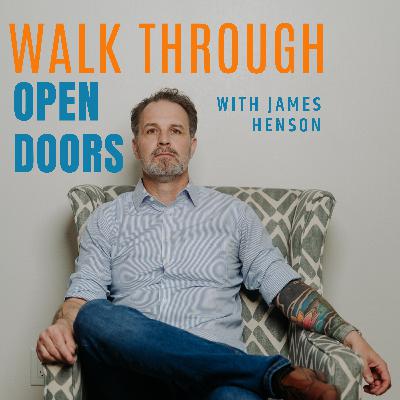
Walk Through Open Doors with James Henson
Subscribed: 18Played: 124
Subscribe

© James Henson
Description
Walk Through Open Doors is a podcast about recognizing real opportunities, making better decisions, and moving through life with clarity and purpose.
James is a former therapist turned executive coach. Each episode is grounded in the belief that good things happen when we pay attention, take ownership, and act on what matters.
Topics range from leadership and mindset to resilience, identity, and the small shifts that create lasting change.
This isn’t about hustle. It’s about doing the work that works, and learning to walk through the doors that are already open.
James is a former therapist turned executive coach. Each episode is grounded in the belief that good things happen when we pay attention, take ownership, and act on what matters.
Topics range from leadership and mindset to resilience, identity, and the small shifts that create lasting change.
This isn’t about hustle. It’s about doing the work that works, and learning to walk through the doors that are already open.
96 Episodes
Reverse

Okay, time to wrap up the series on being the main character by talking about three ways we can chip away at the idea of our own importance:
1. Learn to meditate
2. Invest in other people
3. Understand that you will die
I know that a lot of this might seem disempowering or morbid, but there is freedom in recognizing that nothing revolves around you. I promise.
This is an audio version of an old video that I created specifically for an issue of my newsletter.
It’s about 4 things we can always be grateful for:
1) There is something instead of nothing.
2) This something is stable.
3) We have a consciousness with which to experience this stable something.
4) We have a say in how this consciousness relates to the stable something.
I was sick when I recorded it, please excuse the difficulty breathing you hear from time to time.
If we pay attention, we can see that life is constantly giving us feedback about our behavior. We cannot hear this feedback if we are too busy being the main character, and this will bring us constant trouble.
Simple ways to tell if you are the main character.
Quick spoiler: you're not.
I used to think I was the main character. Now I know I’m not.
There’s freedom in ordinariness.

Having a morning routine is one of the simplest ways we can improve our lives. I really found that how I start the morning is how my day goes. I wouldn't trade it for anything.
I’m doing a class called Surviving Social Media for ClassRT on Tuesday, June 28th at 7pm CST. You can check it out here.
_______________________
This episode is meant to be supplemented with the Simple Ways to Have a Good Life newsletter. It goes out every Tuesday morning and is full of things intended to help you live your best life, all for free. Sign up here, unsubscribe without any hassle. I don’t share names or email addresses with anyone.
People ask me often enough what kinds of things I'm working on personally and what kinds of things I struggle with that I figured I'd just do an episode about it.
The first two things I'm working on were pretty easy for me to identify: I'm always working on being more gentle and on being more social. I'm not really good at either of these things, but I know they are good for me so I'm doing my best.
I think we all have things we need to be working on. It's scary to me that there's this narrative in the world that you are fine the way you are.
I get it, a lot of the things we need to work on are not necessarily our fault. The things I like least about myself make a lot of sense when you look at my life, but that doesn't mean that I'm OK with them and that doesn't mean that I don’t have to sort them out.
A lot of the things that happen to you are probably not your fault, but what you do with them is your responsibility. It's not compassionate to tell somebody that behaviors and choices that are bringing them harm or are harming other people are OK. It’s not everyone else’s responsibility to get on board with your bullshit behavior.
So, in that spirit, this is a podcast talking about me and my bullshit behavior.
We all feel this strange obligation to watch the news so that we can be informed and know what's going on. The problem is that watching the news often leads to anxiety and worry, and we may not even be as informed as we think we are in the process. This episode explores the idea of turning off the news and what that might do for us.
_______________________
This episode is meant to be supplemented with the Simple Ways to Have a Good Life newsletter. It goes out every Tuesday morning and is full of things intended to help you live your best life, all for free. Sign up here, unsubscribe without any hassle. I don’t share names or email addresses with anyone.
Here's a more accurate title:
“Care less about all the things that you don't have control over or that you aren’t really interested in so that you can put your time and energy into the things you can control and the things you do care about.”
It's a little clunky.
Everybody expects us to care about what they care about. They expect their passions and interests to be our passions and interests. It's OK to say that you don't really care about something. It's OK not to put your time and energy into things that don't matter to you or where you cannot make a difference.
This week’s simple way to have a good life is to say “thanks for sharing”. Our brains are amazing, but they are also weird as hell. We think negative things about ourselves, we get caught up in arguments and debates inside our own heads, and we get scared about future events that we made up. When we think about these things, we are giving them attention. When we argue with these things, we are giving them attention. Learning to thank them for sharing and moving on is almost magical in how well it works.
_______________________
This episode is meant to be supplemented with the Simple Ways to Have a Good Life newsletter. It goes out every Tuesday morning and is full of things intended to help you live your best life, all for free. Sign up here, unsubscribe without any hassle. I don’t share names or email addresses with anyone.
This week’s simple way to have a good life is to remember that you are human.
This is the first episode in a series about getting back to basics. We have a super cool brain, and we like to use it. This often leads us to overcomplicate things and forget about some simple things that have a big impact on how we feel:
Eating
Sleeping
Drinking water
Moving our bodies
Going outside
Being social
Contributing
2018 was the start of a tough few years for me. I neglected these basic human necessities, and I paid a price for it. I talk about this and more in this episode.
This is the first episode in what I am hoping is a series of positive changes for the podcast and newsletter. I’m excited about this. It’s a complete re-brand and re-vamp of the newsletter and podcast, and I think it’s going to be better for everyone who reads and listens.
The podcast will be weekly from now on, going out every Monday morning. It will work with the newsletter to provide a deeper dive into whatever topic we are discussing that week.
_______________________
This episode is meant to be supplemented with the Simple Ways to Have a Good Life newsletter. It goes out every Tuesday morning and is full of things intended to help you live your best life, all for free. Sign up here, unsubscribe without any hassle. I don’t share names or email addresses with anyone.
What’s actually holding you back?After 20 years of working with people, I’ve seen the same core issues keep showing up—and I’ve lived many of them myself. In this video, I walk through 10 things that keep people stuck. These aren’t vague ideas or motivational fluff. They’re specific, real, and hard to ignore once you see them.If you feel like you’re not where you want to be, this is for you.Key Takeaways:Why most people miss the immediate opportunities around themHow your emotions can sabotage long-term decisionsThe difference between fault and responsibilityWhy digital distractions are quietly wrecking livesHow friendly curiosity and gratitude shift everythingWhat a victim mindset really costs youThe power of foundational thinking and real boundariesThis is not judgment. It’s a call to clarity.Watch the full video and ask yourself:What’s the one thing here I’m ready to stop letting hold me back?#selfimprovement #personalgrowth #executivecoach #mindsetshift #stopholdingyourselfback #clarity #accountability #digitaldetox #ownershipmindset #gratitude #boundaries
In this episode of Walk Through Open Doors, James Henson welcomes his first guest, Dr. Jenny Hughes, founder of the Brave Trauma Therapist Collective. This isn’t just a conversation. It is a lifeline for therapists, counselors, and anyone in a helping profession.Jenny breaks down the key differences between vicarious trauma and secondary traumatic stress. She explains why so many therapists unknowingly carry the weight of the work they do. From the neuroscience of empathy and stress to the hidden costs of unresolved trauma exposure, this episode explores the reality of caregiving and how helpers can help themselves.We also cover:• Why the brain struggles to distinguish real threats from stories we hear• How true crime and unresolved therapy sessions affect us differently• Why so many therapists are burning out silently, and what to do about it• What vicarious resilience is and how it can be a source of energy and meaning• The power of community, vulnerability, and connection for those who support othersDr. Hughes shares how the Brave Collective gives trauma therapists a space to be human. It is a place to connect, vent, ask hard questions, and receive support. No shame. No pretense. No pressure to perform. If you’re a therapist, counselor, social worker, or simply someone who supports others, this is a must-listen.Join Brave:🌐 https://braveproviders.com/braveConnect with Dr. Jenny Hughes:📸 Instagram: @braveproviders📬 Email or DM her with questions. She welcomes conversation.If You Know a Therapist:Please share this episode. This is a difficult time for helping professionals. Let’s take care of those who take care of others.About JennyJenny Hughes, PhD is a licensed clinical psychologist specializing in trauma and PTSD. She supports helpers and healers through the common experience of vicarious trauma as the founder of The BRAVE Trauma Therapist Collective. Jenny helps trauma therapists be human again as they learn how to manage vicarious trauma and enhance vicarious resilience together. As a clinician, she practices Brainspotting, EMDR, and Cognitive Processing Therapy. Jenny is the author of The PTSD Recovery Workbook and Triggers to Glimmers: A Vicarious Resilience Journal and Workbook.
Struggling to Make Time for Your Goals? Start Tracking It. ⏰In this video, James dives into one of the most critical factors that can make or break your progress: time management. You've heard about goal killers, and today we're tackling the core issue — how effectively you're managing your time. If you want to achieve the things you’ve been dreaming about, understanding where your time goes is crucial.James shares his personal insights on:The importance of time tracking and doing a time audit (you’ll be shocked by how much time you’re losing)Why multitasking is a myth and how focusing on one task at a time leads to better resultsHow delegating and automating tasks can free up mental and emotional space for more meaningful workThe power of planning and setting boundaries to protect your timeWhy saying no is essential to achieving your goals without burnoutGet ready to make big changes in how you manage your day and start seeing real progress towards your goals. 💪Take action, audit your time, and take control of your day.Key Takeaways:The importance of taking time seriouslyHow to track and plan your time for maximum productivityThe truth about multitasking and why it’s slowing you downHow setting boundaries can free you up to accomplish moreStart making the most of your time and start achieving your goals today. Track your time, plan your days, and see how small adjustments can make a huge impact on your life.For more content like this, make sure to like, subscribe, and hit the bell to stay updated!
In this episode of the Walk Through Open Doors podcast, James Henson dives into the critical art of setting actionable goals that will get you to where you want to be. Too often, people have big dreams but struggle to take real steps toward them because their goals are vague, unachievable, or overwhelming. James walks you through the SMART goal framework, which helps you break down massive goals into clear, specific, and attainable actions that you can start today.Learn why goals like “I want to be successful” or “I want to make more money” are not enough, and how to transform them into measurable, relevant, and time-bound actions. James also shares personal stories and lessons from his own journey, revealing how small, manageable goals lead to massive success over time. Whether you want to improve your finances, start a business, or just become more productive, this episode gives you the tools to take immediate, focused action.If you're feeling stuck or overwhelmed by your big dreams, this episode will help you get clarity, focus, and direction. Get ready to set goals that actually work, and take the next step toward the life you were meant to create.Key Takeaways:The importance of turning vague dreams into specific, actionable goalsHow to apply the SMART framework to break down your goalsWhy setting achievable, measurable goals is key to overcoming procrastination and overwhelmReal-life examples of turning big ideas into focused action🔑 Take Action: Listen now and start applying the SMART goal framework to your own aspirations!Subscribe to the podcast and don’t miss the next episode, where we’ll tackle the roadblocks and goal killers that stop you from reaching your full potential.
The Superpower of Focus in a Distracted WorldIn this episode, James explores the power of focus in a world designed to pull your attention in a thousand different directions. From the moment we wake up, we’re bombarded with distractions—social media, news, entertainment, and even seemingly productive activities that masquerade as progress. James shares personal insights on how he once mistook motion for progress and how learning to focus transformed his life and business.He breaks down the hidden dangers of “positive distractions,” like consuming endless information or engaging in low-impact tasks, and explains why focus is a superpower that can set you apart in a world of constant distraction. James also introduces a practical tool—the time audit—to help listeners track where their time is truly going and make adjustments that align with their real goals.Key Topics & Takeaways:The Overload of Modern DistractionsThe sheer amount of information we take in daily is staggering and often unintentional.Positive distractions like news and social media feel productive but can be just as harmful as obvious time-wasters.The Illusion of Progress vs. True ProgressMotion isn’t the same as progress—just because you're busy doesn’t mean you're moving toward your goals.James shares how he used to work incredibly hard but wasn’t gaining traction because he lacked focus.The Hidden Cost of Digital Dopamine HitsHow video games, social media, and other instant-reward activities create a false sense of accomplishment.The difference between engaging in hobbies intentionally vs. letting them consume time that should be spent elsewhere.What You Focus on GrowsThe more attention you give to something, the larger it becomes in your life—whether it’s a business, a skill, or even personal problems.Redirecting focus from internal struggles to meaningful action can be a powerful shift.The Power of a Time AuditTracking your time reveals where distractions creep in and helps you reallocate time toward what truly matters.Learning to say no to the wrong things is as important as saying yes to the right things.Practical Exercises & Tips:Conduct a 3-Day Time Audit:Track your time from morning to night for three days.Identify activities that don’t align with your goals.Reallocate Your Time Intentionally:Treat time like money—once you know where it's going, shift it toward things that move you forward.Assess Your Focus:Ask yourself: What am I spending the most time thinking about?Is it helping me grow, or is it keeping me stuck?Next Episode Teaser:The next few episodes will focus on goal setting, goal killers, and time management—all essential tools for aligning focus with meaningful progress.James will break down why most people don’t have real goals—just vague hopes—and how to create actionable goals that actually lead somewhere.—Want to take this deeper?📩 Sign up for James’ free newsletter for more insights on focus, goal-setting, and personal growth.💬 Interested in working with James? Book a free 15-minute discovery call to see if coaching is a good fit.
This episode examines how what we think we “know” can create more problems than genuine ignorance. James illustrates this with common examples—such as getting frustrated at red lights or in grocery lines—where routine conveniences become annoyances once we take them for granted. He also looks at how political and personal relationships suffer when we assume we already understand someone’s motives.
To address these challenges, James discusses the practice of “friendly curiosity.” Drawing on mindfulness principles, he suggests viewing situations and people with less judgment and more openness—akin to seeing them for the first time. This approach can help us avoid negative narratives and cultivate a richer appreciation of everyday life.
Key Topics & Takeaways
· The Downside of Knowing
o Assumptions about people, situations, and routines can limit perspective and lead to unnecessary frustration.
o Familiarity often causes us to take conveniences for granted, making them seem mundane or irritating.
· Examples of Misguided Assumptions
o Everyday frustrations like red lights or grocery lines often stem from forgetting their purpose or benefits.
o Political and personal conflicts escalate when we assume negative motives about others without understanding their perspective.
· Mind Reading in Relationships
o Assigning negative motives to loved ones can create harmful narratives and strain relationships.
o Misinterpretations often arise from incomplete information or personal stress.
· Friendly Curiosity as a Solution
o A mindfulness practice, combined with curiosity, helps challenge assumptions and expand understanding.
o Observing situations without judgment can transform how we see people and events in everyday life.
· Practical Steps for Change
o Meditation helps identify and detach from automatic thoughts and emotions.
o Reframing situations, such as imagining seeing them for the first time, can encourage a more open mindset.
· Impact on Relationships and Life
o Applying curiosity to interactions fosters better communication and understanding.
o Letting go of rigid beliefs can create space for personal growth and improved relationships.
Practical Exercises & Tips
· Curiosity Check-Ins
o When in traffic or waiting in line, consider reframing the experience. Ask yourself how the situation might appear if you didn’t view it as frustrating.
· Mindful Moments
o Take 5–10 minutes each day to sit quietly and observe your thoughts. Notice how they come and go without attaching judgment to them.
· Alien Perspective
o Imagine you’re seeing everyday tasks and objects for the first time, with no prior knowledge or context. Reflect on how they might appear from this fresh perspective.
Next Episode Teaser
James will explore the topic of focus—especially crucial in a world constantly demanding our attention. Learn how to navigate distractions and stay aligned with your bigger goals.
How to Stay Connected
Subscribe to the Podcast: Never miss an episode—follow on your favorite podcast platform.
YouTube: Catch video versions or highlights if you prefer a visual format.
Join the Newsletter: Get regular updates, bonus tips, and the chance to engage directly with James.
Instagram
This episode of Walk Through Open Doors with James Henson focuses on the idea of honest gratitude: understanding that life can definitely suck sometimes, but that there is always more good than bad in the balance. Here are the key takeaways:· Gratitude shifts our focus away from negativity and victimhood, allowing opportunities to become clearer.· Honest gratitude acknowledges both the good and the bad. · There are 4 things we can always be grateful for:o There is something instead of nothing.o This something is stable.o We have a consciousness to experience this something.o We can choose our relationship to this consciousness.· We all have a natural negativity bias we must be aware of and account for. · Gratitude builds resilience. · Gratitude counters cynicism and fragility. · There are simple ways to foster gratitude. · Gratitude doesn’t erase difficulties. · Choosing gratitude aligns us with reality because more things go right than go wrong.· Gratitude creates a positive feedback loop.
SummaryIn this episode of Walk Through Open Doors, we talk about the transformative power of ownership in our lives with an emphasis on the importance of taking responsibility for our choices and actions, and how this mindset can lead to radical change. I spent a lot of my life living without any sense of ownership or accountability, so I am able to talk about all of this from the inside. I learned about the importance of taking ownership the hard way, and I’m here to help you avoid that. I created a bonus post for this episode called 5 Ways to Start Taking Ownership Today. You can find it here.Key Takeaways· Taking ownership is everything for personal growth.· Something can be your responsibility without being your fault. · You cannot seize opportunities without ownership.· Real compassion requires confrontation and should not enable a lack of accountability.· Ownership is so empowering it can end up feeling addictive.· Recognizing your role in every situation is essential.· Whether intentional or the result of misplaced compassion, cultural narratives often disempower us.
In this episode of Walk Through Open Doors, James Henson discusses the significance of recognizing and assessing opportunities in life. He emphasizes the importance of pragmatism as a mindset for making effective decisions and avoiding the pitfalls of unrealistic expectations. James continues to talk about the five criteria for evaluating opportunities, focusing on the need for immediate, affordable, exciting, aligned, and sustainable options. He also highlights the balance between pragmatism and emotional decision-making, encouraging listeners to seek feedback and remain grounded in their values. The episode concludes with a preview of the next topic: ownership.Takeaways· Recognizing opportunities can transform your life.· Pragmatism is about facing reality.· The word 'should' can hinder decision-making.· Compromising values for quick gains is unwise.· Emotional states can cloud judgment in decision-making.· Balance pragmatism with emotional intelligence.

Comments

Download from Google Play

Download from App Store
 United States