


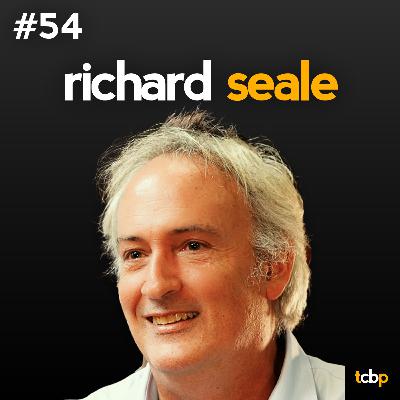
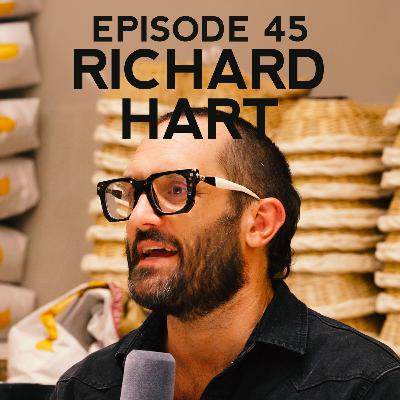
#54 Richard Seale - Barbados Rum, Foursquare Distillery, Rum Distillation, Rum History, Rum Fermentation
Description
In this episode, Richard Seale of Foursquare Distillery joins me for a fast-moving deep dive into the history, culture and technology of rum — from 17th-century Barbados to the modern distillery.Key Topics:Is Barbados the birthplace of rum?Richard explains why the island is the true origin of cultural rum-making — not because it was “first”, but because it produced the earliest consequential, documented rum industry with skilled distillers, equipment, trade routes and scale. Sugar, the Dutch, and the rise of an industryWe explore how Dutch traders brought Brazilian sugar technology, how Barbados’ wind and water resources made large-scale production possible, and how early planters rapidly adopted boiling, milling and distillation methods. Early rum wasn’t crudeContrary to modern assumptions, 17th-century rum was sophisticated: spontaneous fermentations managed with skimmings and dunder, double distillation in copper, and a deep practical understanding of acidity and microbial balance. Export markets and the fall from dominanceBarbados supplied the American colonies with vast volumes of rum until war, revolution and hurricanes collapsed its export market — paving the way for Jamaica and others to dominate. The sugar industry’s long arcRichard traces the rise, centralisation and 20th-century collapse of Barbados sugar, from hundreds of estates to the single remaining factory today. The double retort pot stillA highlight of the conversation: why the double retort became the Caribbean’s signature still. Richard explains its structure, how low wines and high wines recycling works, and why it produces high proof, clean separations and excellent ester development. Batch vs continuous distillationWe cut through common myths: pot stills versus continuous stills, why “hybrid still” is a misnomer, why strength doesn’t equal flavour loss, and how batch and continuous distillation differ fundamentally in chemistry and output.












 United States
