


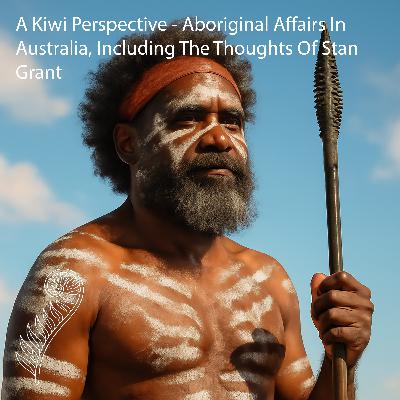
A Kiwi Perspective - Aboriginal Affairs In Australia, Including The Thoughts Of Stan Grant
Description
Welcome back to A Kiwi Perspective, the podcast where we dive deep into issues that matter to everyday New Zealanders. Today’s episode is a critical look at Aboriginal affairs in Australia, including the thoughts of Stan Grant.
The state of Aboriginal affairs in Australia has long been a contentious and emotional issue, one that cannot be understood without acknowledging the historical context that continues to shape Indigenous lives today. The arrival of European settlers in 1788 marked the beginning of a profound and traumatic period for Aboriginal peoples. Over the course of the past two centuries, Australia’s Indigenous population has been subjected to colonization, dispossession, violence, and policies that sought to undermine their culture, autonomy, and rights.
For Aboriginal Australians, the struggle is not just about addressing the inequalities that exist today but also about confronting the deep emotional and historical wounds that have been inflicted. The call for justice is multifaceted, involving demands for land rights, recognition, reconciliation, and reparations.
A central figure in these conversations today is Stan Grant, an Aboriginal journalist, author, and advocate whose voice has been instrumental in challenging Australia's national narrative. As someone who has been outspoken about the country's history and its ongoing legacy of racism and inequality, Grant’s perspectives offer a profound and necessary counterpoint to dominant narratives that often marginalize or ignore Aboriginal voices.
This episode of A Kiwi Perspective will delve into the history, present conditions, and future hopes for Aboriginal affairs in Australia, with particular attention to the role that figures like Stan Grant play in shaping the conversation. We will examine the ongoing struggles of Aboriginal communities, the calls for constitutional recognition and a treaty, and the ways in which Aboriginal identity is forged amidst a legacy of dispossession and marginalization.










 United States
