


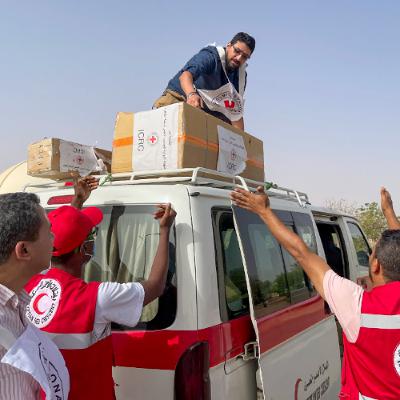
Complying with IHL in large-scale conflicts: How should states prepare to allow and facilitate delivery of humanitarian relief?
Update: 2025-12-04
Description
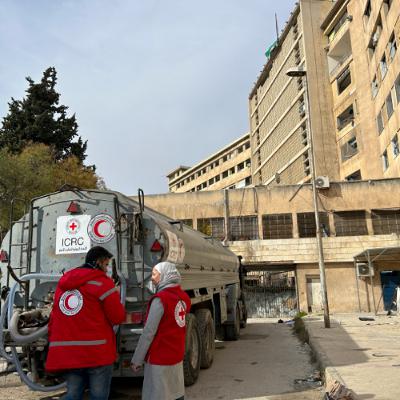
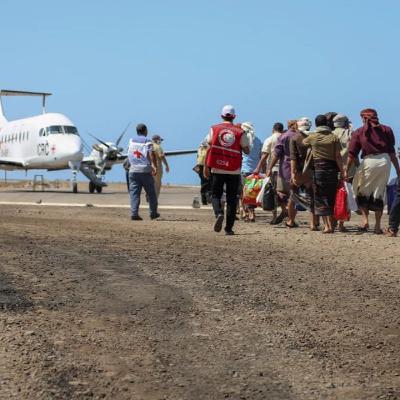
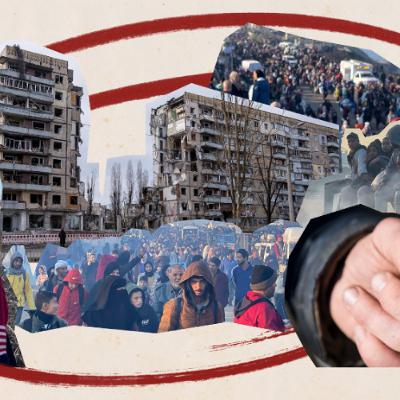
Large-scale armed conflicts consistently sever the systems that sustain civilian life, leaving populations without essential services or access to basic goods. International humanitarian law (IHL) sets out clear obligations for states to anticipate these foreseeable humanitarian needs and to ensure that impartial relief can reach affected communities swiftly and safely. Yet from customs hurdles to restrictive regulatory frameworks, many of the barriers to life-saving assistance are rooted not in conflict itself, but in peacetime choices.
In this post, ICRC Legal Adviser Ellen Policinski examines how states can proactively shape legal, administrative, and logistical systems that enable, rather than obstruct, humanitarian relief in moments of crisis. She underscores that meeting IHL obligations requires advance preparation – from easing import restrictions to ensuring postal and customs exemptions – so that when conflict erupts, assistance can move without avoidable delay.
In this post, ICRC Legal Adviser Ellen Policinski examines how states can proactively shape legal, administrative, and logistical systems that enable, rather than obstruct, humanitarian relief in moments of crisis. She underscores that meeting IHL obligations requires advance preparation – from easing import restrictions to ensuring postal and customs exemptions – so that when conflict erupts, assistance can move without avoidable delay.

Comments

In Channel






Download from Google Play

Download from App Store
 United States
00:00
00:00
1.0x

