


Ep. 35: How Orthopedic Surgeons Fix Bones - Part 2
Description
Subscribe: Subscribe to Dr. G's Rules of Thumb Newsletter
Original Article: How Orthopedic Surgeons Fix Bones - Part 2
Other Articles:
Summary:
In this episode of the Rules of Thumb podcast, Dr. G discusses the intricacies of orthopedic surgery, focusing on the processes of primary and secondary bone healing. He explains how orthopedic surgeons utilize various techniques, such as compression plating and bridge plating, to facilitate healing in fractured bones. The episode highlights the importance of stability in the healing process and introduces innovative solutions like femoral nails. Listeners gain insights into the surgical approaches and biological mechanisms involved in bone repair.
Keywords: orthopedic surgery, bone healing, secondary bone healing, compression plating, bridge plating, femoral nail, musculoskeletal health, fracture treatment, callus formation, orthopedic techniques
Takeaways:
- When using compression is not an option to fix a bone, orthopedic surgeons can use the phenomenon of secondary bone healing to their advantage.
- This is typically achieved via bridge plate fixation or the use of an intramedullary nail.
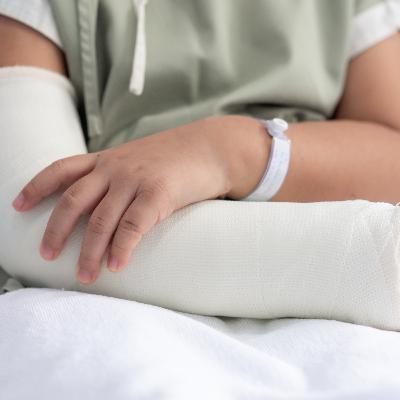
- This is also how a standard arm or leg cast works.
- The key is achieving enough basic stability of the fracture to allow the body to take over the rest of the healing process with a tissue called callus.
- Bones can heal in two different ways after they break: primary and secondary healing.
- The maximum amount of instability under which a bone can manage to heal is 10% strain.
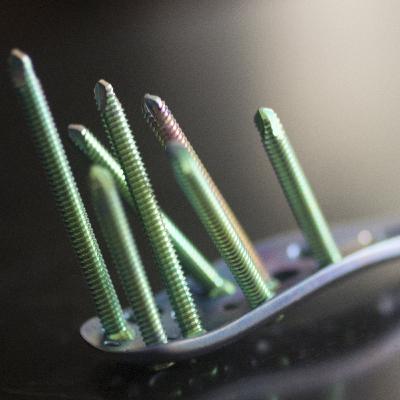
- Bridge plating provides stability for shattered fractures without compression.
- Femoral nails allow for internal stabilization of the bone.
- The healing process typically takes about six to ten weeks following surgery.
- Most patients choose to keep the surgical hardware for life after healing.
Chapters:
00:00 Introduction to Orthopedic Surgery and Bone Healing
00:53 Understanding Primary and Secondary Bone Healing
02:33 Surgical Techniques for Secondary Bone Healing
05:00 Innovative Solutions: Bridge Plating and Femoral Nails
06:23 Key Takeaways on Bone Healing Techniques
Disclaimer:
If you are having a medical emergency, call 911. Do not attempt to contact or obtain medical services through this site. This content is for general informational purposes only and does not constitute the practice of medicine, nursing, or other professional health care services, including the giving of medical advice, and no doctor/patient relationship is formed. The use of information on this site or materials linked from this site is at the user's own risk. The content of this site is not intended to be a substitute for professional medical advice, diagnosis, or treatment. Users should not disregard, or delay in obtaining, medical advice for any medical condition they may have, and should seek the assistance of their healthcare professionals for any such conditions. The content is my own and does not necessarily reflect the views of my employer.








 United States
