



Episode #373: Deadlift Data- The Truth About Sumo vs. Conventional, New Study Finds Hard Cardio 9x Better, and Ozempic's Muscle Secret
Description
The Rundown: Deadlift Data, Intensity Science, and Semaglutide's Muscle Effect
Episode Summary: Weighing Records, Efficiency, and Regulation
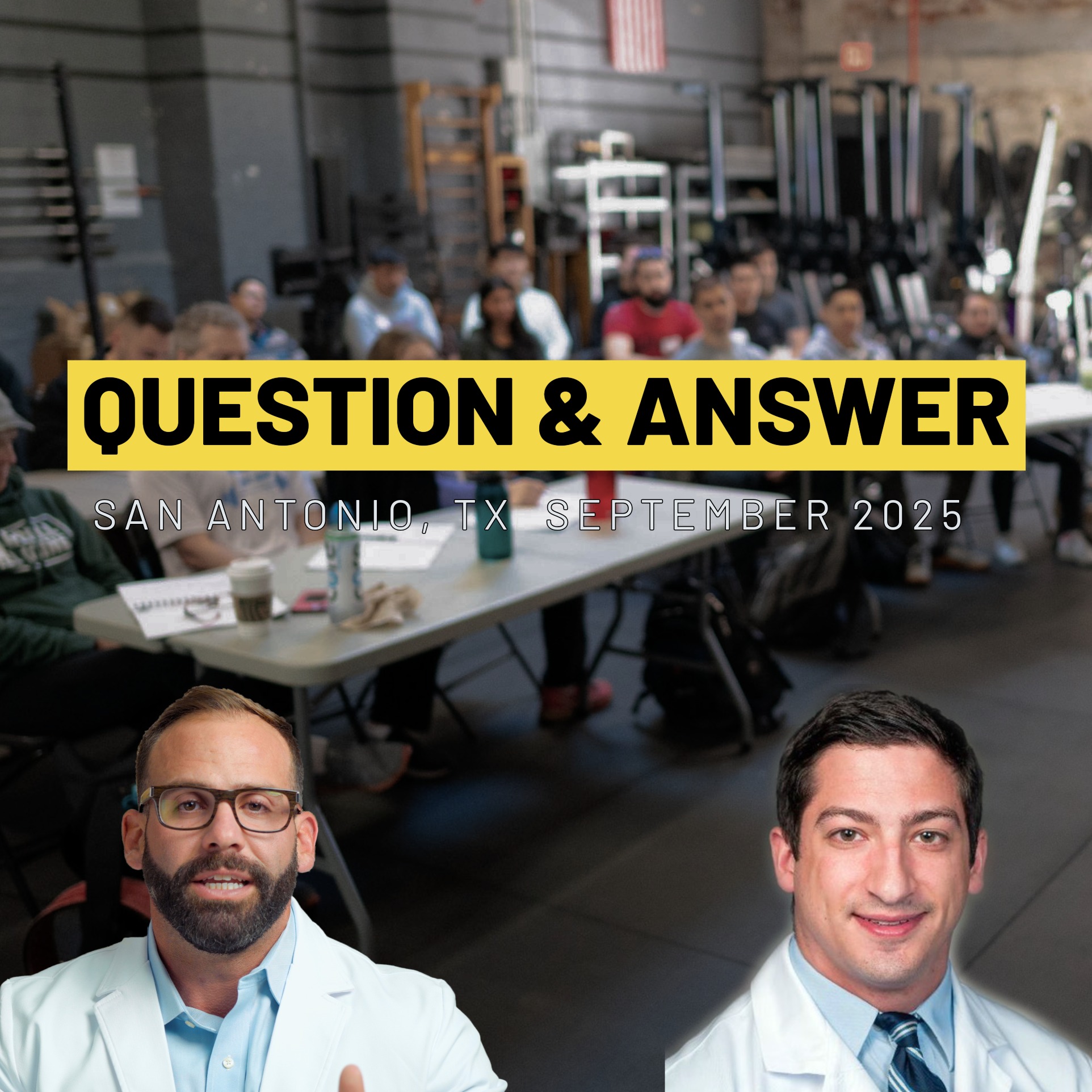
In this episode of The Rundown, Dr. Jordan Feigenbaum and Dr. Austin Baraki dive deep into the latest data and breaking news spanning strength, longevity, and health policy. They kick off the discussion by analyzing world record powerlifting data to dissect the perennial sumo versus conventional deadlift debate and the impact of specialized equipment.
Next, they tackle controversial new science on exercise intensity, revealing that vigorous physical activity may be far more efficient for disease risk reduction than the traditional 1:2 ratio suggests. They examine a new, complex consensus statement from the ACSM on exercise intensity domains. Finally, the hosts analyze new clinical data on the anti-obesity medication semaglutide (Ozempic/Wegovy), assessing its impact on muscle function during weight loss, and they weigh in on China’s new mandate requiring influencer certifications for sensitive topics, as well as the critical issue of lead in protein powder.
⏱️ Timestamps
- [00:20 ] I. Deadlift Data DEBUNKED: World records, the stiff bar vs. deadlift bar delta, and the conventional vs. sumo distribution in elite powerlifting.
- [17:14 ] II. Intensity Science: Is Harder Way Better?: New data shows vigorous activity is 4x-9x more efficient than moderate activity for health outcomes.
- [30:51 ] The ACSM’s New Intensity Definitions: Critique of the confusing new "Metabolic Threshold" and RIR-based resistance training domains.
- [41:40 ] III. Medical Updates: The Fox P3 Nobel Prize: How a genetic immune switch (regulatory T-cells) impacts autoimmune disease and muscle repair.
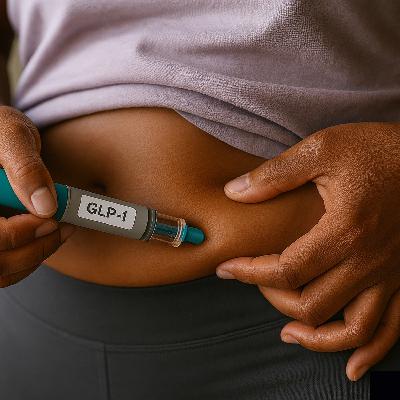
- [49:32 ] Semaglutide and Muscle Preservation: The SEMALEAN study data showing 80% fat loss, 20% lean mass loss, and improved handgrip strength.
- [01:00:26 ] China's Influencer Certification Mandate: Discussion on government control, misinformation, and the limits of expertise on social media.
- [01:07:00 ] Lead in Protein Powder: Why incidental lead is unavoidable, the risk of contamination (especially in plant-based powders), and how to ensure supplement safety.
⭐ Get More Value: Exclusive Content and Resources
Want to support the show and get early, ad-free access to all episodes plus exclusive bonus content? Subscribe to Barbell Medicine Plus and get ad-free listening, product discounts, and more. Try it free for 30-days.
Unsure which training plan is right for you? Take the free Barbell Medicine Template Quiz to be matched with the ideal program for your goals and experience level.
For media, support, or general questions, please contact us at support@barbellmedicine.com
Key Takeaways & Actionable Insights
- Deadlift Data is Nuanced: Top raw powerlifting deadlifts (on a stiff bar) show a near-even split between sumo and conventional pullers, suggesting that lift style remains primarily an anthropometric and individual preference, rather than one being universally "superior."
- Intensity Efficiency: New research suggests that one minute of vigorous activity may be equivalent to four to nine minutes of moderate activity for disease risk reduction, highlighting the superior efficiency of higher intensity exercise (though volume remains critical).
- Semaglutide Muscle Quality: New data on semaglutide shows that despite absolute lean mass loss (expected with any rapid weight loss), muscle function (handgrip strength) improved over 12 months, challenging the hyperbole surrounding sarcopenia risk associated with GLP-1 agonists.
- Supplement Safety: Due to the risk of heavy metal accumulation (like lead and cadmium), particularly in plant-based powders, consumers should only purchase protein powders that are manufactured in a GMP accredited facility and are third-party tested and batch tested.
I. Strength & Records: The Deadlift Debate and Barbell Specificity
The episode begins with a deep dive into the deadlift, inspired by a video of an impressive 420 kg (924 lb) pull on a stiff bar—a significantly harder feat than lifting the same weight on a flexible deadlift bar. The hosts use this to frame the differences between competition equipment (stiff bar vs. deadlift bar) and lift style (sumo vs. conventional).
Equipment and Performance
The data suggests a substantial delta—as much as 67.5 kg (148 lbs)—between the heaviest pulls on a deadlift bar versus a stiff bar. This difference is attributed not only to the bar's smaller diameter (improving grip) but also its increased deflection (reducing the initial height of the pull).
Dr. Feigenbaum emphasizes that the benefits of lifting more weight with a specific style or equipment are concentrated on that lift alone. Training specificity is key: a style that allows you to deadlift more does not inherently make your legs stronger for a leg press, running faster, or jumping higher. Therefore, outside of competition, stylistic preference and injury risk management should dictate your choice. For instance, determining Should I conventional or sumo deadlift for low back pain? is a highly individualized choice based on mechanics and comfort, not maximizing absolute load.
Sumo vs. Conventional Data
Analyzing the top 100 raw deadlifts in the IPF (a tested federation using stiff bars) reveals that the sumo versus conventional deadlift debate is not a "slam dunk" for either style. The results are split: 52% of top men use sumo, and 48% use conventional. For women, it was 65% sumo and 35% conventional. This data suggests that elite lifters, who certainly experiment, often revert to the style that works best for their unique anthropometry and leverages. The process of progressive resistance training older adults or any new lifter requires a coach to act as a "guide to the Sorting Hat"—sampling different styles and assistance exercises to find the technique that unlocks the individual's highest training capacity.
If you are looking to optimize your lifting technique and maximize your potential with an evidence-based approach, our Training Programs provide structured guidance. For those dealing with specific issues, learn to modify your approach with our Rehab Templates like the Lower Back Rehab Template at barbellmedicine.com/rehab-templates.
If you are looking to optimize your lifting technique and maximize your potential with an evidence-based approach, our Training Programs provide structured guidance. For those dealing with specific issues, learn to modify your approach with our Rehab Templates like the Lower Back Rehab Template.
II. New Intensity Science and Public Health
The hosts scrutinize a new analysis that calls into question the long-held public health guideline that one minute of vigorous physical activity (VPA) is equivalent to two minutes of moderate physical activity (MPA).
Vigorous vs. Moderate Activity Ratios
Analyzing accelerometer data from over 73,000 adults over eight years, the researchers found the efficiency gap to be much larger than 1:2. VPA was significantly more efficient for disease risk reduction:
- All-Cause Mortality: 1 minute VPA = 4 minutes MPA
- Cardiovascular Disease Mortality: 1 minute VPA = 7.8 minutes MPA
- Type 2 Diabetes: 1 minute VPA = 9 minutes MPA
The METs Conundrum and Talk Test
The hosts theorize that this massive disconnect may be an artifact of using Metabolic Equivalents (METs)—a highly flawed, one-size-fits-all measure—to categorize exercise. The key insight is that for exercise to be effective, it must be hard enough to count as exercise for the individual. What is moderate for a fit person may be high intensity for a person with COPD.
Instead of relying on confusing MET scores or new, complex jargon like the ACSM's new "metabolic threshold" domains, the most practical tool for the public is the Talk Test.
- Practical Recommendation: Exercise at an intensity where you can only speak a few words before needing to take a breath (around Ventilatory Threshold 1, or Zone 2). This is hard enough to drive cardiorespiratory adaptations (at least 60% of max heart rate) but sustainable enough to accumulate necessary volume.
To integrate effective cardio into your regimen, whether you're managing systemic health or seeking peak performance, visit our Barbell Medicine Resources Page for hundreds of articles and guides on evidence-based strength training and health, including practical tips on measuring exercise intensity.
⚕️ III. Medical & Wellnes














 United States
