



Erin Dorr, Textile Recycling Programs and Change Agents
Description
Welcome back to the second episode of Sustainable Solutions with Planet Aid. Today's narrative weaves into the life of Erin Dorr, a sustainability professional from Bedford, Massachusetts, who transformed her career path from finance to environmental activism during a sabbatical.
Erin sheds light on the strategic importance of schools in fostering a green mindset among students—the generation that, while not responsible for climate issues, will champion the charge toward a sustainable future. She emphasizes the role schools play in reinforcing eco-friendly habits practiced at home, thereby spinning a web of sustainability that extends into the community.
Bedford, an eco-conscious town, provides the perfect backdrop for Erin's initiatives, with its trails, bike clubs, and a commitment to an energy net-zero plan. The town's alignment with the Massachusetts textile waste ban has been pivotal in setting the stage for responsible recycling, presenting both opportunities and challenges.
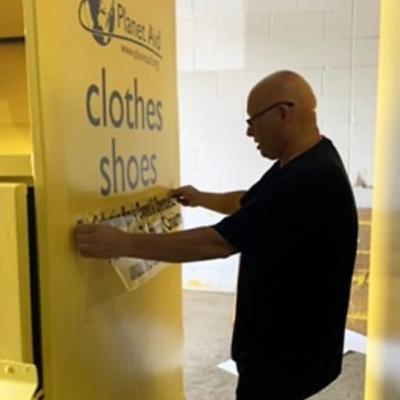
A major highlight of Erin's efforts is the placement of Planet Aid's yellow clothing collection bins at local schools, which have amassed an impressive 60 tons of textiles since 2020—the equivalent of the weight of 30 elephants. Beyond collection, Erin also spearheads educational campaigns on the lifecycle of clothing, contributes articles to school newsletters, and energizes the community with gamified donation challenges. These initiatives not only further sustainability but also support school funding, with proceeds from collected textiles fueling future eco-friendly projects.
Despite successes, Erin notes the challenges such as the necessity of easy-to-access infrastructure for textile recycling and the continuous need for education on sustainable practices. Many remain unaware of the textile waste ban, highlighting the ongoing requirement to enlighten the community on eco-friendly laws and facilities, such as the yellow bins provided by Planet Aid.
Erin’s vision extends into a 15-year plan that ambitiously includes government sustainability initiatives, farm-to-table programs, and renewable energy sources to push Bedford towards a sustainable independence.
Partnerships, like the one with Planet Aid, stand out as a cornerstone in achieving these goals, providing the necessary infrastructure for collection, sorting, and distribution to minimize textile waste.
Tune into the full episode to explore this topic further.




 United States
