


How To Handle Student Regression In Adaptive and Therapeutic Lesson Programs
Description
👉 If these tips helped you, please like, subscribe, and share your experience in the comments!
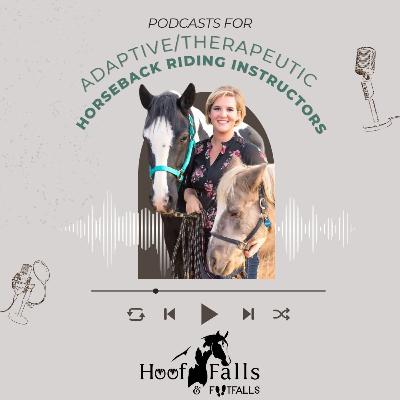
Hoof Falls & Footfalls has MORE resources for adaptive/therapeutic riding instructors:
📌 Intuitive Instructor Club - Hoof Falls & Footfalls: https://hooffallsandfootfalls.com/coaching-2/
📌 Hoof Falls & Footfalls Website: hooffallsandfootfalls.com/
📌 Follow HF&F on Facebook: www.facebook.com/hooffallsandfootfalls
📌 AR/TR Instructor Blog: learn.hooffallsandfootfalls.com/blog/
📌 HF&F Podcast: https://open.spotify.com/show/6KbyFFTX5PtedHiRCRo4An?si=83743e13a65a4966
In this episode, we delve into the common issue of student regression in horseback riding lessons. We explore the various causes, such as horse or tack changes, alterations in lesson format, and personal factors like growth spurts or medication changes. We'll also share strategies for instructors to handle and support their students through these moments, using the 'Expect, Educate, Embrace' method. Whether you're teaching traditional or adaptive lessons, you'll gain valuable insights into preparing for and overcoming student regression, ultimately helping both students and instructors turn these challenges into learning opportunities.
00:00 Introduction to Student Regression
01:06 Common Causes of Regression
07:41 Personal Factors Affecting Regression
11:56 Handling Regression as an Instructor
19:00 The Three E Method for Managing Regression
22:24 Conclusion and Final Thoughts
Disclaimer: The information provided by Hoof Falls & Footfalls is for educational purposes only and is intended to support instructors in expanding their knowledge and skills. It is not a substitute for professional training, certification, or individual judgment. By choosing to implement any of the ideas, techniques, or practices shared here, you do so at your own risk and accept full responsibility for the outcomes. Hoof Falls & Footfalls and its creator, Saebra, assume no liability for any injuries, damages, or losses resulting from the use of the information provided. Always ensure the safety and well-being of your students, horses, and yourself by following appropriate safety guidelines and industry best practices.


 United States
