


Inventing the iPhone: Myths, Mistakes, and Group Genius
Description
You've heard about Steve Jobs, the Wizard of Cupertino. They say he invented the iPhone. Some people called him the iGod. But the iPhone was not created by a single genius, not Jobs and not anyone else. The real story is more surprising, and more interesting, than a myth about a single man. In this episode, Dr. Keith Sawyer reveals the true history behind Apple's groundbreaking invention. It was years of secret teams, failed prototypes, competing visions, and the collective creativity of hundreds of people.
Before the iPhone, cutting-edge techies carried all sorts of devices--phones, PDAs, and music players. If your device had a screen, it was tiny. If you could touch that screen, you had to use a plastic pointer. Touching on glass with your finger seemed impossible. Top executives in the business thought that a phone without a keyboard was a ridiculous idea.
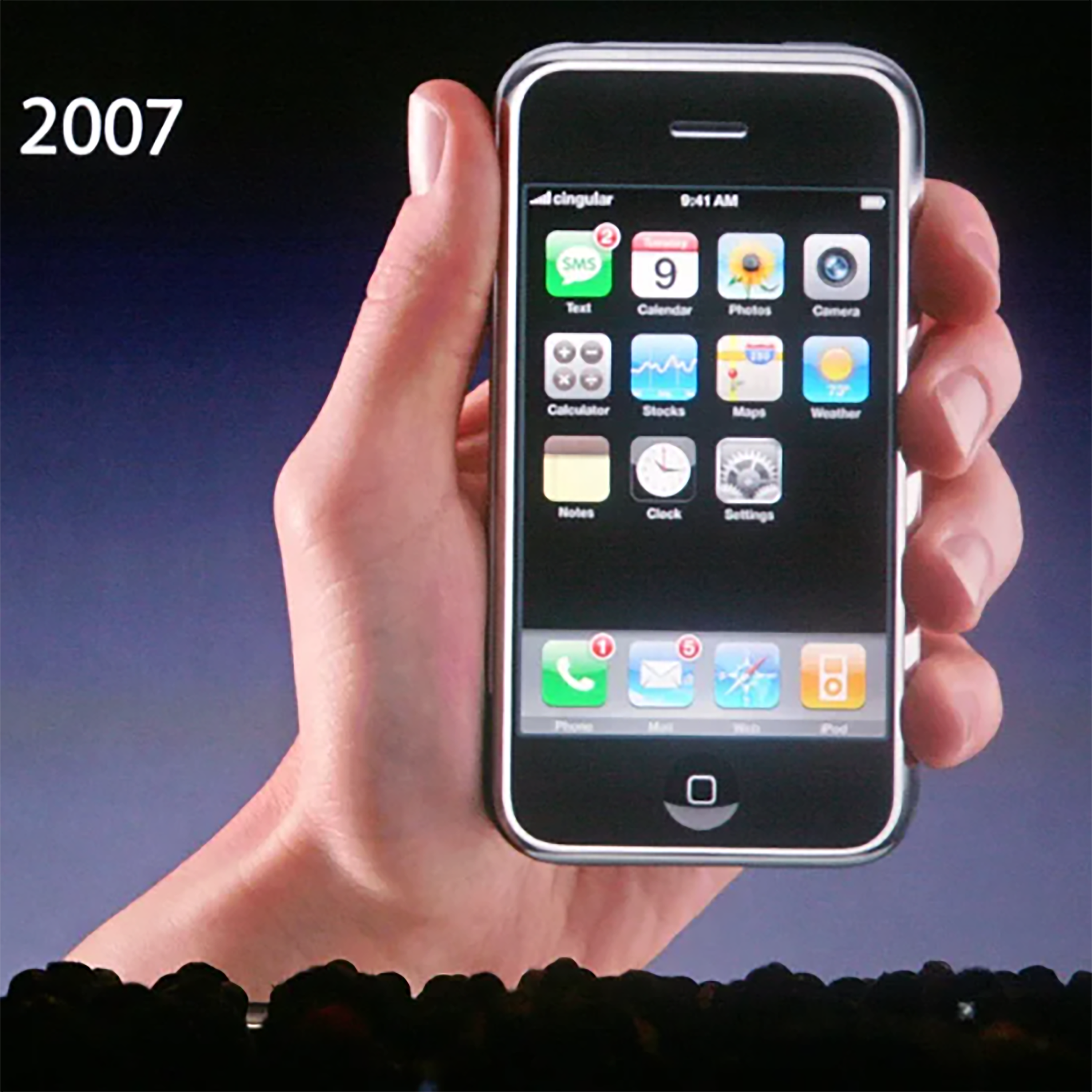
In 2007, Apple introduced a device that changed everything. It was more than a technological innovation; it changed entertainment, travel, and social life. Steve Jobs stood on stage at MacWorld, and said "We are calling it iPhone," but he wasn't the inventor. You'll hear that clip in this episode--he didn't say the iPhone, he said simply "iPhone."
This is the creation story of the iPhone. Not the myth, but what really happened. It's a wonderful example of group genius.
Five Key Takeaways
- The iPhone wasn't invented by one person—its creation emerged from years of ideas, prototypes, failures, and contributions from thousands of people.
- The breakthrough wasn't the hardware—it was the ecosystem: multitouch, iTunes, the App Store, cloud services, and developers all working together.
- Apple's first attempt at a phone, the Motorola ROKR, was a failure—and that failure was essential fuel for the true iPhone project.
- Cultural impact matters as much as technological innovation—smartphones fundamentally changed how humans navigate, create, communicate, and even remember.
- The iPhone is one of the most powerful examples of social innovation: a collective, emergent creation shaped by engineers, designers, users, markets, and culture.
Music by license from SoundStripe:
"Uptown Lovers Instrumental" by AFTERNOONZ
"Miss Missy" by AFTERNOONZ
"What's the Big Deal" by Ryan Saranich
Copyright (c) 2025 Keith Sawyer



















 United States
