


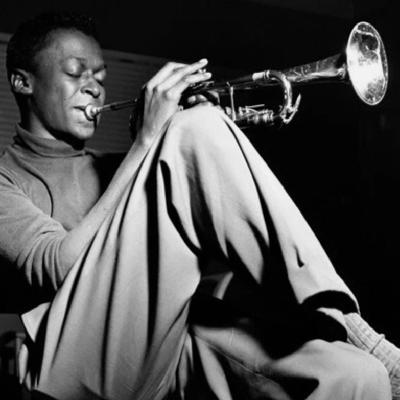
Miles Davis 1953-1954
Description
Miles Davis is one of the “superstars” of jazz, a dynamic trumpet master renowned throughout the world for many varied achievements during his decades long career.
For this radio program, I isolated a lesser remembered period, to put a sharp focus on his activity during the years 1953 and 1954.
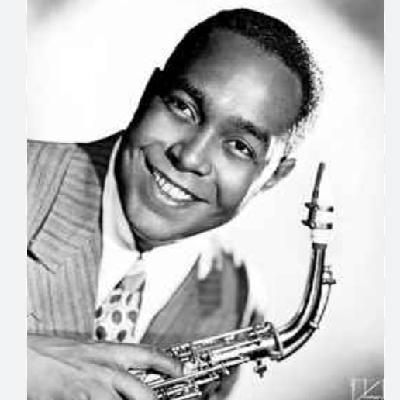
Miles Davis was born in Alton, Illinois May 26, 1926. A teenage wunderkind, he arrived in New York in 1945 to play with Charlie Parker and join in forging the nascent bebop movement of modern jazz. By the late 1940's he was working on further innovations such as his creative arrangements for nonet orchestras, later named “The Birth Of The Cool”. In 1949, he was famous enough to be one of the headliners of the International Jazz Festival in Paris, a significant event returning American jazz to Europe in the postwar renewal of the continent.
In the legend and lore of Miles’s career, he had a triumphant “comeback” at the 1955 Newport Jazz Festival. This was to be followed soon by major landmarks we all know – the quintet including Red Garland and John Coltrane, Gil Evans orchestras, Kind Of Blue, the 1960's groups with Wayne Shorter, and all the further milestones until his death in 1991.
So then, what happened after 1949 that Miles needed a comeback? First, he succumbed to the demons hovering around the jazz world of the time and suffered the scourge of heroin addiction. However, the ravages of his drug use were not so great that it prevented him from performing, and he continued to tour the country and make records with different groups. During this time Miles was in a period not just of personal self-doubt and struggle, but also of re-assessment of his musical conceptions and trumpet tones. By some time in 1953 he had finally beaten the drug addiction, and with recuperation came renewed strength and consolidation of skills.
Jazz itself was also going through a period of re-assessment in the early 1950's, on the one hand searching for avenues to take the be-bop breakthroughs to whatever next levels would come, but on the other hand popular musical tastes were changing and rhythm and blues also on the rise.
So this is where we find Miles Davis in the early 1950's. He had signed with the young independent jazz label Prestige and starting in 1951 made dozens of records in the 15 or 20 dates he had with them. At first not an exclusive deal, he also had three sessions for Blue Note. Most of these recordings were not by regular working “groups” but amalgamations of those with whom he played regularly – saxophonists such as Sonny Rollins, Jackie McLean and Jimmy Heath, trombonist JJ Johnson, pianists Horace Silver and John Lewis, and drummers Art Blakey and Kenny Clarke, to name a few.
These records might also not be as well known in his oeuvre, but they do include some that should be considered classics. Perhaps another reason for their lack of lasting fame is that this was a period when record companies were in the transition to the long playing era, and these discs were originally issued as 78s, 45 EPs, 10" LPs, and other soon to be esoteric formats, and only later reissued in ersatz album groupings. Accordingly, they could not be so coherently known with common monikers so as to fit in a Davis “canon”.
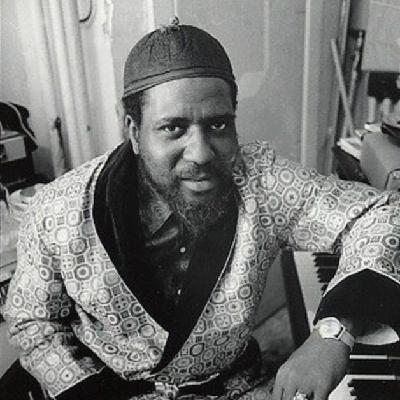
With these factors in mind, this program features the years 1953 and 1954, with records such as Kelo and Tempus Fugit, When Lights Are Low and Tune Up, his definitive cool version of Old Devil Moon, the extended performance on Walkin’, and concluding with the legendary tempestuous date with Thelonious Monk, Milt Jackson and the Modern Jazz Giants on Christmas Eve 1954.
These 1953-4 records are glorious on their own merit and just as impressive as other Miles Davis offerings. As some have said upon reflection, one might think that the critics who had called 1955 a “comeback” were the ones who had been away, and not Miles.
And these recordings are key to study as a preface to the next level that Miles and other jazz artists took the music in the late 1950's. As Dick Katz perceptively wrote about the musicians on Walkin’: “To me they represent a sort of summing up of what had happened musically during the preceding ten years. It’s as if they all agreed to get together to discuss on their instruments what they had learned and unlearned, what elements of bop they had retained or discarded”.
originally broadcast December 22, 2019











 United States
