


Mini Episode #11: Navigating International Organizational Culture and Leadership
Description
[00:00:00 ] Suzie : welcome to this wake up eager workforce podcast mini episode where we share in 10 minutes or less our monthly article from LinkedIn in a new audio format courtesy of our AI co host as they walk through the article and share additional insights exclusively for you I am Susie Price I'm your podcast host and the founder of Priceless Professional Development and whether you're listening to one of our long form episodes or something like this mini episode our focus is always to to provide everything to you related to helping employees in your organization build a high commitment low drama wake up eager workforce we're focused on creating great hiring creating great teams helping leaders and individuals wake up eager you can find all of our episodes long form and short form at Wake up eco workforce.com and you can subscribe anywhere that you get your podcasts so let me know if you have any questions if you are enjoying these mini episodes or any of our other episodes or if I can help you in any way you can find me at Susie at priceless professional.com Susie Price on LinkedIn and of course our contact information if you go to wake up eager workforce.com thanks for tuning in appreciate you very much and go out and have a wake up eager kind of day take care welcome to the deep docs today we're jumping right into well a classic global management challenge leading a team that's on paper really confident but uh deeply resistant to any kind of outside influence we've got this great case study to unpack based on a consultant's work with a leader let's call him Danny he was facing this exact issue with his team in Poland trying to bring them under a new more centralized strategy so our mission here is to sort of fast track your understanding of how you gain leverage in these well these really emotionally charged situations we're looking at how data culture leadership styles how they all clash on that global stage why do good people sometimes resist changes that seem necessary okay let's get into it
[00:02:04 ] A1 : yeah and this case is such a good example because it really highlights that clear financial goals they're often not enough not even close what we're really digging into here is the power of that ingrained local culture you know that tendency towards group solidarity maybe pushing back against outsiders it can effectively block corporate strategy even a really logical one Danny wasn't just tweaking processes he was up against a kind of cultural defense mechanism
[00:02:32 ] A2 : okay so where did he even start yeah I mean you can't just walk in and say your culture is resistant right so the breakthrough or the start of it came from something objective
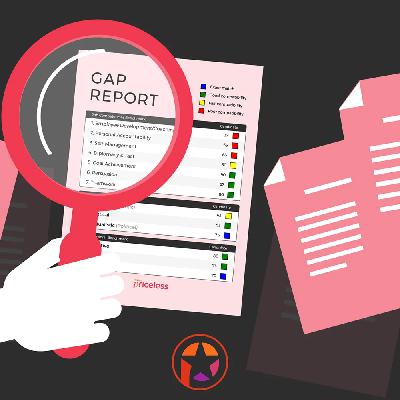
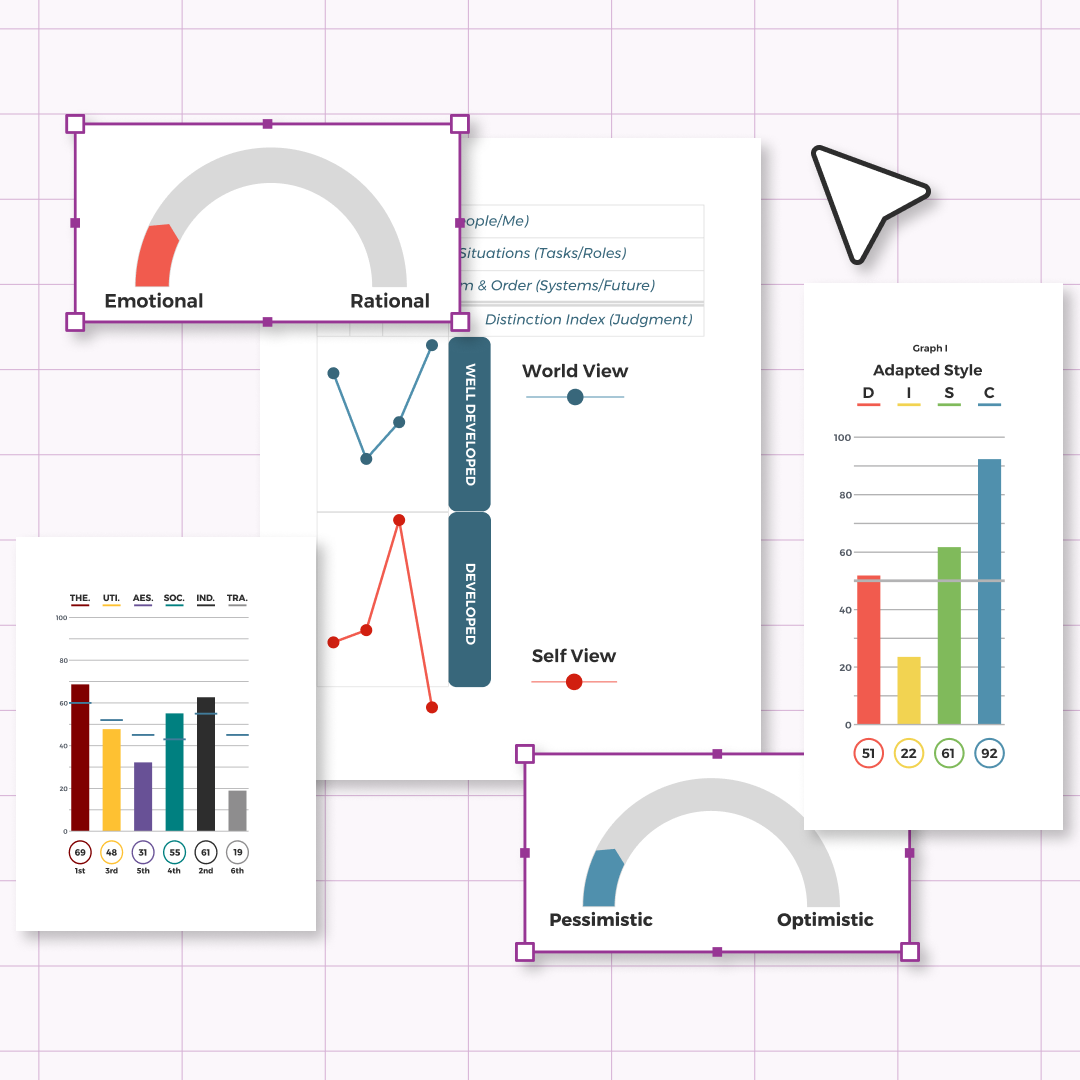
[00:02:40 ] A1 : exactly it started with a specific piece of analysis a leadership assessment he commissioned for a key local leader this was John the VP of operations OK right that report the VP Operations Benchmark Gap Report it was absolutely pivotal it wasn't just saying John's doing badly no it mapped his actual behaviors against a predefined standard for that VP role yeah and Justin did have strengths the report noted you know real passion for learning very direct communication style
[00:03:05 ] A2 : okay operational strengths good for getting things done
[00:03:09 ] A1 : definitely essential for execution but the gaps
[00:03:12 ] A2 : they were pretty significant especially for a VP level
[00:03:15 ] A1 : oh massive liabilities things you really don't want in a strategic leader we're talking significant shortcomings in personal accountability diplomacy tact and maybe most importantly people skills you can be a technical genius but without diplomacy you can't manage effectively up down sideways it just doesn't work
[00:03:35 ] A2 : and the source material really emphasizes this wasn't just about John was it his gaps were almost amplified by the local situation
[00:03:42 ] A1 : that's right the consultant called it a fortresses culture within that Polish leadership team deeply ingrained very hesitant about new perspectives and honestly really good at creating this sort of barrier against new talent coming in wow a structural barrier that's the perfect term for it John's weaknesses weren't just his own they were symptomatic of this larger kind of protectionist mindset they rewarded sticking together keeping things insular so if Danny had just say replaced John without tackling the culture
[00:04:09 ] A2 : the new person would have just bounced off that fortress wall
[00:04:12 ] A1 : instantly ostracized neutralized yeah so Danny's goal had to be bigger than just fixing John it was about building a leadership foundation strong enough to resist that that pull towards the way things had always been done
[00:04:26 ] A2 : okay this is where it gets really interesting for me because you've got this high emotion environment any criticism feels personal how do you even start talking about competence about culture when everyone's defenses are way up
[00:04:39 ] A1 : data you have to lean on the data those assessment reports were the key they shifted the conversation it wasn't Danny thinks John is abrasive anymore it became this objective tool shows a 45% gap in the specific relational skills needed for this VP role
[00:04:54 ] A2 : that reframing is crucial
[00:04:56 ] A1 : it's everything because if Danny had just used his own observations you know John's difficult the team's resistant they could have brushed it off oh that's just cultural misunderstanding or corporate doesn't get us right
[00:05:07 ] A1 : easy excuses but the gap report it used a recognized framework third party objectivity that was the lever Danny needed it allowed him to actually engage them in those tough but necessary conversations
[00:05:18 ] A2 : and didn't he do something specific with the report visually something quite clever he did
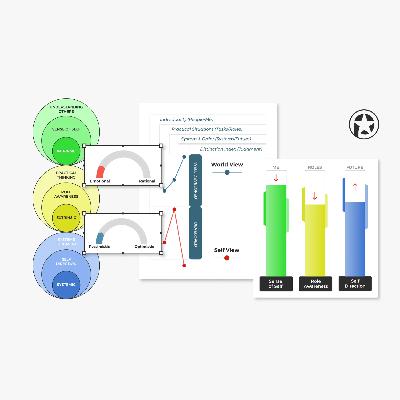
[00:05:22 ] A1 : he asked for a direct visual comparison John's actual assessment results right next to the preset job benchmark for a VP and you're right that benchmark wasn't just a list of tasks it was like a a psychometric map of the ideal VP profile for that company
[00:05:38 ] A2 : so like side by side here's the target here's reality
[00:05:41 ] A1 : exactly laid bare you could see for instance where the benchmark required high scores and say influence intact and John's profile showed these significant dips right there visually that visual data gave them a common neutral language it helped cut through potentially years of defensiveness because suddenly they weren't arguing about personality they were looking at verifiable behavioral gaps against a required standard
[00:06:04 ] A2 : so for you listening if you're facing that kind of dug in resistance objective data isn't just backup it actually provides a kind of psychological safety net doesn't it it lets everyone discuss the roles needs not just perceived personal failings
[00:06:17 ] A1 : and that focus on the role brings us to the next critical point where the real cost of that cultural resistance that fortress culture it became painfully clear John style combined with that team dynamic it basically created an environment that actively rejected desperately needed new talent
[00:06:36 ] A2 : and that talent was Anne right the promising new leader Danny brought in
[00:06:40 ] A1 : that's her she represented the strategic forward looking perspective that the Polish office really needed but she just couldn't get any traction
[00:06:47 ] A2 : why not what was happening day to day
[00:06:49 ] A1 : well the consultant realized she was essentially set up to fail not intentionally maybe but systemically and they use this fantastic analogy to help Danny see the disconnect between her and John
[00:06:59 ] A2 : oh yeah I remember this John was the contractor
[00:07:02 ] A1 : exactly focus purely on execution getting the job done now
[00:07:05 ] A2 : and and she was the architect focused
[00:07:07 ] A1 : on the blueprint the long term vision the strategic direction five years out
[00:07:12 ] A2 : so the contractor just wants to pour the concrete today while the architect is worried about the building's integrity decades from now yeah what did that look like in practice
[00:07:21 ] A1 : it looked like well John the contractor was all about immediate results hitting quarterly numbers keeping costs down right now very tactical and the architect she was focused on strategic alignment managing conflicts relationships with stakeholders investing in things that might not pay off this quarter but were crucial for the future they weren't just bad at communicating they were speaking fundamentally different professional languages
[00:07:44 ] A2 : and the existing culture reinforced the contractor view
[00:07:47 ] A1 : completely John saw Anne's planning as you know maybe impractical pie in the sky stuff and Anne saw John's intense short term focus as actually undermining the company's long term health the resistant culture basically sided with John's approach and starved Anne's strategic initiatives of support and resources
[00:08:06 ] A2 : and the outcome was pretty much inevitable
[00:08:09 ] A1 : I guess sadly yes and resigned and look that wasn't just one failed hire it was a huge red flag about the organizational culture itself the culture was so strong it literally pushed out the very talent brought in to help evolve it which forced Danny and the consultant to ask a really tough question how on earth do you recruit the talent you need when your current environment is basically designed to reject it
[00:08:33 ] A2 : that's a brutal question to face but necessary so Danny's frustration losing in that became the moment things had to change fundamentally a pivot point
[00:08:42 ] A








 United States
