


Navigating the Green Transition: Insights from Industry Leaders 💡
Description
Greetings to the 3k+ of you following along here at Impact Supporters! 🌍 It’s Jonas Ahm-Lundgren writing 👋
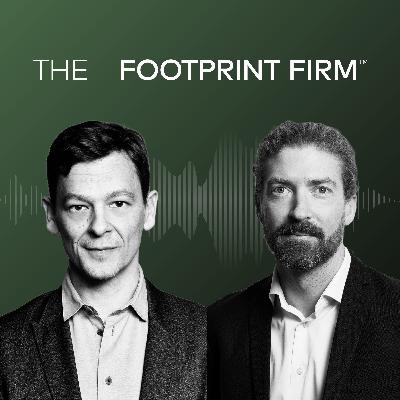
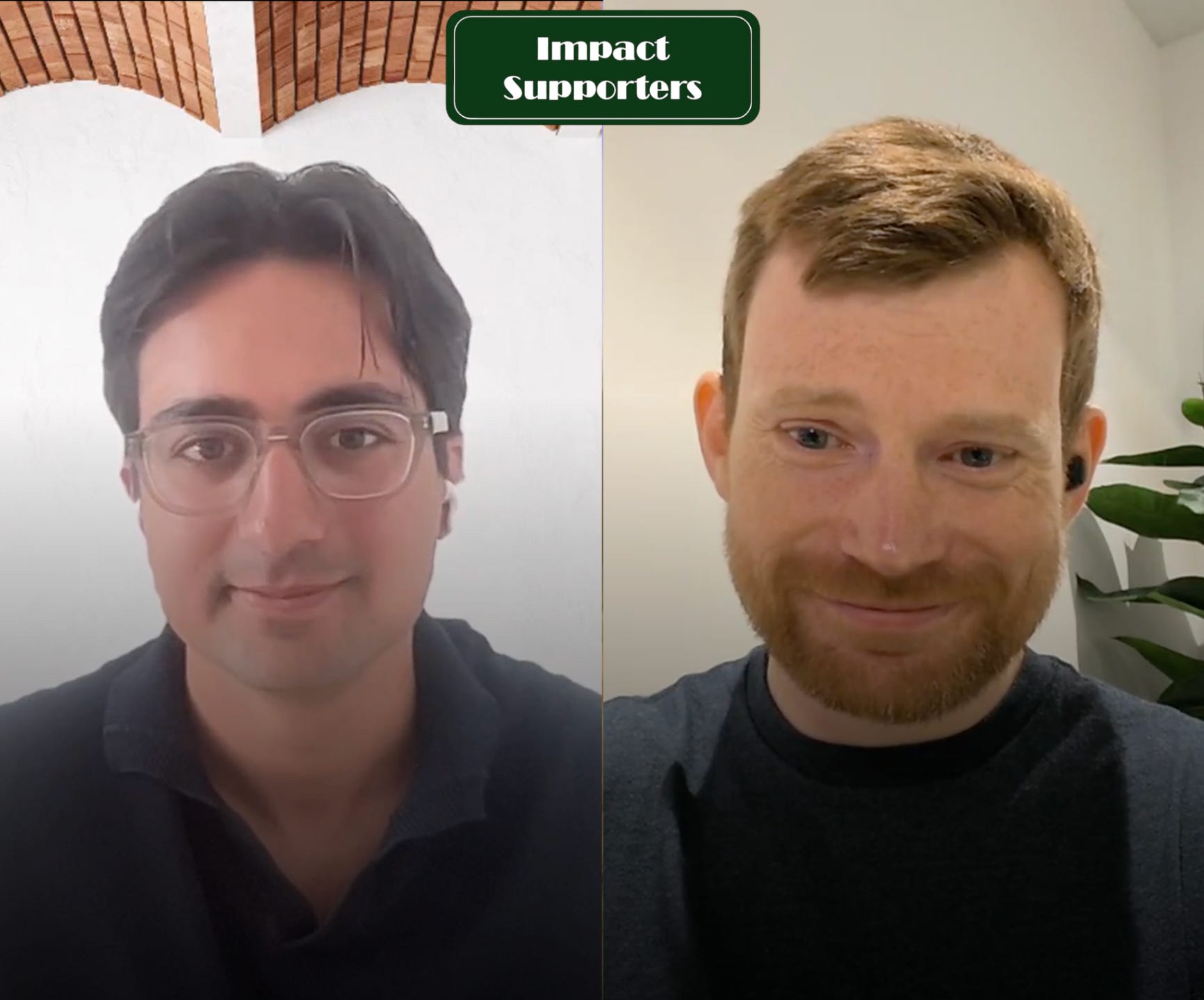
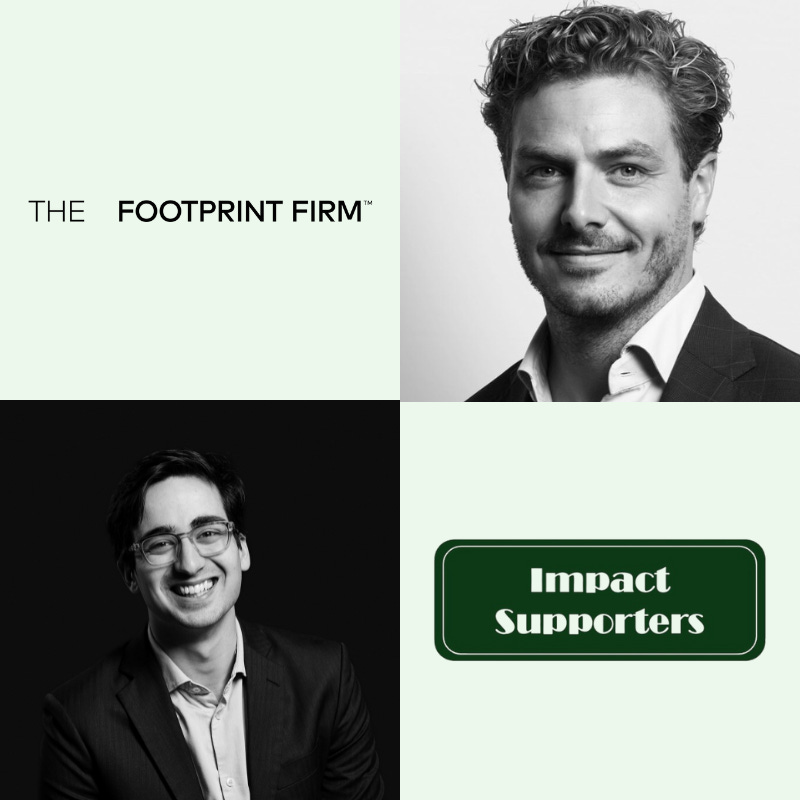
This week, I sit down with my colleagues Christian Sparrevohn and Phil Doolan from The Footprint Firm to understand what leadership of large corporates are thinking today in terms of sustainability, climate strategies, and operational resilience. From political headwinds to climate adaptation, their insights reveal both the challenges and the opportunities that lie ahead.
The Footprint Firm is an advisory and investment company with a sole focus on sustainability. We work together with clients on climate-positive innovations and sustainable solutions, making connections between companies, science, academia, government institutions, start-ups, and capital.
We spoke about how corporates are moving from idealism to realism, what this means for strategy and operations, and how investors and VCs can understand the shifting landscape.
🗓️ Agenda
* From Moral Pledges to CEO Reality ⚙️
* Europe’s Regulatory Dilemma 🏛️
* Climate Overshoot 🌍
* Adaptation as the New Frontier 💧
* Mitigation and Adaptation 🔄
* Realism, Not Cynicism 💬
* Key Takeaways 🔍
Meet Christian and Phil 👥
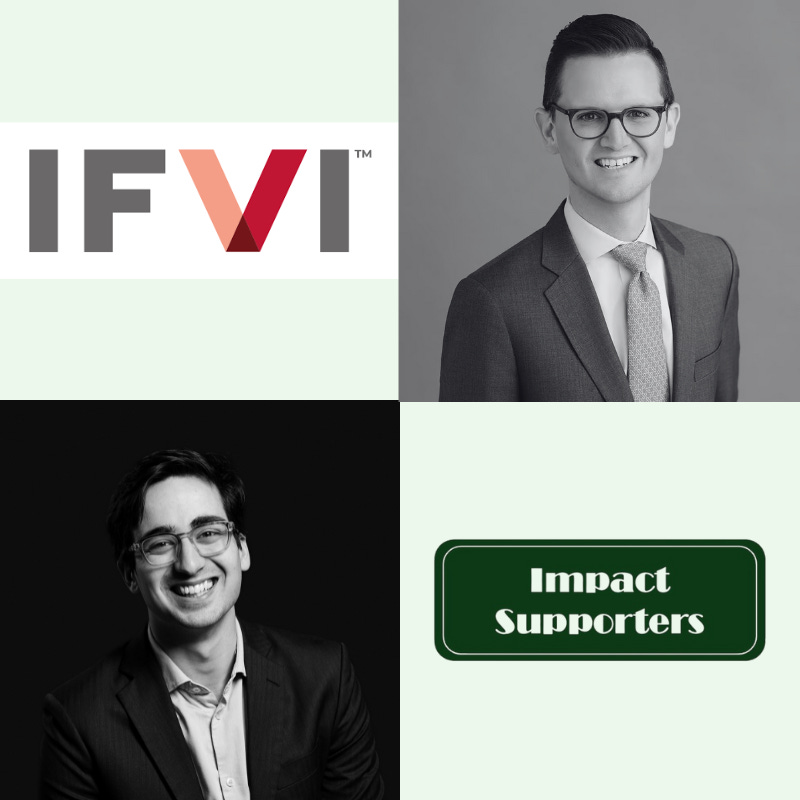
Christian Sparrevohn Christian brings significant advisory and management experience across corporate strategy, sustainability strategy and implementation, large-scale organizational optimization, digitalization, corporate governance, and public–private collaboration. He has served as a trusted advisor to executives in private and public companies across consumer goods, transportation, and the public sector. In addition to his role at The Footprint Firm, Christian serves as the Chairperson of the Green Transition Council.
He holds a Master of Public Policy from Harvard University and a Master of Science in Political Science from the University of Copenhagen. His former roles include Senior Partner at QVARTZ, Senior Vice President of Global Marketing at GN Netcom A/S, and Engagement Manager at McKinsey & Co..
Phil Doolan Phil has over 10 years of management consulting experience and leads The Footprint Firm’s climate advisory practice, as well as its circular economy investments. His advisory work has covered climate strategy, the circular economy, and broader sustainability strategy, and he has supported investors to understand sustainability risks and opportunities in due diligence, especially for impact investments. Prior to joining The Footprint Firm, Phil spent 8 years with Bain & Company (formerly QVARTZ) as an Associate Partner in the global Sustainability & Responsibility practice.
Together, Christian and Phil bring a grounded and forward-looking perspective on Europe’s green transition, bridging the gap between ambition and practical action.
From Moral Pledges to CEO Reality ⚙️
Sustainability is shifting from purpose slides to CEO priorities. Five years ago, ESG was largely about vision statements. Today, it is about risk management, cost structures, and measurable outcomes within the CEO’s tenure.
“These targets land within the current CEO’s lifetime — it’s becoming real,” Christian said. Phil agreed, adding that what used to be symbolic goals are now driving real investments in resilience and how companies run their businesses.
Europe’s Regulatory Dilemma 🏛️
Europe has rolled out ambitious reporting and compliance rules — CSRD, CSDDD, EUDR — yet implementation continues to lag. Early movers feel penalized, while slower adopters gain breathing space.
Christian sees potential in the EU framework: bureaucracy can create a level playing field and foster long-term planning. What’s missing, he says, is decisive action.
Climate Overshoot 🌍
Both guests are candid about the warming trajectory. Phil expects more than 2°C, while Christian anticipates closer to 3°C before politics catch up. Public pressure, however, can accelerate policy change when it becomes undeniable.
“Think of COVID,” Christian reflected. “Once it’s undeniable, politics can move like a whip.”
Adaptation as the New Frontier 💧
Adaptation is emerging as a critical focus alongside mitigation. Companies are asking how to protect assets, supply chains, and operations in a world already in flux. Real-estate firms, insurers, and food companies are early movers. Phil calls it “local by necessity”— each site needs a tailored resilience plan.
Christian sees water management as a defining challenge of the decade: scarcity, flooding, and efficient food production are central. “If I were a VC,” he said, “that’s where I’d look first.”
Mitigation and Adaptation 🔄
We discussed whether adaptation could distract from mitigation. Christian was clear: both are essential. Failing on adaptation risks public backlash. Failing on mitigation increases the long-term bill through taxes, trade barriers, and lost trust. This dual approach represents the new corporate realism: pragmatic and grounded.
Realism, Not Cynicism 💬
Christian also emphasizes that the shift from optimism to realism is not cynicism. Companies still engaged are focused for the long term.
As Christian puts it:
“We’re not getting more cynical, we’re getting wiser.”
The green transition may be quieter than headlines suggest, but it’s moving — driven by those who can’t afford to wait. Staying clear-eyed and steady is the best way to turn realism into action.
Advice from Christian and Phil 💡
🎯 Focus on what’s material: Target the issues that truly affect your business and climate impact.
⚙️ Integrate climate into operations: Sustainability must shape strategy, risk management, and investment decisions.
💧 Balance mitigation and adaptation: Protect assets while reducing emissions — both are essential.
🚀 Act decisively: Waiting for perfect clarity or regulatory certainty can be costly; first movers shape the market.
Closing Thoughts 💭
Christian and Phil argue that sustainability is no longer just a moral choice — it’s business survival and strategy. The shift from idealism to realism may be uncomfortable, but it creates opportunities for companies and investors who act decisively.
The lesson is clear: realism drives action. Those who integrate climate strategy into day-to-day operations, balance mitigation with adaptation, and navigate uncertainty will define the next decade of impact.
Let us know what you think: Are corporates ready to lead the next phase of the green transition? Simply reply to this newsletter or drop us a note at Impactsupporters@thefootprintfirm.com
Thanks for reading this week’s newsletter,
Jonas
This is a public episode. If you would like to discuss this with other subscribers or get access to bonus episodes, visit impactvc.substack.com




 United States
