


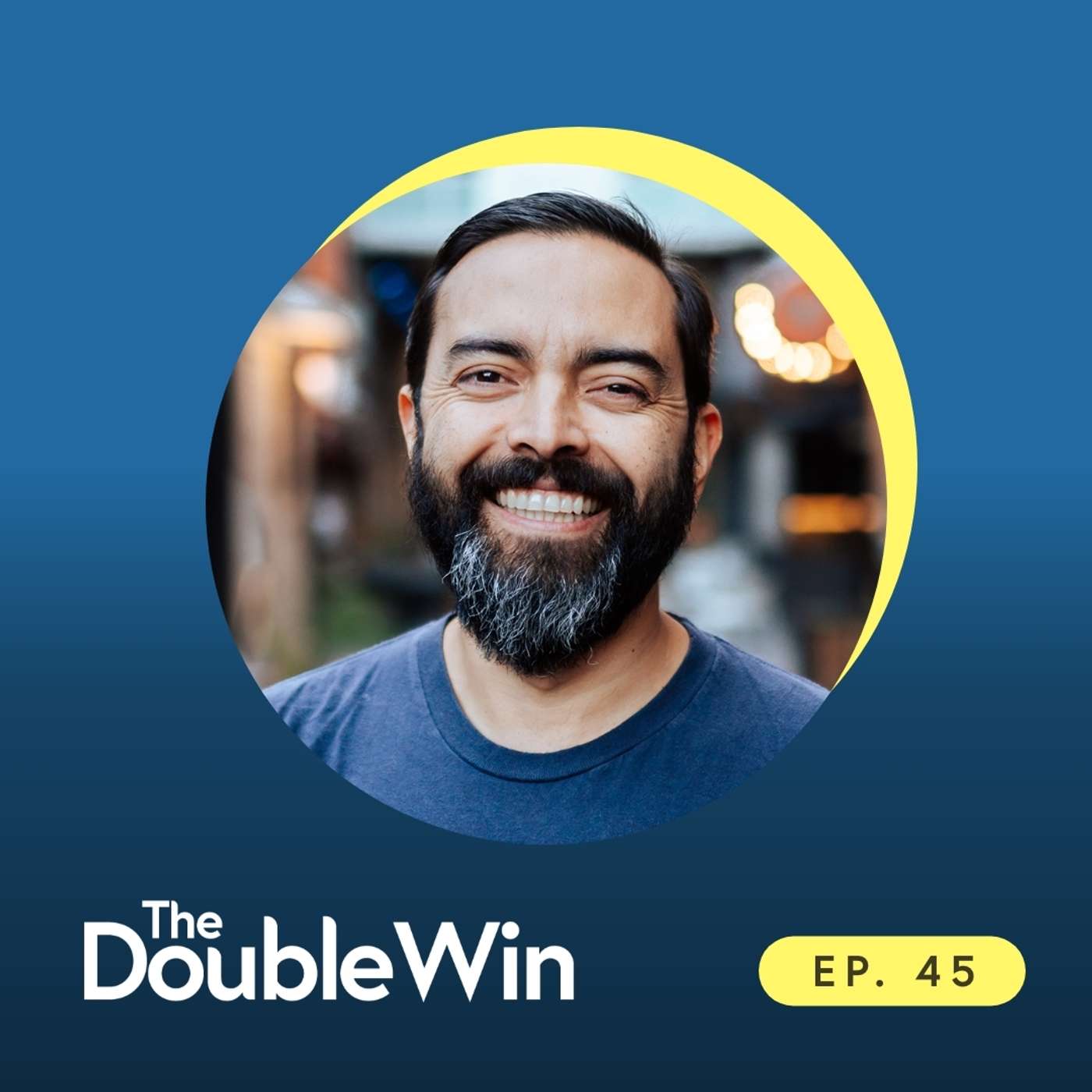
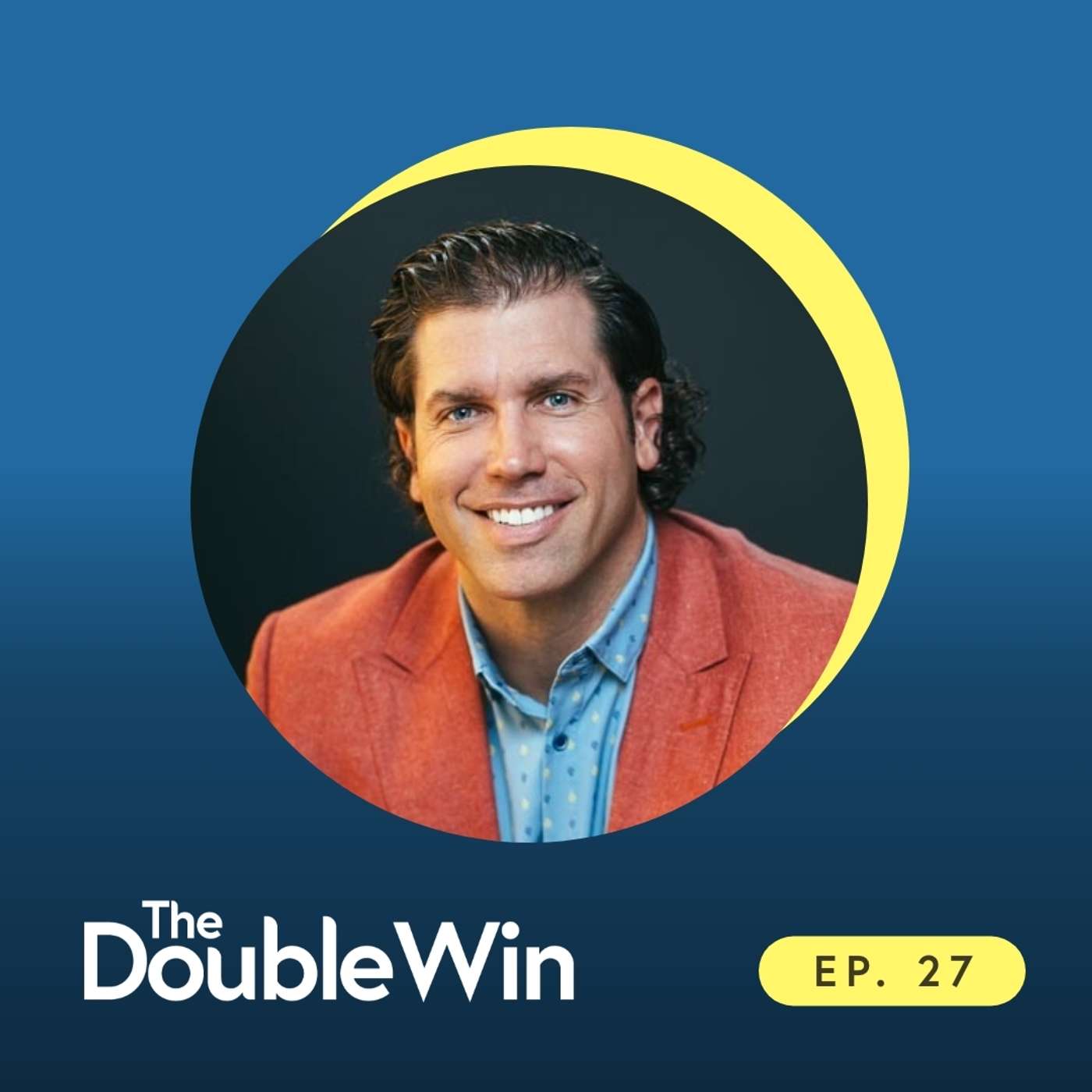
PAT FLYNN: Opting Out of Learning Overload
Description
Why do high-achievers feel perpetually behind, even while consuming more content than ever? In this conversation, Pat Flynn explains the trap of “overlearning” and how it quietly keeps us stuck in motion without progress. You’ll learn how to shift from “just-in-case” learning to “just-in-time” learning, create real momentum with a simple four-step framework, and protect what matters most with practical boundaries. Along the way, Pat shares how these principles helped him build multiple successful businesses (including a Pokémon channel with millions of followers) without sacrificing his family, health, or joy.
Memorable Quotes
- “We all, in a way, are not just our overlearning, but we're getting over-inspired. We're so connected with so many amazing people out there who teach us this and push us over here, and then we're pulled over this way. We're spread so thin it's we're we're not seeing any results in our own life.”
- “Now we all have access to all the same kind of information, but we're still treating it as if it's scarce…However, we now live in a buffet line of information… and we're not quite evolved to absorb all of this because we're stuffing our plates full. Not only are we getting bloated and and and slowed down, but we're also getting force-fed on these platforms.”
- “This is the difference between ‘just-in-case learning,’ which is what we've all been doing, and ‘just-in-time learning,’ which is learning what you need to know to just take that next step. Because truly the action of taking that next step, the results of that one way or another—whether there are good results or bad results—can teach you so much more than just absorbing this information and never taking any action at all.”
- “[Silence] allows me to be with myself and to digest the things that I've already learned, to think about my priorities and the things I've already committed to. It allows me to make creative connections between things that I have already picked up instead of just getting more puzzle pieces to try to figure out where they go.”
- “I mean I was always taught that again, ‘The more you know the more successful you'll be,’ and there's always seemingly opportunities to inject more of that learning. And it has this sort of fake productivity that goes along with it, because it is only truly productive, in my opinion, when you actually put into action those things that you do read or listen to or watch.”
- “At our authors retreat, a theme across most of the people there was not optimizing for revenue, not optimizing for scale, but optimizing for peace. And that was huge to think about.”
- “If I give myself five months to learn, I'm gonna take five months to learn it. If I give myself five hours to learn, I'm gonna take five hours to learn it. So I almost use time as a tool to help me get to the point of action and then understanding sooner.”
- “I've developed this rule called the 20% Itch Rule, and that is, out of all the things you do, 80% of your time is dedicated to the things you've already committed to, the things that, the responsibilities you have, the things that you've already said, yes to. The last 20% of time, allocate for curiosity, for play, for experimentation.”
Key Takeaways
- Overlearning Is a Hidden Productivity Trap. Constant consumption creates a sense of progress without producing results—and often adds more “to-dos” than your life can hold.
- Shift from “Just-in-Case” to “Just-in-Time.” Learn only what you need for the next step, then take action. Real learning accelerates through doing.
- Use the 4-Step Lean Learning Cycle. Identify the next step → choose one resource → implement → review. Repeat.
- Silence Helps You Digest What You Already Know. Pat’s “silent car” habit creates space for integration, creativity, and clarity.
- Watch for “Junk Sparks.” Many ideas are just distractions dressed up as opportunity—especially when algorithms reduce the friction to buy, click, or binge.
- Try the “20% Itch Rule.” Dedicate 80% of your time to current commitments and responsibilities, and reserve 20% for curiosity, experimentation, and play—without blowing up your life.
- Optimize for Peace, Not Scale. More revenue isn’t always worth the hidden cost. A Double Win means there’s still room for what makes you feel most alive.
Resources
- Smart Passive Income (Pat’s Business)
- Superfans (Book)
- Lean Learning (Book)
Watch on YouTube at: https://youtu.be/aLp6hHTrYQs
This episode was produced by Sarah Vorhees Wendel of VW Sound






 United States
