


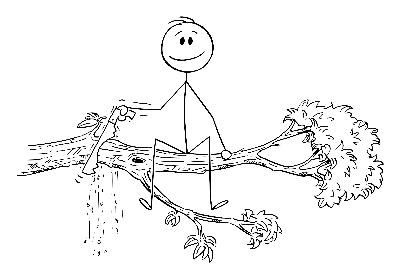
Typology's Paradox: How Classification Can Help and Harm
Description
Introduction to the Episode
Importance of understanding typology's paradox
How typology can be both helpful and harmful
Linda Berens and Olivier Caudron's roles in the episode
Overview of the episode's goals
The Paradox of Typology
Stable classification system analogy (pen, dog, chair)
Typology as a stable and accurate classification system
Distortion through shortcuts like "INTP"
Understanding Patterns
Designer Theorizer pattern
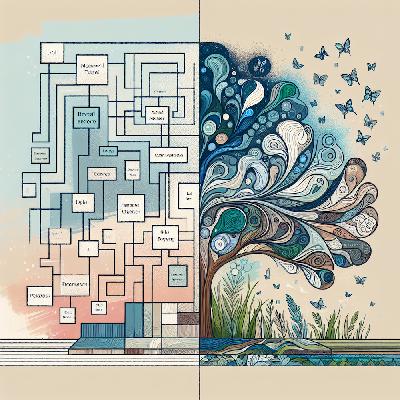
Broader patterns vs. narrow classifications
Misconceptions in typology classification
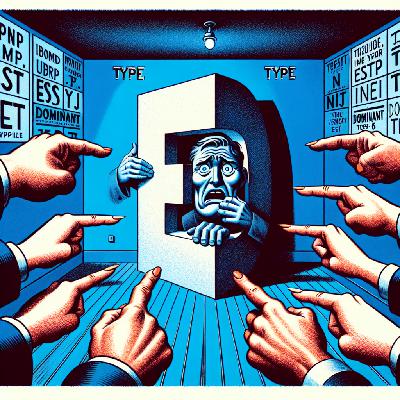
Pitfalls of Misclassification
Misleading labels ("such a P")
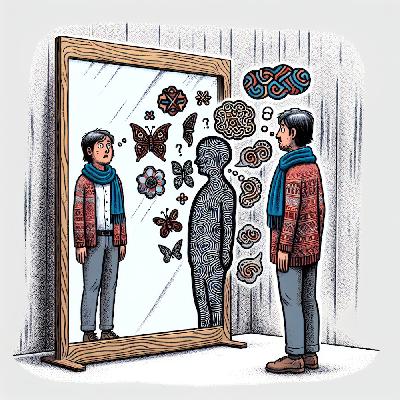
Harmful stereotypes and limitations
Typology's potential to cause psychological harm
Intricacies of Typology
Typology's role in interpersonal understanding
Empathy and perspective-taking
Typology as a useful but sensitive tool
Harmful vs. Helpful Typology
Anthropology and racial classification as a cautionary example
Essential qualities and core drivers
Typology's usefulness and potential for harm
Specific Typology Issues
Stereotypes like INTP vs. Theorist
Gender classification analogy
Temperament and personal observation
Application and Avoidance of Stereotypes
Practical advice on using typology
Differences between broad and specific aspects
Learning through holistic understanding and experience
Developing a Holistic View
Studying whole patterns rather than isolated traits
Recognizing type development
Avoiding limited perspectives
Conclusion and Practical Exercises
Summary of the paradox of typology
Exercises to understand and utilize typology effectively
Reflecting on useful terminology
Identifying harmful and helpful aspects of typology
Examining biases and judgments in type patterns
Developing a holistic view beyond MBTI descriptions
Resources and Further Learning
Suggestions for further reading and learning
Information about Interstrengths and Understanding Yourself and Others series booklets
Closing Remarks
Encouragement to expand knowledge beyond MBTI
Final thoughts on respecting human complexity through typology
This sequence captures the structure and major themes discussed throughout the podcast episode.












 United States
