


 Claim Ownership
Empirical Cycling Podcast
Subscribed: 251Played: 14,992
Subscribe

© All rights reserved
Description
Do you want to know how training makes you faster? Listen in. Kolie is a leading expert in endurance, sprint, and strength training for cyclists. Kyle is a NASA scientist and national champion sprinter on the track.
Empirical Cycling is a coaching company specializing in individualized training plans for all cycling disciplines. If you like the podcast, please consider a donation at http://www.empiricalcycling.com/donate.html
Empirical Cycling is a coaching company specializing in individualized training plans for all cycling disciplines. If you like the podcast, please consider a donation at http://www.empiricalcycling.com/donate.html
191 Episodes
Reverse
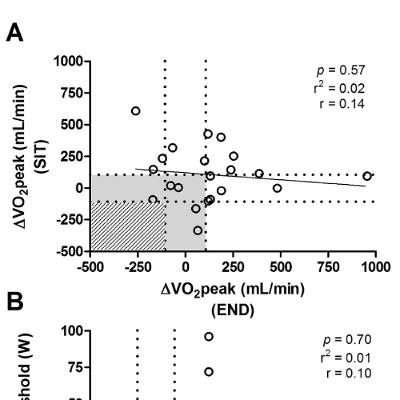
We tackle the ideas of unique responders, the role of performance variability in differentiating training response between individuals, pitfalls in interpreting typical individual response data, and the experimental setup required to actually tease these things apart. Then we walk through a couple easy principles to apply the takeaways in your own training.
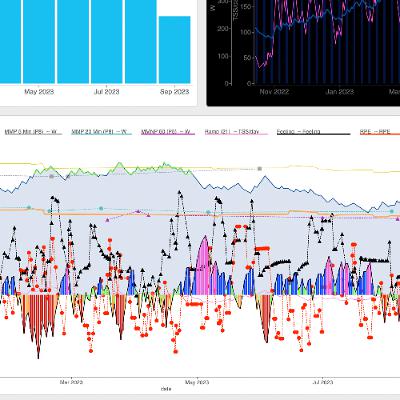
We talk about things we wish we knew earlier about training, racing, and coaching. Nutrition, skipping workouts, setting process goals, finding your strengths, athlete feedback, and more. We also find out what our listeners wish they had known sooner.
Following up from the last episode, our coaches dig into the balance between training stimulus and recovery capacity, with practical ways to diagnose which is a potential performance limiter. We also touch on low volume athletes, very well trained ones, overlapping stimuli, periodization, short and long term tradeoffs, and more.
We walk through an analysis done on almost 15,000 people with data up to nearly 7 years in length and after finding similar trends in Kolie's client and personal data, we apply what we can learn about diminishing returns to our training expectations, season planning, stimulus and recovery needs, our ultimate potential, and what it means for interpreting scientific literature.
Our coaches discuss what panic training is and how it manifests, common reasons for it to occur, ways to plan now to avoid falling into the trap, and ways to pivot before and even during panic training mode. We touch on all sorts of related topics like nutrition and panic dieting, setting milestones and assessing realistic goals, the impact of social media, and a couple ways to rethink training or goals to fit your season, plus answering your listener questions.
Our coaches dig into non-FTP related aspects of training and physiology that that lead to better race results, and workouts that can be done for each. We specifically consider road racing, criteriums, mountain bike and cyclocross, plus gravel and ultra racing, and a couple things to train that can easily apply to everything.
This episode we make our case for why endurance and recovery rides can and probably should be paced easier than expected, even for time crunched athletes. We look into the issues that can occur from riding too hard, then delve into physiology, power and heart rate zones, RPE calibration, fatigue and energy management, and more. Plus we answer your listener questions.
We take a deep dive into the published literature on durability. First a critical look at the paper coining the term, the next establishing a widely used measurement, and another on the definition and differentiation of several aspects of endurance performance. Then discussing aspects of measurement and trainability, plus the relative statistical strength in the literature vs typical interpretations. Finally some advice from coaching experience, and answering your listener questions.
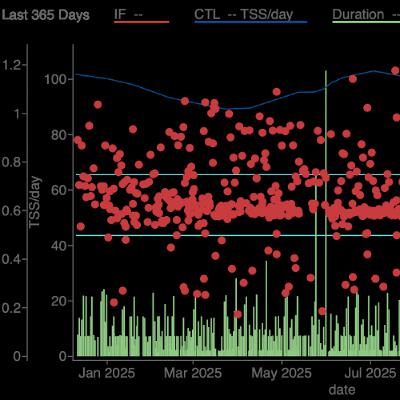
This is a critical look at how our coaches use data, like its use in creating a logical framework, the challenging parts of analytics and data in decision making, and how much "the science" can really inform our decision making. Plus we discuss the seeming need for heuristics over nuanced takes, the role of the scientific process in coaching, our favorite metrics, and answer your listener questions.
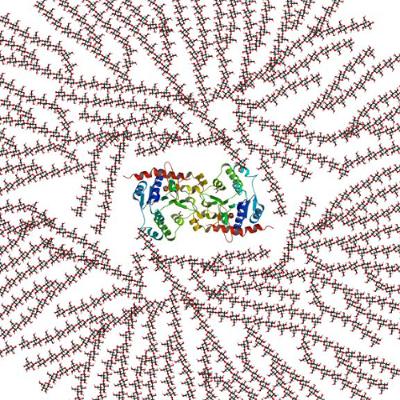
We dig into a recent study showing a disconnect between equal muscle glycogen recovery and unequal high intensity interval performance due to delayed recovery fueling, despite equal total calories. We start with some background on glycogen's structure and the importance of fueling before discussing the outcomes and conclusions of this double blind, placebo-controlled crossover study before speculating on mechanisms and potential applications to trained cyclists, and connect it to common current nutrition practices.
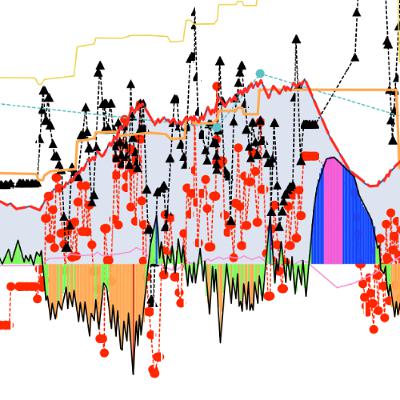
To celebrate over a million podcast listens we let you ask us anything, and we answered. You asked training questions about how we would refocus the US's cycling governing body, improving climbing, book suggestions, how long it takes to return to peak form, indoors vs outdoor duration equivalents, partial ROM lifts, if you need to be in a caloric surplus when training, tempo workouts, and more. We also answer more personal questions like our lift PRs and a game of FMK, music and food, plus updates on how and why our own training and competitive goals have shifted over the recent years.
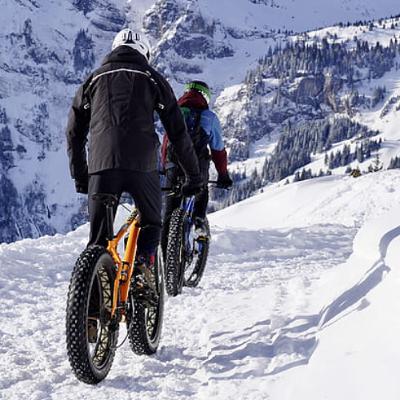
This episode addresses common questions about winter/off-season training, and goes into how we plan and individualize effective winter training. We answer questions like whether it be all "zone two", when and how to include strength training, if you should do intervals and how hard they can be, sweetspot vs polarized, incorporating fun rides or Zwift and other virtual racing, and more. We share our thoughts on what we actually consider when we're planning training for our coaching and consultation clients like off-bike stress, race schedule, fatigue management, training history and personal physiology, dealing with fitness loss and expectations for regain, plus we answer a bunch of listener questions!
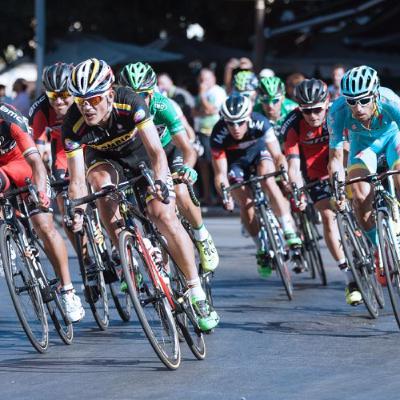
Coaches Kolie, Erica, and Gediminas talk about the most impactful training habits that cyclists can incorporate into their routines, and the ways that these habits can be overdone that end up working against us. We dig into consistency, nutrition quality, health consciousness, coaching relationships, focus, sleep, and more.
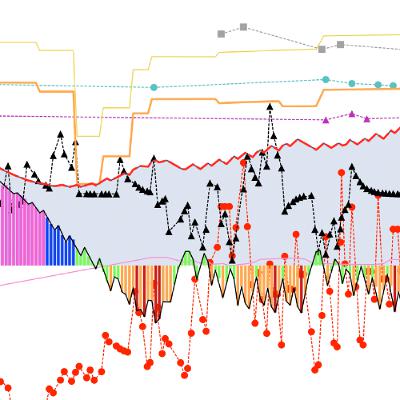
Our coaches address the common question of why your friend may be faster when doing less training than you, as well as why your experience level or race category probably doesn't indicate how much you should train. We look at the different returns on investment with training volume vs intensity, selection and survivor bias in cycling, a survey of power and training volume with racing cyclists in the US, and why comparison can be the thief of joy, but when it can be a useful tool for goal setting. We also answer your listener questions on genetics, time in zone progression, training time as a limiter, and more.
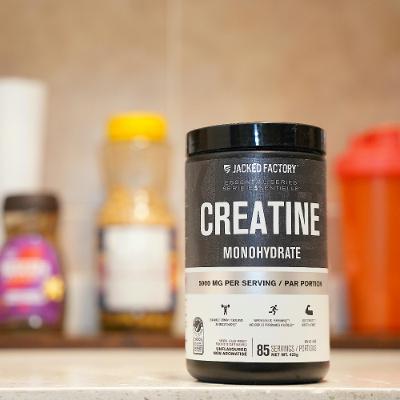
This episode is one of our deepest dives ever, into the literature on creatine's effects and tradeoffs with cycling performance, and how the results fare against Kolie's standard for being meaningful, noticeable, or measurable. Because individual studies report such varied results, we instead look at a meta analysis on creatine supplementation in aerobic performance, another on repeated sprints, plus a bonus study with a simulated road race. There's also a brief and explicitly non-expert look at a popular paper on creatine and cognition. Instead of recommending whether cyclists take creatine or not as a binary, we discuss the pros and cons, realistic expectations of effects, and in what cases we would consider supplementation. Plus your listener questions!
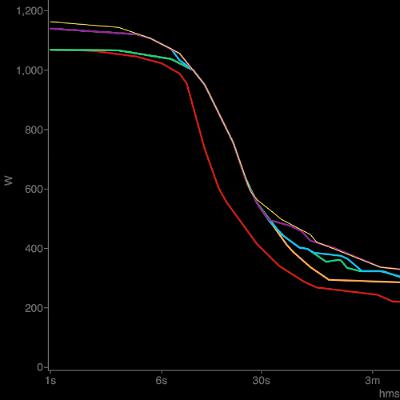
 1
1This episode we start with the old cycling adage "train your weaknesses, race your strengths" as the jumping off point to discuss strategies for diagnosing and training weaknesses in the off season. We decide for whom this would make sense as a strategy, the opportunity cost of training a weakness, low opportunity cost things to train, how race selection factors in, and much more.
This episode we look into the published literature on the surprisingly tight agreement between FTP and RPE and a couple different lab-derived measures of threshold like MLSS and critical power, along with the concept of anchoring. But first we get philosophical about how measurements often become definitions that can lose sight of our valid observations and experience. We wrap up by discussing FTP testing with RPE, plus answer your listener questions on RPE scales and anchors, RPE drift, common mistakes when using RPE, Borg's 6-20 vs 10 point scale, and much more.
This is a deep dive into four papers on hypertrophy and strength training, and use them to find guidelines around how cyclists can improve strength without gaining weight. We evaluate the stimulus and overall impact of eccentric vs concentric contractions, sets and reps, minimum dose for strength improvements, progressive overload, and nutrition.
We take a deep look at ten commonly used ways to test or estimate FTP, and dissect how and why each method does (or is supposed to) work, how often we might expect accurate result and who it'd be accurate for, and the Empirical Cycling standards for test accuracy. We also dig into some data on ramp test accuracy and bias, plus how anaerobic capacity, RPE, and daily fluctuations in performance can play a role in test results. Plus time in zone, %FTP, normalized power, lactate tests, the "Kolie Moore" test, and your listener questions on DFA-alpha1, eFTP, and more.
Our coaches sit down to discuss the downsides of using FTP as an anchor for many types of intervals, how your individual physiology can make those targets suboptimal for the best stimulus, and the many alternative approaches that we use instead. We dig into VO2max, anaerobic and sprint efforts, plus first threshold and endurance riding. Then we answer your questions on minimum effective dose, breaking out of a rut, assessing realistic targets, and more.


Download from Google Play

Download from App Store
 United States
8:14. 6 x 90 min zone 3?
there's no podcast to download????