


 Claim Ownership
The Storytelling Lab
Subscribed: 259Played: 4,289
Subscribe

© Rain Bennett
Description
The Storytelling Lab covers everything you need to know about personal and professional stories to leverage their power to deepen your connections, increase your sales + donations, and serve your audiences better with real-life examples and experts.
Hosted on Acast. See acast.com/privacy for more information.
224 Episodes
Reverse
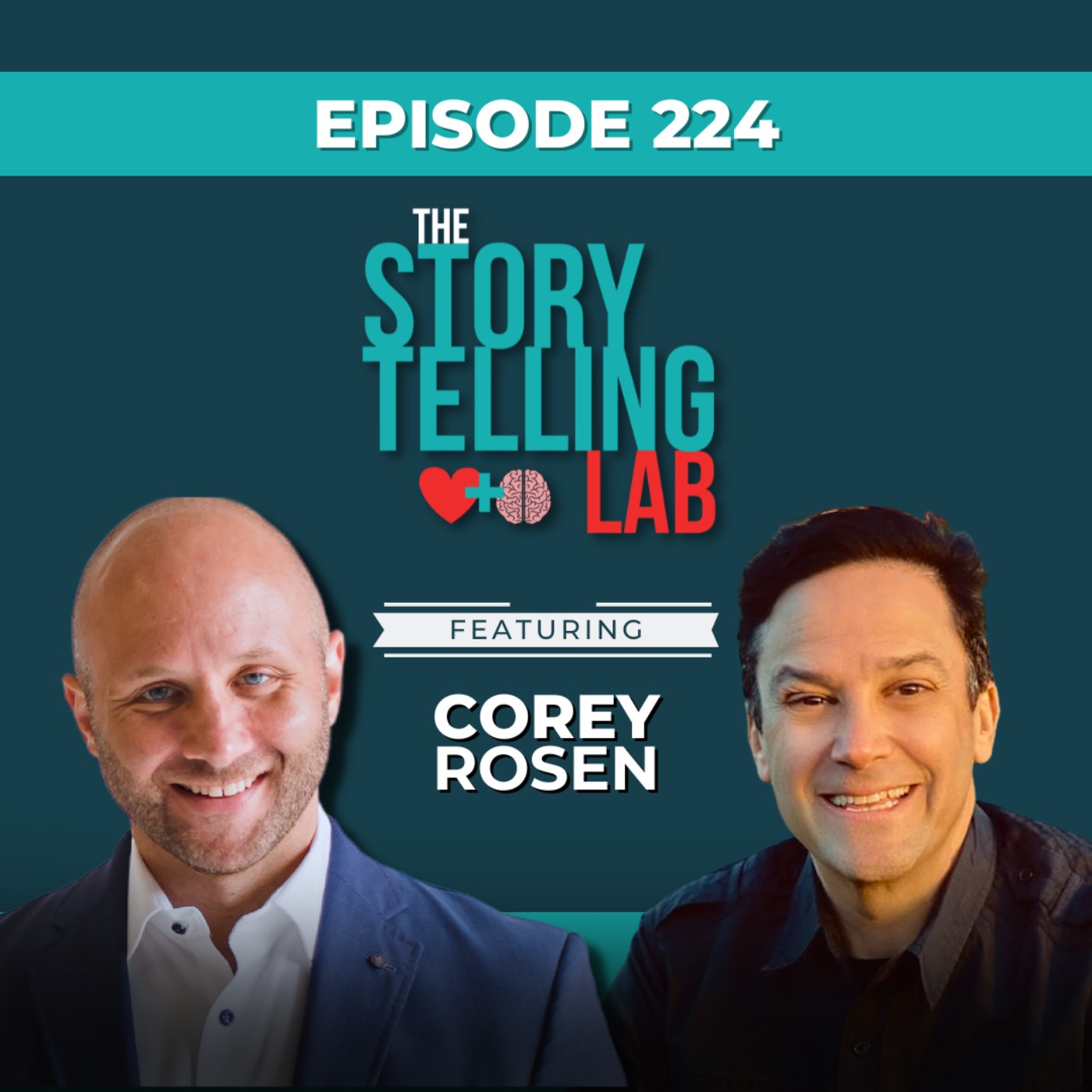
“When you start to look at things through the lens of story, it helps you appreciate and process what’s going on.” — Corey RosenWhat makes someone lean in when you tell a story instead of tune out? In this episode, Rain sits down with Emmy-nominated TV writer, Moth champion, and brand storytelling expert Corey Rosen to break down the real tactics behind stories that actually land. This is not a fluffy conversation about “storytelling matters.” It’s a practical deep dive into curiosity gaps, emotional stakes, visual detail, and the inner life that gives a story dimension.Corey shares how his background in comedy, television, and live storytelling shaped the way he now teaches stories for every occasion—from keynotes and investor pitches to eulogies, wedding toasts, and brand messaging. They also get into improv, theme parks, AI, and why the future belongs to people who can create connection, not just content.In this episode, you will learn to:Build curiosity early so people care about where your story is goingUnderstand the three elements that make stories feel vivid, human, and memorableUse storytelling to build trust before you try to persuade, pitch, or influenceReframe everyday experiences as story material by noticing what changed and why it matteredSee how storytelling skills transfer across live performance, brand communication, and businessFollow Corey Rosen on:Website → https://www.coreyrosen.comInstagram → https://www.instagram.com/storycoachcoreyLinkedIn → https://www.linkedin.com/in/coreyrosenstorycoachFor more storytelling tips and tricks:Visit → https://rainbennett.com and https://thestorytellinglabpodcast.comOr follow along at...TikTok → https://www.tiktok.com/@chiefstorytellingofficerTwitter → https://twitter.com/rainbennettInstagram → https://www.instagram.com/rainbennettFacebook → https://www.facebook.com/thestorytellinglabYouTube → https://www.youtube.com/@RainBennett Hosted on Acast. See acast.com/privacy for more information.
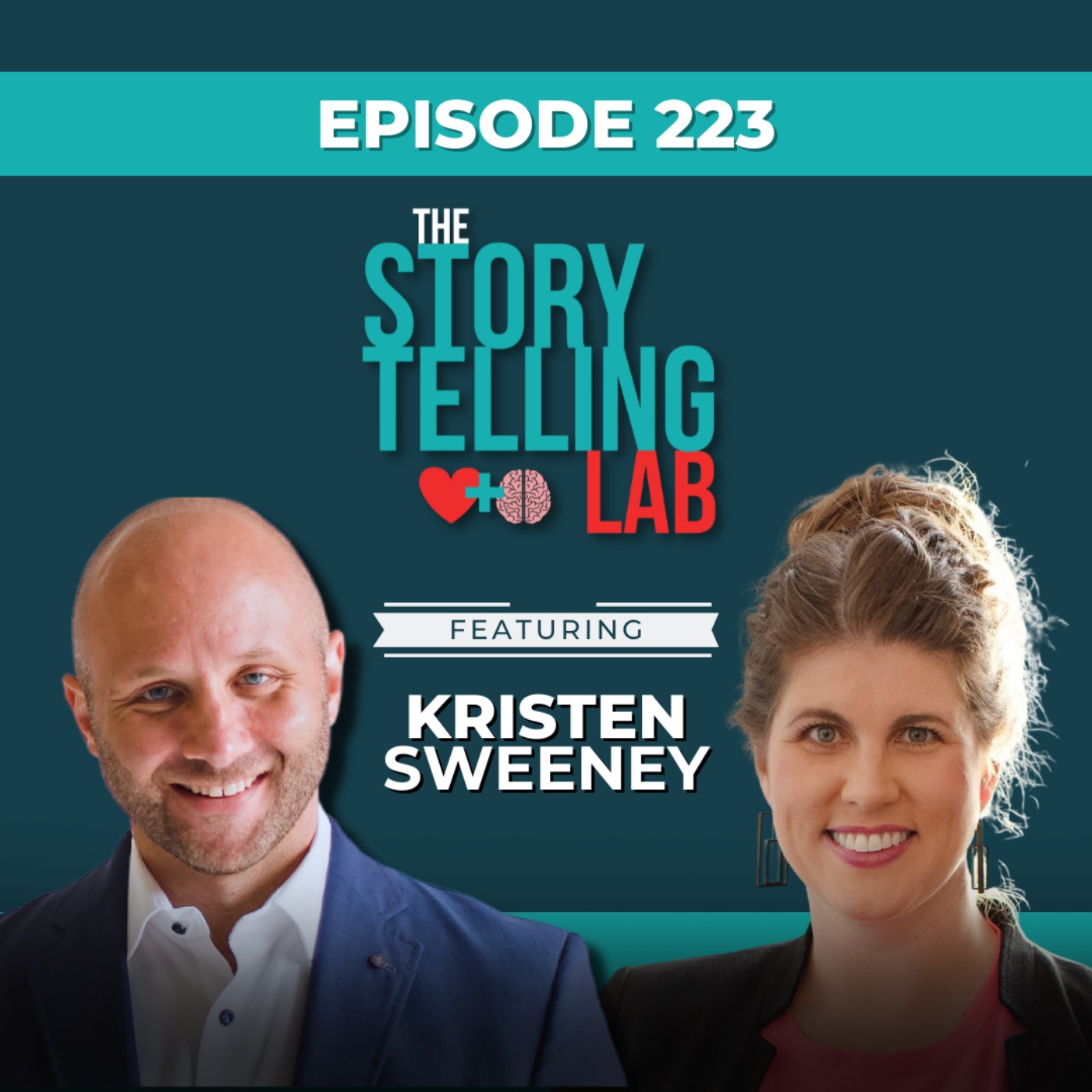
“You can’t even begin to talk about results or impact until you actually put something out into the world.” — Kristen SweeneyWhat if the real problem with your content isn’t execution, but alignment? In this episode, Kristen Sweeney, founder of Every Little Word, breaks down the invisible work behind great communication: messaging frameworks, internal clarity, operational discipline, and the codified point of view that most companies skip.We explore why B2B brands struggle to articulate what they actually believe, how regulated industries can differentiate without breaking compliance, and why thought leadership without a clear stance is just noise. Kristen also shares how her background in theater shaped her confidence in high-level conversations and why content operations, not just creativity, determine results. If your content feels scattered, generic, or reactive, this episode is your blueprint for fixing it at the foundation.In this episode, you will learn to:Clarify and codify your point of view before producing a single piece of contentExtract real insight from subject matter experts instead of settling for surface-level answersBuild messaging foundations that reduce friction across teams and client communicationDifferentiate in crowded B2B and regulated industries without sacrificing accuracyMove from informational content to perspective-driven leadershipFollow Kristen Sweeney:Website → https://www.everylittleword.comLinkedIn → https://www.linkedin.com/in/kristensweeneyFor more storytelling tips and strategies, visit:Website → https://rainbennett.comPodcast → https://thestorytellinglabpodcast.comOr follow along at:TikTok → https://www.tiktok.com/@chiefstorytellingofficerTwitter/X → https://twitter.com/rainbennettInstagram → https://www.instagram.com/rainbennettFacebook → https://www.facebook.com/thestorytellinglabYouTube → https://www.youtube.com/@RainBennett Hosted on Acast. See acast.com/privacy for more information.
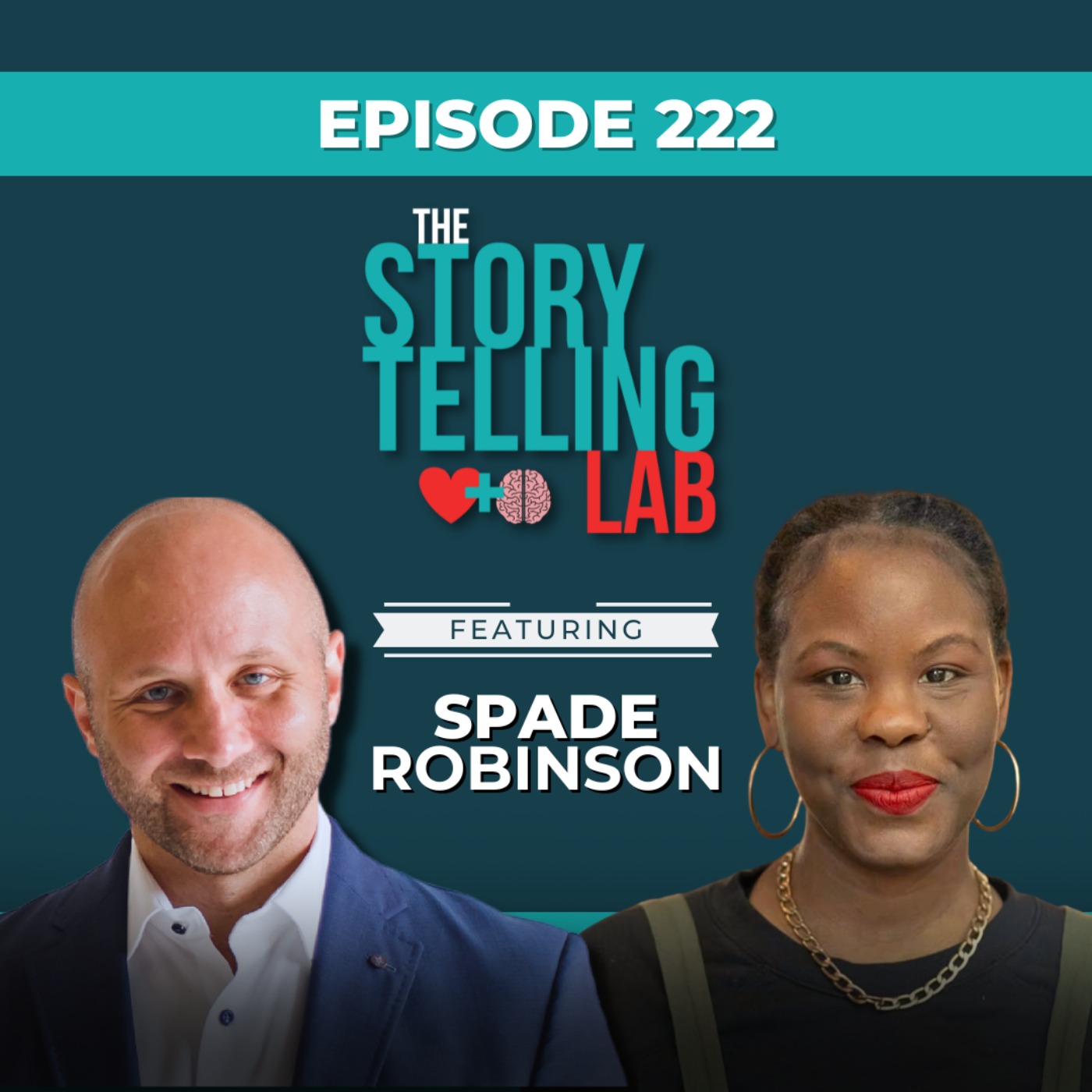
“There is no version of storytelling that does not become therapy.” — Spade RobinsonWhat if the difference between an average story and a great one has less to do with talent or skill and more to do with self-awareness? In this episode, screenwriter and story consultant Spade Robinson breaks down why structure isn’t the enemy of creativity—it’s the foundation that allows it to thrive. We explore how unforgiveness shows up on the page, why most writers avoid the emotional core of their work, and how discipline in story design eliminates writer’s block.Spade also shares hard-earned insights from Sundance and the development world about the changing industry, why writers must think of themselves as studios, and how short-form storytelling and brand partnerships may shape the next era of film. If you care about story craft, emotional truth, and building a sustainable creative career, this conversation will challenge you in all the right ways.In this episode, you will learn to:Strengthen your stories by confronting the internal human question driving themUse structure as a creative advantage rather than a limitationEliminate writer’s block by building a strong outline before draftingUnderstand art and commerce must work together in today’s industryPosition yourself as a creator-studio in an attention-driven economyFollow Spade Robinson on:Instagram → https://www.instagram.com/spaderobinsonLinkedIn → https://www.linkedin.com/in/spade-robinson-5588a231/Website → https://www.atlantafilmproject.com/And for more storytelling tips and tricks:Visit → https://rainbennett.com or https://thestorytellinglabpodcast.comOr, follow along at...TikTok → https://www.tiktok.com/@chiefstorytellingofficerTwitter → https://twitter.com/rainbennettInstagram → https://www.instagram.com/rainbennettFacebook → https://www.facebook.com/thestorytellinglabYouTube → https://www.youtube.com/@RainBennett Hosted on Acast. See acast.com/privacy for more information.
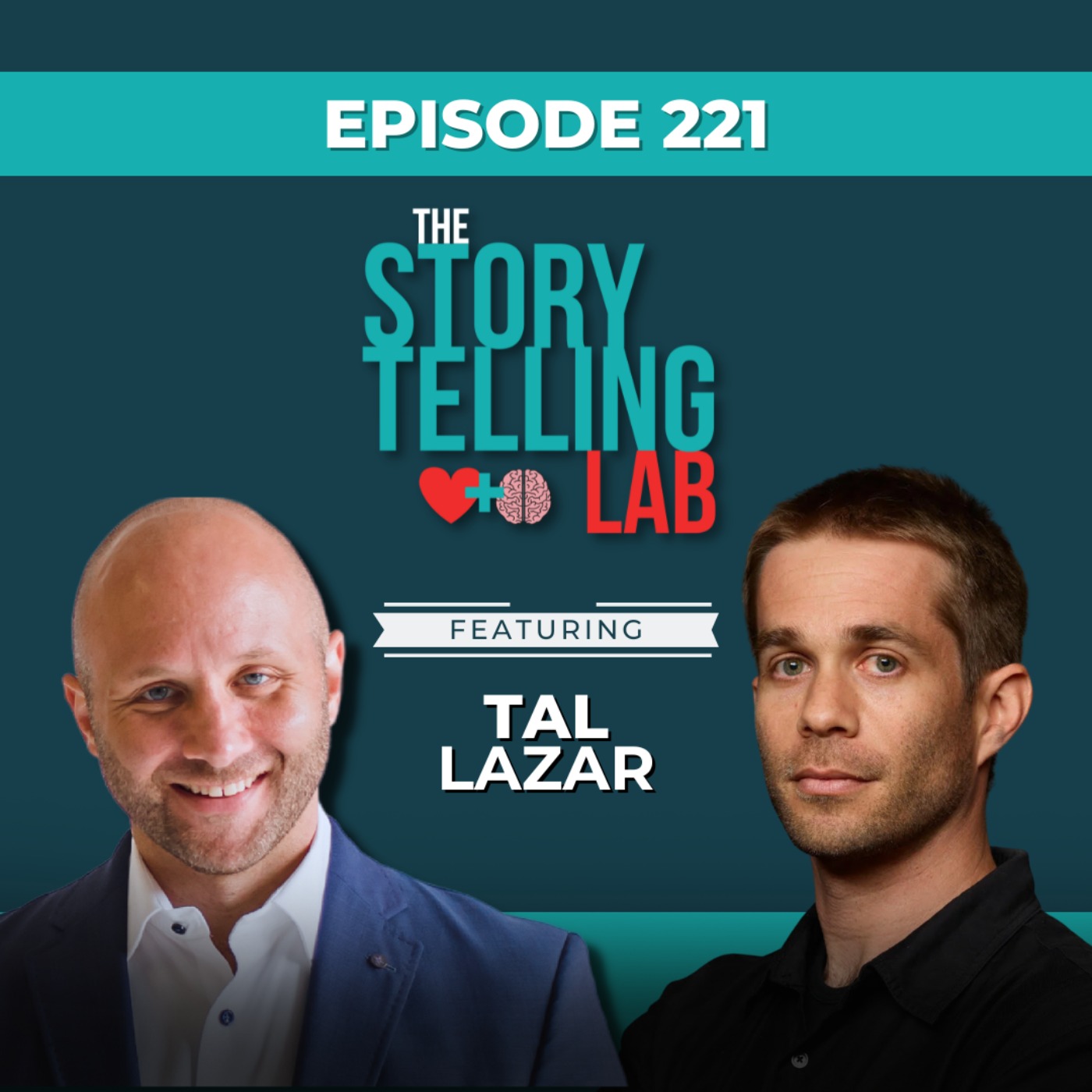
“The real story is always in the subtext.” — Tal LazarMost people lose their audience the moment they start explaining. In this episode, cinematographer, educator, and author Tal Lazar breaks down why the real story is always in the subtext, and why emotion beats information when you’re trying to persuade, pitch, teach, or lead. We talk about why leaders default to “feature lists,” how filmmakers create coherence across dozens of departments, and why there’s no such thing as a formula for “coverage” if you’re actually telling a story. The throughline is simple: focus on the transformation your audience wants, not the impressive details you’re tempted to showcase. If you’ve been chasing better tools, better tactics, or better talking points, this conversation will pull you back to the skill that makes everything else work.In this episode, you will learn to:Shift your messaging from “what it is” to the transformation it creates for your audience Use subtext intentionally so your communication lands emotionally, not just intellectually Spot the fear-driven habit of over-explaining and replace it with story-first clarity Lead like a director by creating one coherent interpretation across many moving parts Build cinematic impact with fewer resources by knowing what your audience is actually feeling 🔗 Follow Tal on:Instagram → https://www.instagram.com/talazarLinkedIn → https://www.linkedin.com/in/talazarWebsite → https://cinematicimpact.com📚 For more storytelling tips and tricks:Visit → https://rainbennett.comOr → https://thestorytellinglabpodcast.comTikTok → https://www.tiktok.com/@chiefstorytellingofficerTwitter → https://twitter.com/rainbennettInstagram → https://www.instagram.com/rainbennettFacebook → https://www.facebook.com/thestorytellinglabYouTube → https://www.youtube.com/@RainBennett Hosted on Acast. See acast.com/privacy for more information.
“Vision is what inspires your people. Mission is what activates and organizes them.” —Rain BennettWhat good is a bold vision if you don’t have a mission to back it up? In this solo episode, Rain Bennett breaks down why mission is the most misunderstood and most essential piece of a brand’s storytelling system. Using examples from WeWork’s collapse and Airbnb’s legendary collaboration with Pixar, Rain explains how to turn abstract ideas into real-world action through a story-driven mission.If your company struggles to align teams, inspire customers, or scale with clarity, the problem may not be your vision. It may be the lack of a narrative-driven mission. This episode will teach you how to build one that works, aligns, and lasts.In this episode, you will learn to:Find the gap between vision and mission that leads to brand driftCraft a mission that functions like a plotline for your businessAlign internal teams and stakeholders around a shared narrativeUse customer journey mapping as a story structureTranslate lofty goals into repeatable action through story📚 For more storytelling tips and tricks:Visit → https://rainbennett.comOr → https://thestorytellinglabpodcast.comOr following along on...TikTok → https://www.tiktok.com/@chiefstorytellingofficerTwitter → https://twitter.com/rainbennettInstagram → https://www.instagram.com/rainbennettFacebook → https://www.facebook.com/thestorytellinglabYouTube → https://www.youtube.com/@RainBennett Hosted on Acast. See acast.com/privacy for more information.
“Your stories are building bricks of belief in your brand." — Shane LukasHow do you sell something your customer can’t see, touch, or fully understand?Shane Lukas has spent decades helping professional service providers do exactly that by using story as a tool to create trust, clarity, and emotional resonance.In this episode, Rain and Shane explore how narrative makes “invisible” value tangible. From accountants and coaches to consultants and creatives, anyone who delivers a process or service will benefit from Shane’s simple but powerful storytelling framework.Together, they discuss the importance of transformation-driven messaging, the psychology of pre-sale belief, and how to guide your prospects with authentic case studies that show, not just tell, what you really do. This is a masterclass in making your message matter.In this episode, you will learn to:Sell intangible services by framing the emotional outcome, not the technical detailsGuide potential clients through stories that build trust before you pitchUse transformation case studies to prove your value without oversellingUnderstand why people buy with emotion, not logic—even in B2BReframe your sales process as a storytelling journey🔗 Follow Shane on:Instagram → https://www.instagram.com/agreatideaWebsite → https://www.agreatidea.comLinkedIn → https://www.linkedin.com/in/shane-lukas/📚 And for more storytelling tips and tricks:Visit → https://rainbennett.com or https://thestorytellinglabpodcast.comOr follow...TikTok → https://www.tiktok.com/@chiefstorytellingofficerTwitter → https://twitter.com/rainbennettInstagram → https://www.instagram.com/rainbennettFacebook → https://www.facebook.com/thestorytellinglabYouTube → https://www.youtube.com/@RainBennett Hosted on Acast. See acast.com/privacy for more information.
“Everybody in your organization has to be aligned… or it all starts to break down.” — Jensen SavageIf you’ve been muscling your way through growth and wondering why it still feels so hard, this episode is for you.Jensen Savage, founder of Savage Growth Partners, breaks down the true cause of stagnation in business: misalignment.In this conversation, we explore why brute force can’t scale and how systematizing your customer journey can unlock powerful, sustainable growth. Jensen and Rain dig into the often-ignored “connective tissue” between marketing, sales, and operations and show how storytelling is more than messaging and communication—it’s infrastructure.Whether you're a founder, marketer, or small business owner, this episode will help you rethink what’s actually holding you back.In this episode, you will learn to:Understand why growth stalls even when you’re doing everything “right”Uncover the unseen gaps in your customer journey that silently kill momentumMap your marketing to metrics that matter most for service-based businessesBuild systems that turn handoffs into high-performance linksUse story-driven alignment to unify your brand from sales to operations🔗 Follow Jensen on:Instagram → https://www.instagram.com/savagegrowthpartnersLinkedIn → https://www.linkedin.com/in/jensensavageWebsite → https://savagegrowthpartners.com📚 For more storytelling tips and tricks:Visit rainbennett.com or thestorytellinglabpodcast.com, orFollow...TikTok → https://www.tiktok.com/@chiefstorytellingofficerTwitter → https://twitter.com/rainbennettInstagram → https://www.instagram.com/rainbennettFacebook → https://www.facebook.com/thestorytellinglabYouTube → https://www.youtube.com/@RainBennett Hosted on Acast. See acast.com/privacy for more information.
“Every time you press upload, you’re telling the universe this is your part in the grand scheme.” — Elton Anderson, Jr.What if your content wasn’t just a creative outlet, but a mirror for your transformation? In this episode, Rain Bennett sits down with Elton Anderson—a photographer, storyteller, and founder of L10 Media—for a deep, vulnerable conversation on using storytelling to break free of the algorithm, let go of outdated identities, and build a media platform rooted in purpose.Elton shares his own creative pivot, leaving behind a successful photography career and embracing a new chapter built around authenticity, micro media ownership, and spiritual self-alignment.Together, they explore how to attract the right audience by showing up fully as yourself, why resistance is a sign you’re on the right path, and how to build a life and career that flow from the inside out. If you're multi-passionate, burned out by content trends, or questioning how to evolve in public, this episode will show you that your shadow isn’t something to fear—it’s where your story begins.In this episode, you will learn to:Embrace identity shifts as part of your creative evolutionFind your unique voice through consistent, imperfect actionUse storytelling as a tool to connect with others and yourselfBuild a micro media company around your personal purposeReframe resistance as a signal that you're on the right pathFollow Elton on:InstagramTikTokor visit his website, HERE! And for more storytelling tips and tricks,Visit rainbennett.com or thestorytellinglabpodcast.comFollow on TikTok @chiefstorytellingofficerFollow on Twitter @rainbennettFollow on Instagram @rainbennettFollow on Facebook @thestorytellinglab Subscribe to the YouTube Channel Hosted on Acast. See acast.com/privacy for more information.
“If your company doesn’t know the story that it’s helping to tell, no marketing campaign is going to save you.” — Rain BennettMost businesses mistake their vision for a quarterly goal or a financial target, but that’s not a story anyone wants to join.In this solo episode, Rain Bennett unpacks the critical difference between vision and mission, showing how your vision acts as the narrative North Star for your entire brand. Rain shares a clear, actionable framework based on Simon Sinek’s “Just Cause” model and explains how the best visions are resilient, inclusive, and service-oriented.Through two powerful case studies—Patagonia and The People’s Game—Rain illustrates how a well-crafted vision can guide every part of your business, from branding to product development to internal culture.If you’ve ever struggled to articulate why your company exists beyond just making money, this episode gives you the foundation to start telling a story that actually matters.In this episode, you will learn to:Define a brand vision that is resilient, inclusive, and service-orientedAlign your team and decisions around a single, powerful storyAvoid the common mistakes that make most vision statements meaninglessUse real-world case studies to guide your own storytelling strategyCraft a vision that inspires belief, not just activityFor more storytelling tips and tricks,Visit rainbennett.com or thestorytellinglabpodcast.comFollow on TikTok @chiefstorytellingofficerFollow on Twitter @rainbennettFollow on Instagram @rainbennettFollow on Facebook @thestorytellinglab Subscribe to the YouTube Channel Hosted on Acast. See acast.com/privacy for more information.
“I was made from mistakes. I was promoted, protected, loved, and perfected by them.” — David MeltzerAfter losing $100 million and hitting rock bottom, David Meltzer rebuilt his life and his business around a mission to empower over 1 billion people to be happy.In this episode, Rain Bennett sits down with David to explore how storytelling became the vehicle for that transformation.David opens up about the bankruptcy he once hid from the world, the emotional healing that followed, and the new definition of success that changed everything. They talk about the myth of “give more, get more,” the strategic use of vulnerability, and how to build a brand rooted in service and joy.If you’ve ever struggled to see the upside in your darkest moments, this conversation will show you how to flip the script and turn your pain into purpose.In this episode, you will learn to:Reframe failure as the foundation for your most powerful storyCreate a happiness-driven business model that serves and scalesEmbrace vulnerability to build real trust and connectionShift from ego-based identity to a mission-based lifeTeach your team to lead with empathy, clarity, and consistencyFollow David on:LinkedInInstagramTikTokYouTubeor pre-order his new book, HERE! And for more storytelling tips and tricks,Visit rainbennett.com or thestorytellinglabpodcast.comFollow on TikTok @chiefstorytellingofficerFollow on Twitter @rainbennettFollow on Instagram @rainbennettFollow on Facebook @thestorytellinglab Subscribe to the YouTube Channel Hosted on Acast. See acast.com/privacy for more information.
“It’s not just about keeping the lights on—it’s about building a relationship with the people at the end of the line.” — Krystal Phillips, JO-EMCStorytelling isn’t just for trendy brands or startups.In this episode, Rain sits down with Krystal Phillips, Communications and Community Relations Manager at Jones-Onslow EMC, to explore how a rural electric co-op built a storytelling culture that would rival any big tech brand.Krystal reveals the behind-the-scenes thinking that led a utility company to invest in heartfelt video stories, internal leadership programs, and community-first content. Together, they unpack how to measure storytelling ROI when you can’t rely on sales, how buy-in from leadership transforms culture, and why authenticity matters more than production value.This episode is a must-listen for anyone working in “unsexy” industries who wants to make storytelling their competitive advantage.In this episode, you will learn to:Harness storytelling as a strategic tool, even in “boring” or highly regulated industriesBuild team buy-in by grounding your strategy in community and trustEstablish internal programs that create a pipeline of storytellers inside your organizationHumanize your brand with stories that foster empathy and emotional connectionMeasure the real ROI of storytelling beyond dollars and metricsFollow Krystal on:LinkedInInstagramor visit the JO-EMC website, HERE!And for more storytelling tips and tricks,Visit rainbennett.com or thestorytellinglabpodcast.comFollow on TikTok @chiefstorytellingofficerFollow on Twitter @rainbennettFollow on Instagram @rainbennettFollow on Facebook @thestorytellinglab Subscribe to the YouTube Channel Hosted on Acast. See acast.com/privacy for more information.
“A shared narrative means everyone in the organization is speaking about the story in the same way.” — Salvatore ManziIf every person on your team is telling a different version of your brand story, you don’t have a marketing problem—you have a clarity crisis.In this episode, communication strategist and author Salvatore Manzi joins Rain to break down how to build a shared narrative that aligns everyone in your organization.From CEOs to customer service reps, consistency in storytelling builds trust, clarity, and emotional resonance. Salvatore shares actionable frameworks for clear and compelling communication, how to blend personal and brand narratives, and why metaphors are essential tools for influence.Whether you're leading a nonprofit or a global brand, this episode will sharpen your storytelling and unify your message.In this episode, you will learn to:Align your entire team behind a unified narrative that eliminates confusionUse storytelling frameworks to turn complex data into meaningful messagesBuild trust with audiences by integrating vulnerability into your leadership voiceAvoid common communication pitfalls in both nonprofits and STEM-driven businessesApply the “problem, process, outcome” structure to make your stories more actionableFollow Salvatore on:LinkedInInstagramor visit his website, HERE!And for more storytelling tips and tricks,Visit rainbennett.com or thestorytellinglabpodcast.comFollow on TikTok @chiefstorytellingofficerFollow on Twitter @rainbennettFollow on Instagram @rainbennettFollow on Facebook @thestorytellinglab Subscribe to the YouTube Channel Hosted on Acast. See acast.com/privacy for more information.
“A message map is the most underutilized resource for marketers.” — David EbnerWhat if the reason your marketing isn’t working has nothing to do with the content itself, but everything to do with the foundation it’s built on?In this episode, Rain sits down with David Ebner, founder of Content Workshop and one of the clearest voices in content strategy, to unpack why most brand storytelling falls flat. They explore the concept of the message map, how to build a storytelling system that scales, and why trust is the most important marketing metric you’re probably not tracking.David also opens up about how his background in creative writing fuels his approach to business storytelling, what metrics actually matter, and how emotion creates longevity in brand relationships.Whether you're a solopreneur or scaling a team, this episode will challenge the way you think about content and give you a smarter path forward.In this episode, you will learn to:Apply the power of a message map to bring structure and purpose to your contentUse storytelling as a system, not just a one-off tacticRethink your marketing metrics and focus on what truly builds trustLeverage long-form cornerstone content to fuel your daily outputAvoid burnout by shifting from production obsession to strategic clarityFollow David on:LinkedInor visit the Content Workshop website, HERE!And for more storytelling tips and tricks,Visit rainbennett.com or thestorytellinglabpodcast.comFollow on TikTok @rainbennett.storyellerFollow on Twitter @rainbennettFollow on Instagram @rainbennettFollow on Facebook @thestorytellinglab Subscribe to the YouTube Channel Hosted on Acast. See acast.com/privacy for more information.
“The shortest distance between two souls is a story.” — Aaron CalafatoAaron Calafato doesn’t just teach storytelling—he lives it. In this episode, we dive into what it really means to lead with story, both as an artist and a business strategist. Aaron shares how he built an audience (and a business) by showing up authentically and consistently, telling personal stories that are never just about him. We discuss the fine line between self-expression and self-indulgence, how personal narratives can unlock professional growth, and why he refuses to monetize his podcast Seven Minute Stories. This conversation is full of heart, humor, and hard-earned wisdom for anyone trying to build trust through story.In this episode, you will learn to:Identify the differences between storytelling as a gift and storytelling as a performanceUse personal stories to create trust, not just attentionBalance art and business while staying true to your valuesBuild long-term brand equity through consistent storytellingAvoid the trap of trying to be “cool” when what people really want is connectionFollow Aaron on:YouTubeInstagramor listen to his show, Seven Minute Stories, HERE!And for more storytelling tips and tricks,Visit rainbennett.com or thestorytellinglabpodcast.comFollow on TikTok @rainbennett.storyellerFollow on Twitter @rainbennettFollow on Instagram @rainbennettFollow on Facebook @thestorytellinglab Subscribe to the YouTube Channel Hosted on Acast. See acast.com/privacy for more information.
“A story is a single arc of transformation. A narrative is the thread that connects them all.” — Rain BennettMost businesses think their biggest challenge is marketing. But what if the real issue is story misalignment?In this solo episode, Rain Bennett introduces the Narrative Operating System—a strategic framework designed to bring your brand's stories into alignment across every department: from vision and mission to product, marketing, advertising, and sales.This isn't just a branding tool. It’s a storytelling system that ensures your internal culture and external messaging work in harmony.Rain breaks down each layer of the system and shows how companies can create a brand people don’t just buy from, but they believe in.You’ll learn why most teams default to their own version of the story, how that causes confusion and erodes trust, and how the Chief Storytelling Officer role solves that. If you’ve ever felt like your message was scattered or your content inconsistent, this episode gives you a clear roadmap to fix it for good!In this episode, you will learn to:Align every department with one cohesive brand narrativeBuild a storytelling system that fuels marketing, product, and salesUnderstand the difference between story and narrative—and why it mattersUse narrative to drive consistency, connection, and long-term loyaltyEmbrace the CSO role as the protector of your brand’s story DNAFor more storytelling tips and tricks,Visit my website rainbennett.com or thestorytellinglabpodcast.comFollow me on TikTok @rainbennett.storyellerFollow me on Twitter @rainbennettFollow me on Instagram @rainbennettFollow me on Facebook @thestorytellinglab Subscribe to my Youtube Channel Hosted on Acast. See acast.com/privacy for more information.
“If it makes me curious, then maybe it’ll make someone else curious, too.” — Patrick HicksWhat started as a 30-day content challenge became a storytelling movement powered by rock, raw honesty, and curiosity.In this episode of The Storytelling Lab, Rain Bennett speaks with Patrick Hicks, creator of a viral TikTok account (@patrickhicksmusic), where he tells the stories behind the songs that shaped our lives. With over half a million followers and a growing book project, Patrick has built a creator career that feels authentic, soulful, and sustainable.They discuss how Patrick’s background in marketing, music, and punk DIY culture gave him the tools to grow his audience without losing his voice. You’ll hear how he balances content creation with a full-time job, why he never polishes his videos, and how he structures stories to connect emotionally—without chasing algorithms.This episode is a masterclass in following your curiosity, honoring your influences, and building something meaningful on your own terms.In this episode, you will learn to:Turn a simple idea into a large, loyal audience by following your own curiosityTell better stories by pairing emotional narratives with musical memoryStructure short-form content that resonates without being overproducedBuild trust and authenticity by leaning into your quirks and imperfectionsBalance creative pursuits with real life while still growing your platformFollow Patrick on:TikTokInstagramor subscribe to his Substack here!And for more storytelling tips and tricks,Visit rainbennett.com or thestorytellinglabpodcast.comFollow on TikTok @rainbennett.storyellerFollow on Twitter @rainbennettFollow on Instagram @rainbennettFollow on Facebook @thestorytellinglab Subscribe to the YouTube Channel Hosted on Acast. See acast.com/privacy for more information.
"Interviewing is not about taking something—it's about helping them be more of who they are." — Wil WeldonWhat if the key to more powerful storytelling lies not in your editing skills—but in your ability to deeply listen?In this soul-stirring episode, Rain Bennett talks with Wil Weldon, a video journalist, former massage therapist, and Reiki practitioner who’s developed a holistic approach to interviewing called Heart-Forward Storytelling.They dive into Wil’s new book INNERviewing: Heart-Forward Storytelling and Holistic Communication, which teaches storytellers, coaches, marketers, and everyday humans how to create space for transformational conversations. You’ll learn how principles of energy transfer, intention, and trust can improve your interviews—not just on camera, but in life.From family storytelling to trauma-informed listening, this episode reminds us that storytelling is more than performance—it's connection at its deepest level.In this episode, you will learn to:Create deeper interviews by minimizing your ego and agendaApply Reiki-inspired principles to your communication processBuild trust and energy in storytelling relationships without manipulationPreserve your family’s legacy through intentional, heart-centered conversationsRedefine interviewing as a collaborative, healing experience—not an extractive oneFor more storytelling tips and tricks,Visit rainbennett.com or thestorytellinglabpodcast.comFollow on TikTok @rainbennett.storyellerFollow on Twitter @rainbennettFollow on Instagram @rainbennettFollow on Facebook @thestorytellinglab Subscribe to the YouTube Channel Hosted on Acast. See acast.com/privacy for more information.
"I wanted each character to be complex enough and sympathetic enough that there's some deep reason you could identify in yourself." — Elizabeth LoHow do you tell a story that's intimate, ethically complicated, and rooted in real-life secrecy—without exploiting your subjects?In this episode, Rain Bennett speaks with acclaimed documentary filmmaker Elizabeth Lo, director of Mistress Dispeller, one of the most talked-about films this year.The film follows a professional “mistress dispeller” in China hired to break up extramarital affairs on behalf of betrayed spouses—yes, it’s exactly what it sounds like.Elizabeth opens up about how she gained the trust of real people in real love triangles, how she balanced empathy with narrative clarity, and how she created emotional tension through stillness instead of sensationalism.They discuss ethical gray areas, building documentaries without control, and letting stories unfold naturally while still crafting a cohesive arc. If you’re a nonfiction filmmaker or just someone interested in telling hard stories with humanity, this episode is a must-listen.In this episode, you will learn to:Earn the trust of documentary subjects by building long-term, authentic relationshipsLet stories unfold naturally instead of forcing a narrative structureNavigate ethical storytelling with sensitive, real-world materialUse stillness and silence to create emotional tensionAlign your personal values with the stories you choose to tellFor more storytelling tips and tricks,Visit rainbennett.com or thestorytellinglabpodcast.comFollow on TikTok @rainbennett.storyellerFollow on Twitter @rainbennettFollow on Instagram @rainbennettFollow on Facebook @thestorytellinglab Subscribe to the Youtube Channel Hosted on Acast. See acast.com/privacy for more information.
“A story is a singular arc of transformation. A narrative is the thread that ties all your stories together.” — Rain BennettIs telling your brand story enough to build a loyal audience?In this episode, Rain Bennett breaks down the essential but often misunderstood difference between brand story and brand narrative. While most marketers focus on crafting engaging stories, Rain explains why the real secret to lasting brand trust lies in building a clear, consistent narrative thread that connects everything you do, from vision to product to marketing and sales.He uses powerful metaphors—from Hamilton to the Bible to Christmas lights—to help you see the structure of your storytelling system in a new way.You’ll also learn how the Chief Storytelling Officer is the guardian of that narrative, ensuring every department speaks in harmony. If you’ve ever felt like your content is scattered or your message is missing the mark, this episode will show you how to realign your storytelling, as well as your business.In this episode, you will learn to:Distinguish between brand story and brand narrative—and why both are essentialUse narrative as a strategic compass for every department in your businessBuild trust and loyalty by aligning all stories under one cohesive threadCreate a system (not just content) to sustain long-term brand impactStep into the Chief Storytelling Officer role and protect your narrative across platformsFor more storytelling tips and tricks,Visit my website rainbennett.com or thestorytellinglabpodcast.comFollow me on TikTok @rainbennett.storyellerFollow me on Twitter @rainbennettFollow me on Instagram @rainbennettFollow me on Facebook @thestorytellinglab Subscribe to my Youtube Channel Hosted on Acast. See acast.com/privacy for more information.
“If you're not leaning into your own abracadabra, you're leaving your competitive advantage on the table.” says magician and marketer, Jimi Gibson.What if storytelling wasn’t just about clever hooks or flashy content—but instead about casting spells that transform how people feel and act?In this episode, Rain sits down with Jimi Gibson, a marketing strategist, TEDx speaker, and lifelong magician, to explore the deep parallels between magic and storytelling. Jimi shares how the neuroscience behind awe, attention, and trust can be reverse-engineered into any brand message or business interaction.He even performs a mind-blowing magic trick live on the show—proving firsthand how story structure mirrors a magic trick’s setup, curiosity, and climax.Whether you’re a founder, marketer, or content creator, this episode reveals how to tap into your own “abracadabra” and use it to spark genuine human connection.In this episode, you will learn to:See storytelling as a biological sequence of connection, curiosity, and closureUse the magician’s mindset to build anticipation and deliver transformationApply the three-part structure of a magic trick to your content and copywritingTranslate your personal quirks into brand authenticity and visibilityReframe timing as a tool for trust—not just attentionFor more storytelling tips and tricks,Visit my website rainbennett.com or thestorytellinglabpodcast.comFollow me on TikTok @rainbennett.storyellerFollow me on Twitter @rainbennettFollow me on Instagram @rainbennettFollow me on Facebook @thestorytellinglab Subscribe to my Youtube Channel Hosted on Acast. See acast.com/privacy for more information.

Comments

Download from Google Play

Download from App Store
 United States