


Sustainable Tea with Shreya
Subscribed: 3Played: 50
Subscribe

© Sustainable Tea
Description
If you’re here to challenge the norm, welcome to Sustainable Tea with Shreya. This isn’t your usual feel-good podcast—it’s where we spill the truths others won’t touch. We dive into topics that make people uncomfortable, even when they’re unpopular. This space amplifies voices that have been silenced and shines a light on issues shaping our world and future.
We’re not here because sustainability is trendy—we’re here because it isn’t. If you’re ready for bold takes, unapologetic conversations and the courage to question it all, hit subscribe. Change starts here, and we’re just getting started!
We’re not here because sustainability is trendy—we’re here because it isn’t. If you’re ready for bold takes, unapologetic conversations and the courage to question it all, hit subscribe. Change starts here, and we’re just getting started!
82 Episodes
Reverse

Saurabh Netravalkar joins Sustainability with Shreya for a conversation that flips the usual script on fitness, masculinity, and what it actually means to be strong. A fast left arm bowler and international cricketer for Team USA, he also codes full time as a software engineer at Oracle, and he does it all powered by a whole food plant based lifestyle. Instead of giving generic motivation, Saurabh breaks down the real system behind his balance: complete focus when it is time to perform, clean context switching when it is time to work, and the kind of disciplined routine that makes consistency feel inevitable rather than heroic.The episode goes deeper than diet tips. Saurabh shares how his shift started with health and performance, then became rooted in yoga, ahimsa, and a brutally honest look at personal hypocrisy. He talks about the early transition phase most people hide, the mock meat phase, the awkward social questions, and the moment the “why” finally locks in. From there, the discussion expands into the psychology behind resistance to veganism and why people defend what they already know, even when something inside them senses it is wrong. The result is not a moral lecture, it is a model for how clarity changes behavior.Practicality stays front and center: what he eats, how he trains, how he travels, how he handles B12 and D3, and how he approaches plant based parenting with his wife and their young daughter. The conversation also widens into the less obvious parts of the supply chain, from sports equipment to everyday products, and why cruelty is often hidden in plain sight. By the end, Saurabh connects sustainability to dharma, not as a belief, but as a way of living in harmony with nature, seeing the self in everything, and letting right action follow naturally. This is for athletes, busy professionals, and anyone who wants performance and peace without outsourcing ethics to convenience.Timestamps-0:00 Cricketer and software engineer dual life1:30 Vegan diet and athletic performance3:00 Managing cricket with a full time tech job5:10 Daily routine of an elite athlete8:15 Why I switched to a vegan diet12:10 High performance plant based diet26:15 Fitness, recovery, and stamina results1:01:30 Sustainability, dharma, and life philosophyWhere bold ideas meet brewed conversations. ☕ Sustainable Tea with Shreya is India’s biggest sustainability podcast, hosted by climate communicator and plant based lifestyle advocate Shreya Ghodawat. In each episode, we sit down with change makers across the globe, think climate scientists, clean-tech innovators, chefs, ethical fashion founders, indigenous leaders, and more, talking about everything that matters in a bid to live better. This is a space for curious minds and conscious conversations. For people who care, question, and want to understand what sustainability looks like in the real world, from policy to personal choices. If you're done with surface-level conversations and want to hear us spill the tea on how everyday choices connect to change the impact. Pull up a chair, sip on your favourite brew, and explore insights that move the needle.
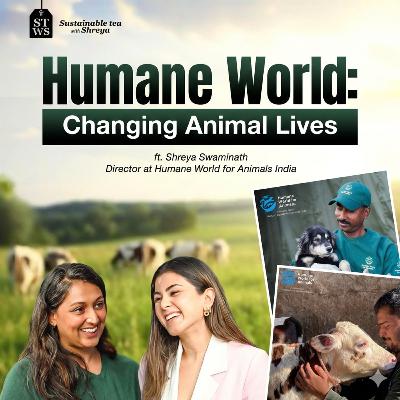
In this episode, Shreya sits down with another Shreya from Human World for Animals to answer one question: what does real transformation in India actually look like when it is not just individual choices, but institutions changing at scale. The conversation hits a nerve fast, calling out the story India tells itself about being naturally kind to animals, and the reality of how cruelty has been normalized in everyday life, from food systems to what society accepts on the street. It also challenges the comfort myth that dairy and “local, ethical” consumption is harmless, and pulls the curtain back on what industrial scale really means.This is not a good chat about “small swaps.” It is a systems conversation about why cruelty is profitable, why higher welfare is still not cruelty free, and why the biggest wins come from changing procurement and policy inside universities, hospitals, corporate cafeterias, and government frameworks. There is a hard take on Indian vegetarianism too: lower meat consumption does not equal lower harm when most eggs and animal products are coming from intensive confinement systems, and when labels carry social baggage that pushes people away from the actual goal. The core theme stays consistent: facts, science, and empathy, without hiding behind tradition.Then it gets practical. Shreya shares how Human World for Animals works with institutions end to end, how they measure impact, and why climate and health messaging often opens doors faster than ethical arguments. She also talks about their Humane Entrepreneurship Program, built to help founders replace animals in food, materials, and testing, and drops a simple rule that every startup needs: Shipping Fridays, ship something every week, test it on the ground, and let real feedback guide the product instead of hype. If building a future where animals, people, and the planet are part of the same story matters, this episode will leave no room for denial, and give a real map for what change can look like in India.Timestamps- (0:00 - 3:50) Humane World for Animal’s Mission (3:50 - 6:33) Individual Suffering Explained(6:33 - 10:58) Profit Makes Cruelty Normal(10:58 - 18:44) Institutions Drive Real Change(18:44 - 23:52) Vegetarianism And Indian Reality(23:52 - 32:29) Messaging Science Over Belief(32:29 - 37:54) Cultural Blindness To Cruelty(37:54 - 41:32) Humane Entrepreneurship Solutions(41:32 - 51:39) Policy Ethics And ActionWhere bold ideas meet brewed conversations. ☕ Sustainable Tea with Shreya is India’s biggest sustainability podcast, hosted by climate communicator and plant based lifestyle advocate Shreya Ghodawat. In each episode, we sit down with change makers across the globe, think climate scientists, clean-tech innovators, chefs, ethical fashion founders, indigenous leaders, and more, talking about everything that matters in a bid to live better. This is a space for curious minds and conscious conversations. For people who care, question, and want to understand what sustainability looks like in the real world, from policy to personal choices. If you're done with surface-level conversations and want to hear us spill the tea on how everyday choices connect to change the impact. Pull up a chair, sip on your favourite brew, and explore insights that move the needle
Siddharth Sharma joins Sustainable Tea with Shreya, India’s leading sustainability podcast. He confronts the hidden violence behind the dairy and meat industries and the cultural conditioning that keeps us blind to it. From the KBC moment that went viral nationwide to the uncomfortable truth that dairy is the foundation of beef, leather and overall animal exploitation, Siddharth breaks down how animals are artificially impregnated, separated from their calves, and treated as commodities, despite being called “mother.” This conversation forces us to examine why empathy disappears the moment an animal becomes a product, and why vegetarianism is not free from cruelty just because it avoids meat.Blending philosophy, religion, and climate science, Siddharth exposes how our scriptures have always aligned with compassion, whether through the Ahimsa of Jainism, the principles of the Vedas, or the Buddhist doctrine of non-violence, and yet society now uses religion to justify mass exploitation. He explains why “ethical dairy” cannot exist, how social conditioning shapes food choices from childhood, why corporations profit from disconnecting people from the source of their food, and how animal agriculture drives deforestation, water scarcity, greenhouse gas emissions and global hunger. This episode makes one thing clear: sustainability without veganism is a contradiction.More than a discussion about diet, this is a conversation about justice, freedom and the ethical responsibility of the most powerful species on the planet. Siddharth shares how philosophy shaped his decision, why small steps matter, why children are naturally compassionate before the world trains them out of it, and why the future generation will question factory farming the same way we now question slavery. Whether you come from culture, religion, environmentalism, fitness, parenting or activism, this episode will challenge your identity, not your taste buds. If Amitabh Bachchan could reconsider compassion at 83, every one of us can rethink the impact of our choices until every animal is free from suffering.Timestamps- (00:00 - 1:17) Start of The Podcast (1:17 - 04:32) The KBC Moment That Sparked Debate(04:33 - 08:55) When a Mother Cow Cried(08:56 - 12:40) First Encounters With Dairy Cruelty(12:41 - 17:18) How the Dairy System Actually Works(17:19 - 21:50) The Myth of “Vegetarian” Milk(21:51 - 26:12) Ahimsa and Dairy’s Contradiction(26:13 - 30:48) The Harsh Lifecycle of Cows(30:49 - 35:10) Leather: Dairy’s Hidden Profit Engine(35:11 - 39:25) Animal Farming and Climate Damage(39:26 - 43:04) The 86% Emissions Argument(43:05 - 47:00) The Truth About “Ethical Dairy”(47:01 - 50:12) Will Cows Go Extinct Without Dairy?(50:13 - 54:03) Raising Vegan Kids in India(54:04 - 56:52) Debunking “Weak Vegan” Myths(56:53 - 1:00:35) Why Siddharth Speaks for AnimalsWhere bold ideas meet brewed conversations. ☕ Sustainable Tea with Shreya is India’s biggest sustainability podcast, hosted by climate communicator and plant based lifestyle advocate Shreya Ghodawat. In each episode, we sit down with changemakers across the globe, think climate scientists, clean-tech innovators, chefs, ethical fashion founders, indigenous leaders, and more, talking about everything that matters in a bid to live better. This is a space for curious minds and conscious conversations. For people who care, question, and want to understand what sustainability looks like in the real world, from policy to personal choices. If you're done with surface-level conversations and want to hear us spill the tea on how everyday choices connect to change the impact. Pull up a chair, sip on your favourite brew, and explore insights that move the needle.

Location Courtesy: Cat Cafe Studio - https://www.instagram.com/catcafestudio?igsh=MWRybGxla2dyZTZkMQ==Singer, composer, producer and animal ally Kiss nuka joins Sustainable Tea with Shreya from a cat café, surrounded by rescue cats, to unpack what happens when art stops being just “beautiful” and becomes a weapon of truth. From her early days singing commercial heartbreak hits as Anushka Manchanda to burning it all down and rebirthing herself as Kiss nuka, she shares how silence during the pandemic forced her to confront the question, “Why am I here?” and turn her gifts towards justice. Art becomes protest, music becomes mirror and aesthetic becomes strategy as she chooses honesty over industry comfort and money.This conversation dives straight into the uncomfortable intersections of feminism, animal agriculture, language and spirituality. Kiss nuka lays bare the reality of dairy as systemic exploitation of the female body, the cognitive dissonance of loving pets while eating other animals and the way industrial culture trains society to value control over compassion. She links patriarchy, factory farming and environmental collapse, arguing that real feminism cannot ignore the bodies of cows, hens and other non-human females whose reproductive systems are treated as machines. From reprogramming everyday phrases that normalise cruelty to transforming anger into creative action, she explores how frequency, energy and spiritual integrity demand that what we consume, wear and fund is free from violence.Kiss nuka also challenges the script of motherhood and womanhood itself, reframing mothering as creation, care and nourishment rather than compulsory reproduction on a schedule dictated by “biological clock” panic and social pressure. Sustainability, for her, is a radical responsibility, a daily practice of asking “What am I giving back?” and choosing to reduce harm to animals, the environment and other people in every way possible. Filmed at The Cat Café, this episode is a love letter to rescue animals, adopt dont shop culture and all the rebels reimagining what feminism, spirituality and activism can look like. For anyone who has ever felt the dissonance between values and habits, this is a call to raise personal frequency and turn compassion into a way of life.Timestamps- (00:00 - 1:29) Start of the podcast(1:29 - 04:58) Awakening through silence and identity(04:58 - 09:52) Art becoming protest against injustice(09:52 - 14:46) Feminism and interconnected exploitation(14:46 - 18:57) Styles of activism and impact(18:57 - 24:10) Discovering dairy industry truth(24:10 - 28:19) Privilege, empathy and awareness(28:19 - 34:11) Forced pregnancy and dairy brutality(34:11 - 38:57) Energy, spirituality and consumption(38:57 - 43:08) Plants argument and vegan propaganda(43:08 - 47:19) Language shaping power and oppression(47:19 - 50:48) Communicating activism with emotion(50:48 - 54:06) Redefining motherhood beyond reproduction(54:06 - 57:52) Judgment, choices and societal pressure(57:52 - 1:01:25) Sustainability, karma and responsibility(1:01:25 - 1:04:11) Gratitude, collaboration and adoption messageWhere bold ideas meet brewed conversations. ☕ Sustainable Tea with Shreya is India’s biggest sustainability podcast, hosted by climate communicator and plant based lifestyle advocate Shreya Ghodawat. In each episode, we sit down with changemakers across the globe, think climate scientists, clean-tech innovators, chefs, ethical fashion founders, indigenous leaders, and more, talking about everything that matters in a bid to live better. This is a space for curious minds and conscious conversations. For people who care, question, and want to understand what sustainability looks like in the real world, from policy to personal choices. If you're done with surface-level conversations and want to hear us spill the tea on how everyday choices connect to change the impact.
Animal rights educator Shivam Nandi (Voice of Vegans) joins Sustainable Tea with Shreya for an unfiltered deep dive into ethics, culture, and power. He traces a blunt journey from “hardcore non-veg” to vegan after confronting his own cognitive dissonance, then dismantles the comforting myths around “ethical” dairy and eggs: forced breeding, calf-mother separation, mass disposal of male chicks, and supply-chain links between dairy, beef, and leather. A feminist lens runs through the conversation about body autonomy, exploitation of female reproductive systems, and why compassion that excludes animals is just selective empathy. Religion and ritual aren’t spared either: when sacred narratives are used to justify harm, that’s not devotion, that’s convenience.And from there the discussion further widens into food politics in India, caste, festivals, and performative activism and why animal liberation must be a political project, not just a personal diet. Shivam calls out bad-faith arguments head-on: the protein panic is about awareness, not meat; “veganism is elitist” is a dishonest shield used by the privileged; and fitness influencer culture routinely sells whey while hiding the exploitation behind it. He lays out a pragmatic path: start with the “why” think from the victim’s perspective, then learn the “how,” because plant-based nutrition is achievable when knowledge replaces habit. If dogs deserve empathy, so do hens, goats, cows, and fishes; species don't grant moral permission.Watch, reflect, and if the “why” lands, let the “how” follow.In this Episode00:00 - Start of the Podcast 02:02 - The Awakening: From Habit to Ethics08:01 - Unmasking the Dairy Illusion15:01 - Feminism and Animal Exploitation20:01 - Religion, Ritual, and Moral Dissonance27:01 - Food, Caste, and Cultural Power33:01 - Veganism as Political Resistance39:01 - Protein Myths and Fitness Culture45:01 - Elitism and Accessibility in Diet52:01 - Why Vegan, Then How Vegan1:00:00 - Egg Industry and Hidden Cruelty1:04:01 - Selective Compassion and Conditioning1:09:01 - From Awareness to Action1:13:01 - Activism, Discomfort, and Courage1:17:01 - Bollywood, Influence, and Hypocrisy1:21:01 - Hope, Change, and Moral Agency1:23:25 - End of the Podcast Where bold ideas meet brewed conversations. ☕ Sustainable Tea with Shreya is India’s biggest sustainability podcast, hosted by climate communicator and plant based lifestyle advocate Shreya Ghodawat. In each episode, we sit down with changemakers across the globe, think climate scientists, clean-tech innovators, chefs, ethical fashion founders, indigenous leaders, and more, talking about everything that matters in a bid to live better. This is a space for curious minds and conscious conversations. For people who care, question, and want to understand what sustainability looks like in the real world, from policy to personal choices. If you're done with surface-level conversations and want to hear us spill the tea on how everyday choices connect to change the impact. Pull up a chair, sip on your favourite brew, and explore insights that move the needle.Sustainable Tea with Shreya, Sustainability, Vegan, Veganism , Non-vegetarian, Animal exploitation, Animal husbandry, Protein myths, Animal leather, Eggs, Vegan diet, Plant diet, Plant protein, Dark side of dairy, Cruelty, Dairy free, Lactose intolerance, Lactose free milk, Dairy free diet, STWS
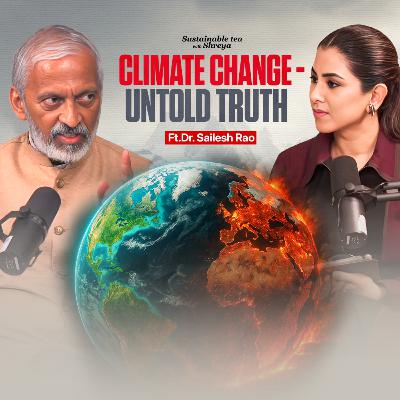
For guest suggestions & collaborations:📩 Email – podcast@shreyaghodawat.comFollow Sustainable Tea with Shreya on Social Media:YouTube: https://www.youtube.com/@SustainableTeaWithShreyaInstagram: https://www.instagram.com/sustainableteawithshreya/LinkedIn: https://www.linkedin.com/in/shreyaghodawat/Follow Dr. Shailesh Rao:Website: https://climatehealers.org/sailesh-rao/------------------------------------------------------------------------------------------------------------------------------------------------------------------Dr. Shailesh Rao joins Sustainable Tea with Shreya in this hard-hitting conversation that exposes the hidden drivers of climate change and the urgent need for a global shift in how we eat and live.From animal agriculture as the “killing machine” to the shocking reality that dairy is the world’s longest-running scam, Dr. Rao uncovers why our food system, not just fossil fuels, is at the center of our ecological destruction. This episode dives deep into the health impacts of meat and dairy, the 30 million lives lost each year to diet-related chronic disease, and why going vegan may be the most powerful climate solution available to us.Together, we explore the consequences of everyday food choices, the ethics of ahimsa (non-violence), and how systemic change in diets and industries could redefine our future. This is a conversation about more than climate change. It's about survival, justice, and the urgent decisions that will shape the fate of our planet.Whether you’re an environmentalist, student, policymaker, or someone questioning the link between health, sustainability, and climate, this episode will challenge your perspective and inspire action.#ClimateChange #AnimalAgriculture #Sustainability #SustainableTeaWithShreyaTimestamps:0:00 – Meet Dr. Shailesh Rao3:40 – The Hidden Driver of Climate Change9:25 – Why the World Must Go Vegan16:42 – The Dairy Scam Exposed24:18 – “Killing Machine” vs. “Burning Machine”31:56 – How Meat & Dairy Damage Our Health39:44 – 30 Million Deaths Every Year47:29 – Fossil Fuels Aren’t the Only Threat55:10 – The True Cost of Animal Agriculture1:02:37 – Ahimsa and the Food System1:10:25 – Can the World Go Plant-Based?1:18:50 – Rethinking Food Systems for the Future1:27:05 – Climate Denial and Policy Roadblocks1:34:22 – Why the Next Generation Holds the Key1:41:15 – Dr. Rao’s Final Call to Action1:46:57 – Closing------------------------------------------------------------------------------------------------------------------------------------------------------------------Where bold ideas meet brewed conversations. ☕ Sustainable Tea with Shreya is India’s biggest sustainability podcast, hosted by climate communicator and plant based lifestyle advocate Shreya Ghodawat. In each episode, we sit down with changemakers across the globe, think climate scientists, clean-tech innovators, chefs, ethical fashion founders, indigenous leaders, and more, talking about everything that matters in a bid to live better. This is a space for curious minds and conscious conversations. For people who care, question, and want to understand what sustainability looks like in the real world, from policy to personal choices. If you're done with surface-level conversations and want to hear us spill the tea on how everyday choices connect to change the impact. Pull up a chair, sip on your favourite brew, and explore insights that move the needle.

For guest suggestions & collaborations:📩 Email – podcast@shreyaghodawat.comFollow Sustainable Tea with Shreya on Social Media:YouTube: https://www.youtube.com/@SustainableTeaWithShreyaInstagram: https://www.instagram.com/sustainableteawithshreya/LinkedIn: https://www.linkedin.com/in/shreyaghodawat/Follow Vinamrasagar Ji’s Teachings & Updates:Instagram: https://www.instagram.com/vinamrasagarji/------------------------------------------------------------------------------------------------------------------------------------------------------------------In this special episode of Sustainable Tea with Shreya, Jain Muni Vinamrasagar Ji shares profound wisdom on the real meaning of life, the roots of inner peace, and how modern generations—especially Gen Z—can navigate stress, overthinking, and distractions.In this powerful conversation with Jain Muni Vinamrasagar Ji, we explore why so many of us today feel lost, restless, and trapped in the endless cycle of desires and distractions. Rooted in the timeless wisdom of Jain philosophy, this episode sheds light on how living consciously and sustainably can transform our lives. We discuss the principle of Ahimsa (non-violence) as the foundation of both inner and outer harmony, and how it can guide us toward peace in a chaotic world. The discussion also offers practical steps to cultivate mindfulness, simplicity, and balance in our daily routines, while addressing why success without peace ultimately feels empty. Finally, we uncover the path to clarity and calm in the age of social media and hustle culture, making this episode a must-watch for anyone seeking deeper meaning and lasting fulfillment.This conversation is not just about spirituality—it’s about redesigning the way we live. Muni Vinamrasagar Ji brings timeless insights that connect deeply with the struggles of our modern world.Whether you’re a student, young professional, or seeker on a spiritual path, this episode will leave you with practical wisdom and peace of mind. #jainism #spirituality #sustainableteawithshreya Timestamps: 0:00 – Can Ancient Wisdom Survive Social Media?2:38 – Jainism in One Sentence (For Gen Z)3:00 – Is Jainism Too Strict? (The Truth)4:00 – 3 Jain Practices That Can Change Your Life6:01 – Why a Monk Chose Instagram Over Temples8:40 – Talking to Youth vs Elders: The Language Gap10:55 – How Monks Handle Hate Online13:00 – The Most Controversial Topics in Jainism15:34 – Gen Z Growth, But Still Anxious—Why?17:06 – The Real Formula for Success19:20 – Jain Wealth Paradox: Rich Yet Spiritually Poor?22:35 – A Poem That Destroys Fake Social Status24:09 – How to Be Rich Without Feeling Empty25:17 – When Non-Violence Becomes Convenient27:54 – The Pet Food Paradox 31:43 – From Leather to Liberation: A Monk’s Awakening34:27 – Awareness: From Questioning to Feeling37:33 – Message to Jain Youth: Come Back Home41:25 – How We Use Language to Hide Violence43:36 – 5 Types of Ahimsa for Modern Living47:31 – Can Jainism Solve the Climate Crisis?49:16 – Why Jainism Is the Most Scientific Way of LifeWhere bold ideas meet brewed conversations. ☕ Sustainable Tea with Shreya is India’s biggest sustainability podcast, hosted by climate communicator and plant based lifestyle advocate Shreya Ghodawat. In each episode, we sit down with changemakers across the globe, think climate scientists, clean-tech innovators, chefs, ethical fashion founders, indigenous leaders, and more, talking about everything that matters in a bid to live better. This is a space for curious minds and conscious conversations. For people who care, question, and want to understand what sustainability looks like in the real world, from policy to personal choices. If you're done with surface-level conversations and want to hear us spill the tea on how everyday choices connect to change the impact. Pull up a chair, sip on your favourite brew, and explore insights that move the needle.
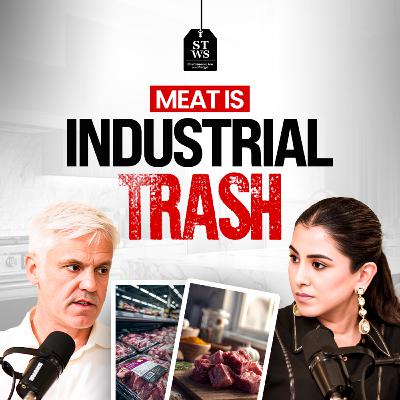
What if everything you’ve been told about meat and dairy was wrong?In this eye-opening conversation, we uncover the lies the food industry sells you, the truth about 90% of factory-farmed meat, and why even the word “vegan” triggers such strong reactions.We dive into:The hidden link between dairy and meatHow cognitive bias shapes your food choicesThe role of culture and religion in what we eatWhy factory farming is worse than you thinkHow marketing keeps you addicted to harmful habitsThis isn’t about shaming — it’s about asking the questions you’ve been told not to ask.Watch until the end, and you might never see your plate the same way again.Timestmaps:0:00 – Trailer: What You’re Not Told About Meat & Dairy1:27 – Why This Conversation Is Different3:52 – 90% of Meat Is Factory-Farmed6:37 – The Hidden Link Between Dairy & Meat9:17 – Why the “V Word” Turns People Off12:32 – How Marketing Shapes Your Food Choices15:48 – Cognitive Bias: Why We Defend What We Eat19:05 – Religion, Culture & The Cow Debate22:20 – Dairy Myths You Still Believe25:40 – The Real Cost of Meat & Dairy28:55 – Why Health Claims Can’t Be Trusted32:05 – The Psychology Behind Meat Cravings35:15 – Boycotts, Movements & The Future of Food38:10 – Final Thoughts: Seeing Your Plate Differently#FoodTruth #MeatIndustryExposed #DairyLies #FactoryFarming #vegan #suffering #animals #meat #vegetarian #nonvegetarian

In this powerful conversation, interventional cardiologist Dr. Arun dives deep into the root causes of heart disease, why Indians are more vulnerable at a younger age, and what we can do to protect our heart health through lifestyle and diet. From the dangers of animal-based foods and saturated fats to stress, sleep, and microplastics, this episode is packed with eye-opening insights and life-saving advice.🔥 Key Topics Covered:Why prevention should be the default—not treatmentHow a plant-based diet can reverse heart diseaseEarly signs of a heart attack most people ignoreThe truth about ghee, sugar, and processed foodsIs the Keto diet damaging your heart?COVID vaccines and heart health: myth vs factThe broken heart syndrome is real!🫀 Dr. Arun’s Top Tips for Better Heart Health:Eat real, whole, plant-based foodsPrioritize sleep, movement, and stress managementAvoid ultra-processed food, red meat, and sugarKnow your numbers: cholesterol, BP, blood sugar🌱 You have more control than you think — it starts with your plate.🎧 Watch till the end for practical lifestyle hacks & surprising truths that could save your life.#sustainableteawithshreya #heartattack #cardiac 00:00 - Intro 01:32 - Meet Dr. Arun: From interventions to prevention03:10 - Why Indians get heart disease 5–10 years earlier04:47 - Lifestyle vs genetics: What really causes heart disease06:45 - Early warning signs & symptoms of heart attack12:46 - Why women’s heart issues often go unnoticed15:06 - Sugar, saturated fat & processed foods: The real villains18:54 - Ghee, Ayurveda & the inflammation myth23:09 - COVID vaccine & young people’s heart health25:42 - Food-driven inflammation & the colorful plate rule29:06 - Keto vs heart health: What you’re not being told31:30 - Dr. Arun’s full lifestyle framework for heart health35:42 - Microplastics & bottled water: What studies now show38:26 - The 2 things every 20-something should start today40:42 - 20-minute exercise & breaking sedentary patterns41:51 - Can your smartwatch really save your heart?42:22 - “Prevent heartbreaks, not just heart attacks”43:51 - Outro
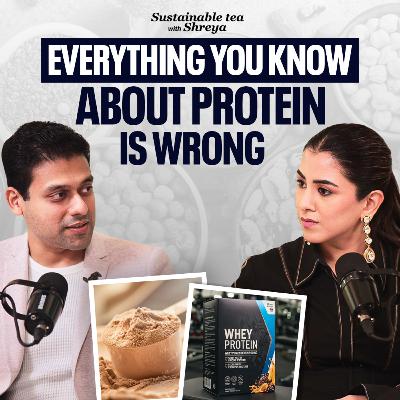
In this episode, certified sports nutritionist Vaibhav (with over 15 years of clinical experience) debunks the biggest nutrition myths that social media and the bodybuilding industry have led us to believe. From whey protein side effects to the truth about India’s so-called protein deficiency, we dive deep into the science behind plant-based diets, micronutrients, and sexual wellness.🔥 *What You'll Learn:*• Why your body can't properly digest animal protein anymore• The truth about whey protein that causes acne and gut issues • How Roman gladiators were actually vegetarians (fossil evidence!)• Why plant protein is SUPERIOR to animal protein• The calcium myth that's making supplement companies billions• Sexual wellness secrets through nutrition*🎯 KEY TOPICS COVERED:*✅ Plant vs Animal Protein Truth✅ Whey Protein Side Effects ✅ Bodybuilding Industry Lies✅ Micronutrients vs Macronutrients✅ B12 Deficiency Reality Check✅ Sexual Health & Nutrition Connection✅ Dairy's Hidden Dangers✅ Complete Amino Acids from PlantsABOUT Vaibhav :Master's degree in Sports Nutrition | 15+ years practice | Works with national-level athletes | Plant-based for 11+ years | Sexual wellness expert*🔗 CONNECT WITH US:*📧 Email: [Contact Info]📱 Instagram: @[Handle]🌐 Website: [Website]---## TIMESTAMPS***0:00* - Introduction & Protein Debate Setup*0:32* - Why Your Body Can't Digest Animal Protein*1:15* - Credentials: Master's vs Instagram Nutritionists *2:06* - Simplifying Nutrition vs Social Media Confusion*3:03* - Roman Gladiators Were Vegetarians (Fossil Evidence)*3:30* - Complete vs Incomplete Proteins Explained*4:15* - pH Levels & Digestion Problems with Animal Protein*4:55* - Plant-Based Amino Acid Sources*5:29* - Carnivore vs Herbivore: Mirror Test*6:31* - Strongest Mammals Are Herbivores*7:09* - Plant Protein NOT Inferior to Animal Protein*7:59* - Autophagy & Fasting Benefits (48-72 hours)*8:40* - Whey Protein: The Gold Standard Myth*9:24* - Real Client Success Story: Theater Actor*11:25* - Excess Protein Gets Stored As Fat*12:22* - Macronutrients vs Micronutrients Breakdown*14:20* - The Calcium Supplement Scam (99.9% Are Sufficient)*15:50* - How Meat Creates Arterial Blockages*16:22* - Dairy Creates Sulfuric Acid in Your Gut*17:08* - Vitamin K Natural Sources*17:53* - 11 Years Plant-Based: Personal Transformation*19:37* - Ditching Dairy Healed All Sports Injuries*20:43* - Success Story: 12-Year-Old National Swimmer*21:49* - Whey vs Plant Protein: Which is Superior?*23:11* - Over-Protein Obsession Problem*24:30* - India Protein Deficiency Myth Debunked*26:14* - Dal vs Meat Protein Comparison*28:10* - Creatine Supplementation Truth*28:51* - How to Navigate Nutrition Information Overload*31:35* - B12 Deficiency: Vegetarians vs Non-Vegetarians*33:29* - Nutrition & Sexual Wellness Connection*36:15* - Natural Aphrodisiacs & Sexual Health Foods*38:05* - Best Foods for Sexual Health & Fertility*40:05* - One Practical Step to Start Today*41:33* - Final Thoughts & Impact

In this powerful conversation, designer Monica Shah, co-founder of Jade, joins host Shreya to discuss India's rich textile legacy, slow fashion, and what it truly means to build a cruelty-free luxury brand.From the story of bringing Dior to the Gateway of India to empowering women artisans in villages like Bolpur and Kutch, this episode takes you through an inspiring journey of craft, culture, and consciousness.✨ Learn about:- Cultural sustainability and Indian identity- The story behind Jade and the Grassroot Artisans Project- Vegan luxury and cruelty-free fashion- Forgotten crafts like Bandhani, Katha, Ikat, Ajrak, and more- Real stories of women artisans and intergenerational legacyTimestamps:0:00 - Teaser1:38 - Intro2:56 - Dior, India & Cultural Validation4:56 - Why We Must Own Our Indian Identity in Fashion6:56 - Jade’s Vision: Reviving Forgotten Indian Crafts8:56 - The Legacy of Artisans & The Power of Handmade10:56 - Made in India vs Made in Italy: Who Defines Luxury?12:56 - Grassroot Artisan Project: Real Stories from Bolpur14:56 - Contemporary Craft: Ikat, Batik & Katha Reimagined16:56 - Do Buyers Care About Stories Behind the Stitch?18:56 - Sustainable Weddings & What Luxury Really Means20:56 - Women in Craft & the Story of a 20-Year Embroidery22:56 - Bandhani Legacy: Learned at Age 4, Made with Love24:56 - PETA Award & Cruelty-Free Fashion by Jade26:56 - What Next-Gen Shoppers Should Know About Indian Textiles28:56 - How to Begin Your Indian Fabric Journey30:56 - Fabric Masterclass: Phulkari, Ikat, Ari, Ajrak & More32:56 - Kasab, Macramé & the Global-Local Craft Fusion34:56 - Dohar & Upcycled Textiles: Art in Everyday Life36:56 - The Real Meaning of “Handmade in India”38:56 - Why Young India Doesn’t Recognize Real Craft40:56 - Katha, Soof & Collaborative Rebellion Through Embroidery42:56 - Matani Picheri: A Temple for the Marginalized44:56 - Why We Must Preserve These Dying Art Forms46:56 - Ektar Lehengas: 2-Year Masterpieces of Craft48:56 - Closing Thoughts: Fashion That Feels Like a Movement50:48 - Final Thank You: Owning Our Cultural Sustainability🧵 This episode is for anyone who values heritage, craftsmanship, and conscious fashion.🔔 Don’t forget to like, comment, and subscribe for more mindful conversations around art, identity, and sustainability!#IndianFashion #SustainableFashion #SlowFashion #CulturalSustainability #JadeByMonica #HandmadeInIndia #PodcastIndia

Fast fashion is destroying our planet, feeding insecurity, and pushing us to consume more and value less. But what if your clothes could move with you, evolve with you, and last for years?In this heartfelt episode, we sit down with the founder of OZEQO, a revolutionary Indian modular fashion brand that is built on conscious consumption, customization, and sustainability. From creating detachable clothing to championing ethical production and zero-inventory systems, this conversation is packed with fashion industry revelations, emotional stories, and practical tips on how to dress with purpose.🧵 Whether you're a fashion lover, entrepreneur, or someone wanting to build a conscious wardrobe, this episode is your guide to making more with less.📌 Topics Covered:- Dark side of fast fashion- Why clothes must be worn 33+ times- How modular clothing works- Inside look at OZEQO’s production process- Real talk on fashion waste, labor ethics, and customer care- Startup tips for fashion brand foundersTimestamps:00:00 - Teaser: The Shocking Truth About Fast Fashion01:17 - Introduction: Why We Need to Rethink How We Dress02:29 - Welcome: Meet the Founder of OZEQO04:30 - Why Repeating Outfits is Sustainable Fashion’s Superpower 06:30 - Deconstructing Fashion: The Power of Detachables 08:30 - OZEQO's Mission: Custom Clothes Made for You 10:30 - The Hidden Costs of Fast Fashion No One Talks About 12:30 - From Stitching Solo to Building a Conscious Brand 14:30 - Why Modular Clothing is a Game-Changer 16:30 - No Inventory, No Waste: The Business Model Explained 18:30 - Real Stories of Women Choosing Conscious Wardrobes 20:30 - How Fitting Should Feel: Tailoring for Real Bodies 22:30 - Why OZEQO Doesn’t Believe in Seasonal Sales 24:30 - Supporting Indian Craftsmen & Ethical Production 26:30 - The Difference: Alterations, Upcycling & Care 28:30 - Behind-the-Scenes: The OZEQO Factory Ethos 30:30 - Minimalism in Indian Closets: The Real Shift 32:30 - Making Repeat Outfits Cool Again 34:30 - Multi-Way Outfit Demo: 1 Dress, 4 Looks 36:30 - Top Tips for Fashion Entrepreneurs & Startups 38:30 - What True Sustainability Looks Like in 2025 40:30 - The Future of Fashion: Deconstructed, Ethical & Proudly Indian 42:30 - Final Words: What It Means to Build with Purpose#FastFashion #SustainableFashion #ModularClothing #OZEQO #IndianFashion #ConsciousFashion #DetachableFashion #EcoFashion #FashionRevolution #RepeatYourOutfits

Would you wear shoes made from tyres, cork, medical gloves, and car seat foam?Welcome to a new kind of sustainability — practical, stylish, and built for India.In this episode of Sustainable Tea with Shreya, host Shreya Ghodawat sits down with Amit Jain, co-founder of Planet Paduks, India’s conscious footwear brand revolutionizing how we think about waste and fashion.From building 82% biodegradable shoes to breaking the myth that sustainability can’t be cool or affordable — Amit shares real insights that challenge everything you know about Indian fashion, pricing, and production.What You’ll Learn:- Why over 23 billion shoes end up in landfills each year- The real difference between biodegradable and compostable- How to make sustainability aspirational (and not just ethical)- Why Planet Paduks offers warranty (when no other brand does)- Inside India’s emerging ecosystem of plant-based leathers- What brands get wrong about “green” marketing- How waste, affordability, and style come together in one powerful productTimestamps:00:00 – Teaser 01:33 – Intro: Meet the founder of Planet Paduks 02:19 – Why He Couldn't Find the Right Footwear 04:11 – From Personal Pain to Business Idea 05:10 – Using Tires, Cork & Medical Gloves in Footwear 07:34 – Why Affordability Matters in Sustainable Fashion 09:05 – Making Sustainable Products Cool & Wearable 10:18 – Breaking Down the Materials Used 11:42 – Biodegradable vs Compostable: The Truth 13:07 – Why Nothing Is 100% Sustainable 15:15 – The Vegan Leather Problem & Durable Alternatives 17:52 – PU, PVC & Sustainable Innovation in India 19:40 – Dream Footwear Innovations & Kids Shoe Problem 21:06 – Cushioning Myth: What Your Feet Really Need 22:38 – Sourcing EVA Foam from Car Waste 23:39 – Cool Materials Like Banana, Coconut & Flower Leather 25:24 – Built-In Arch Support & Elastic for Comfort 26:12 – India's First Footwear Brand with Warranty 28:36 – Is Mass Production Always Bad? 29:55 – Footwear Made from Pomegranate & E-Waste? 31:09 – Where to Buy Planet Paduks Footwear 32:07 – Final Thoughts: Building a Truly Sustainable BrandShreya's Outfit CreditsPantsuit - @advait_in via @gateway.prJewellery - @isharya @octonov.studioShoes - @eridani.in
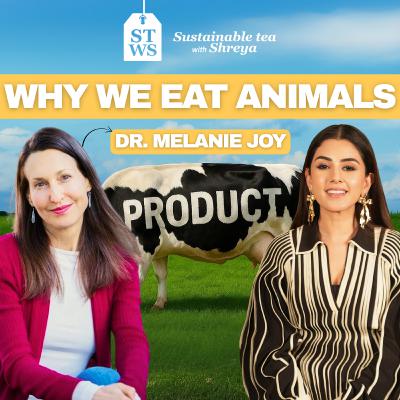
If you’ve ever cuddled your dog while cutting meat in the kitchen, this episode is for you.In this conversation on Sustainable Tea with Shreya,India’s biggest sustainability podcast, social psychologist and author Dr. Melanie Joy helps @shreyaghodawat breaks down the belief system that shapes our perception of animals: carnism, the invisible ideology that conditions us to eat certain animals while loving others.From her personal journey, started by a health crisis and a childhood dog, to her research into the psychology of empathy, denial, and systemic violence, Dr. Joy reveals how conditioned our food choices are. She explains why people get defensive during conversations about animal suffering, why natural is used as a moral shield, and how even the most compassionate people support systems of harm.The episode unpacks:The psychology behind why we love dogs but eat pigsHow carnism uses defense mechanisms like objectification and de-individualizationWhy graphic content doesn’t always work, and how to be an emotionally sustainable activistThe 3 Ns of justification: “normal, natural, necessary”What relational literacy means, and how it can heal not just our diets, but our dialogueWe also explore the intersection of animal exploitation, environmental destruction, and social injustice, highlighting how the same dynamics of domination drive racism, patriarchy, and speciesism.This episode is both a wake-up call and a toolkit, for pet parents, animal lovers, and anyone curious about aligning their values with their actions.In this Episode0:00 - Introduction to Dr.Melanie Joy and her work1:14 - Journey into Veganism and Sustainability6:44 - Understanding Carnism; The Invisible Belief System11:04 - Psychological Defense Mechanism in Carnism17:42 The Interconnection of Animal Rights22:07 Building Relational Literacy for a Better World28:36 Overcoming infighting in Advocacy Movements33:06 Navigating Emotional Responses in Advocacy34:34 Creating Safe Spaces for Communication36:55 The Power of Personal Storytelling39:27 Self-Care in Advocacy41:57 Understanding and Managing Trauma44:24 Debunking Myths of Justification46:17 Cultural Perspectives on Animal Consumption48:19 Bridging the Gap in Food Choices51:35 The Truth Behind Ethical Labels53:34 Veganism and Indian Values57:22 Rapid Fire Insights on Veganism1:00:23 Building a Kinder World Through Compassion1:03:20 Steps Towards a Sustainable Future
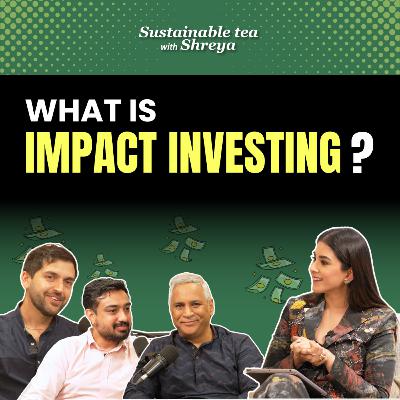
Make money while creating impact.Profit and purpose aren’t at odds; they’re the future of business.In this episode of Sustainable Tea with Shreya, host @shreyaghodawat sits down with three of India’s top impact investors - Aakash Shah (Partner, Peak Sustainability Ventures), Karan Mehta (Venture Principal, Green Frontier Capital), and Vineet Rai (Founder, Aavishkaar Group) - to explore why the next wave of economic growth will come from solving real-world problems.This episode shares insider information on:1) What investors are betting on now: water, waste, deep tech, energy storage, ethical food systems.2) Why solving India’s biggest challenges is also its biggest business opportunity.3) What makes a company investable in this space without any buzzwords and greenwashing.4) How to build ventures that scale and sustain5) The difference between outdated models of growth and the next-gen playbook for returns.6) Why the smartest capital is flowing towards founders building for resilience, regeneration, and reach.So if you’re building, fundraising, looking to invest or just trying to understand what the future of business looks like, this conversation is your cheat sheet.Watch the full episode now!Shreya's Outfit CreditsPantsuit - @advait_in via @gateway.prJewellery - @isharya @octonov.studioShoes - @eridani.inIn this Episode00:00 - Trailer01:23 - Introducing the Panel05:08 – What is Impact Investment?10:46 – Difference between Impact Investment and Traditional Investing32:57 – Lessons from Businesses That Suffered Losses57:00 – How Can a Small Investor Enter This Space?01:02:43 – Impactful Rapidfire01:14:03 – Closing Notes and Business Advice to Budding Investors and Entrepreneurs #investing #startups #greentech #climatesolutions #cleanenergy #impactinvestment #funding #capital #finance #innovation #entrepreneurship #mutualfunds #sustainablebusiness #greeninvesting #startupfunding #angelinvesting #climatetech #startupindia #economy #investmentstrategy #socialimpact #foodsecurity #smartinvesting #climateaction #sustainability #stws #podcast #purposedriven

If your gut’s not okay, nothing else is.Gut health has become the wellness buzzword of our times. We see it everywhere: probiotic labels, kombucha bottles, and grocery shelves. But when you move beyond the trends and start listening to your body, you realise gut health is about unlearning the noise and returning to what’s always worked: rhythm, rest, real food, and conscious breath.In this episode of Sustainable Tea with Shreya, India’s biggest Sustainability Podcast, Shreya Ghodawat and Dimple Jangda have the kind of gut conversation we avoid. They talk about the everyday things that slowly disconnect us from our bodies, batch-cooked meals that sit too long in the fridge, quick-fix antibiotics that wipe out more than just the bad bacteria, and habits like popping painkillers without pausing to ask why the pain is there in the first place.From Ayurveda to acid reflux, time-restricted eating to plant-based alternatives, this conversation is layered but practical. They touch on everything from IBS and leaky gut to the silent stress caused by processed food, dairy, and microplastics.Not from a place of fear, but from a place of awareness. Because sometimes, healing starts by paying attention to the most overlooked part of your body, your gut.If you’ve been feeling off, bloated, low on energy, stuck in cycles of quick fixes and vague symptoms, this episode might be your starting point. A gentle nudge to come back to your body, listen before you add another product to your shelf.Shreya's Outfit CreditsDress - https://www.instagram.com/bodicebodice?igsh=MXRmN3FvZTViNTlqZQ==Jewellery - https://www.instagram.com/studiometallurgy?igsh=MTQwcmpuanB6ZmI2dw== , https://www.instagram.com/araa.jewels?igsh=MWNvdjRmMmZ1aWJleA== , https://www.instagram.com/octonov.studio?igsh=MWt4OGx5aHViZHVtaw==Heels - https://www.instagram.com/eridani.in?igsh=MWZvZDd2d3dhemd4Zw== In this Episode:00:00 Trailer01:41 Introduction to Gut Health & Wellness02:45 What is Good Gut Health and Common Misconceptions05:55 Why Painkillers Are Not A Good Idea11:27 Why Controlling your Breathing is Important13:37 How to reverse PCOS 23:50 Why You Should Detox Your Body28:12 Effective Colon Cleanse Alternatives 28:43 What Affects Your Gut & Leads to IBS38:20 Why Our Generation Faces Gut Issues45:45 Plantbased Protein vs. Whey Protein for Gut Health48:20 Probiotics, Kombucha & Other Gut Health Remedies52:45 Changes When Switching to a Gut-Friendly Diet53:35 Rapid Fire with Dimple Jangda1:00:02 What Does Sustainability Mean and Closing Thoughts#DimpleJangda #guthealth #healthygut #ayurveda #digestion #digestivehealth #healthylifestyle #babaramdev #gutdetox #plantbaseddiet #vegan #wholefoods #superfoods #detox #breathwork #meditation #pranayama #cleaneating #naturalhealing #health #wellness #yoga #sustainableliving #selfcare #mentalhealth #ibs #pcos #pcod #antibiotics #foodismedicine #antiinflammatorydiet #painkillers #healthyhabits #balanceddiet #fermentedfoods #processedfoods #intermittentfasting
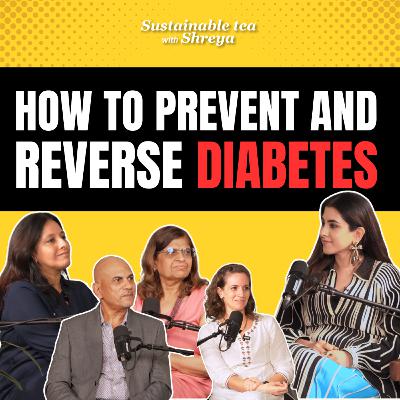
There’s a way you can reverse diabetes instead of learning how to deal with it. In this episode of Sustainable Tea with Shreya, experts break down the science behind diabetes and uncover what mainstream medicine overlooks. If you're trying to control blood sugar, prevent future complications, or understand the signs of diabetes before it’s too late, this conversation is essential viewing.Shreya Ghodaat sits down with four leading voices in plant-based health and medicine: 1. Dr. Rupa Shah, Lifestyle Medicine Consultant with 40+ years of clinical experience 2. Ajoy Prabhu, Research Pathologist and former advisor to the Obama administration 3. Dr. Jenny Prabhu, Paediatrician and Internal Medicine Specialist 4. Kajal Bhatia, Plant-Based Nutritionist and Certified Diabetes EducatorTogether, they unpack:1. Diabetes is linked to dietary fat and overall food choices, while sugar has been unfairly blamed as the primary villain.2. How modern diets are increasing insulin resistance, even in healthy-looking individuals3. The “lock and key” mechanism behind blood sugar spikes and what jams the system4. Why removing dairy and meat is the missing link in reversing diabetes5. The dangers of ultra-processed foods, artificial sweeteners, and high-protein fads6. Why whole fruits, despite being sweet, can help control blood sugar when consumed right7. How early signs of diabetes go unnoticed, and how to catch them in timeYou’ll also hear stories of individuals who reversed type 2 diabetes through consistent, sustainable lifestyle changes, within weeks. From understanding your food to rethinking your family history, this episode delivers a practical action plan rooted in science, not supplements.Whether you’re managing diabetes, at risk, or simply curious, this is your guide to long-term health through food, movement, and mindset.In this episode:00:00 – Trailer01:31 - Meet the Experts on Reversing Diabetes13:23 – What Causes Diabetes?19:16 – Alternatives to Refined Sugar 33:12 – How To Reverse Type 2 Diabetes Naturally?50:05 – Why a Plantbased Diet is Good for Diabetes?1:01:28 – Facing Pushback from Patients1:06:00 – Is Protein Essential in a Diabetes Diet?1:13:00 – One Change to Control Blood Sugar 1:19:00 – Will You Get Diabetes If It Runs in the Family?1:24:00 – A 3-Step Action Plan for Reversing Diabetes1:34:00 – Final Thoughts and the 'Reversing Diabetes' Documentary #stws #podcast #diabetes #bloodsugar #plantbased #vegandiet #healthyliving #lifestyle #health #nutrition #wellness #fitness #medicine #wholefoods #sugar #diseasereversal #insulinresistance #healing #lowfatweightloss #fiber #fruits #vegetables #wellbeing #cleaneating #diabetescare #type2diabetes #type1diabetes #guthealth #diabeticfriendly #healthychoices #antiinflammatory #plantpowered #cleanfood #lowglycemic #sustainablehealth #sugarfree #dairyfree #meatfree #localfood #seasonalfood #diabetesprevention #diabetesreversal #healthyhabits #superfoods #bloodsugarcontrol #plantbasedliving #sugarcontrol #balancednutrition
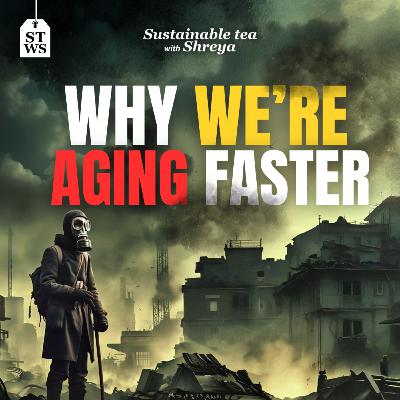
Remember when @BryanJohnson had to walk out of a podcast in India because of the toxic air? He wasn’t overreacting. This is the reality we live in, and in this episode, we dive deep into exactly why we should care about the air we breathe.In this episode of Sustainable Tea with Shreya, @shreyaghodawat sits down with air quality experts Bhavreen Kandhari, Prof. Sagnik Dey, Jai Dhar Gupta, and Abhiir Bhalla to explore air pollution, why it’s not just a Delhi problem, and why it’s a pan-India crisis that stretches to neighbouring countries too. With 900 million people living in the Indo-Gangetic plain, we’re all affected by the invisible toxins in our air, especially fine particulate matter like PM2.5. These pollutants infiltrate our lungs, bloodstream, and organs, causing everything from respiratory issues to heart disease, diabetes, and infertility.The conversation gets real about the Air Quality Index (AQI) and why it’s not enough to show the true dangers. We also look at indoor air pollution, which is as harmful as the outdoor stuff. From burning incense to poorly ventilated kitchens, the air in our homes is far from safe. We talk solutions too, how we can tackle these issues at home and as a society, from cleaner cooking alternatives to demanding better air quality enforcement.If we don’t act now, the health consequences are inevitable. This episode is a roadmap to cleaner air for all of us, and not a wake-up call!In this Episode00:00 – Trailer01:47 - Introduction of our guests07:18 – Is air pollution only a Delhi problem?18:17 – What is indoor air pollution?28:57 – How to improve indoor air quality?53:07 – Is air pollution political?01:14:47 – Why should people care about polluted air?01:50:47 – Myths around air pollution people should know02:10:47 – How to make a difference?Shreya's Outfit CreditsOutfit - https://www.instagram.com/houseoffett?igsh=cmgzOW41bWhsdWZl #airpollution #pollution #AQI #cleanair #airquality #environment #climatechange #bryanjohnson #climateaction #nature #earth #delhipollution #climatecrisis #health #publichealth #healthcrisis #carbonfootprint #urbanpollution #pollutedcities #lunghealth #indiapollution #smog #citysmog #globalissues #fightpollution #toxicair #plants #smoke #smoking #who #stws #sustainability #podcast
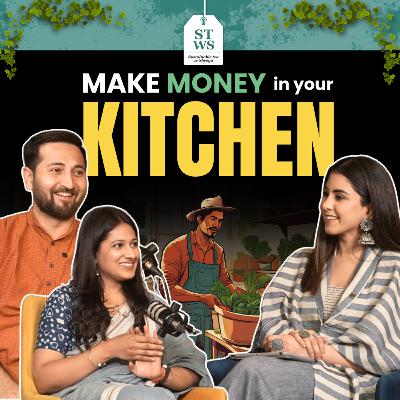
Even the busiest homes can make space for something to grow.All you need to grow food is a corner, some scraps, and the will to try.In this episode of Sustainable Tea with Shreya, Shreya Ghodawat sat down with Ratika Khandelwal and Mayank Sharma, urban farmers and everyday sustainability champions who’ve found simple, meaningful ways to live sustainably in the middle of a busy city life.We spoke about growing food from temple flowers and kitchen scraps, composting with an old earthen post, and making cleaner choices, to be more mindful and not perfect.Here’s what we explored in this episode:1) The easiest food to grow at home using seeds already in your kitchen2) How to grow vegetables at home without fancy tools or a balcony3) Simple terrace garden ideas for small spaces4) Composting doesn’t need bins, worms, or smell, just a bucket and dry leaves5) Making your own DIY fertilizer using kitchen waste6) How fast fashion and overconsumption are disconnecting us from our roots7) The difference between store-bought and homegrown produce (your taste buds know)8) Because sometimes, going forward looks a lot like going back.🎧 Watch the full episode for simple, doable ways to compost, grow, and eat better!Shreya's Outfit CreditsOutfit - https://www.instagram.com/houseoffett... In this episode:00:00 - Trailer1:26 - Introduction: Talking About Sustainability8:20 Where Does The Stigma of Renting Come From?09:23 - Why Should You Grow Your Own Food?14:42 - Can You Grow Food in Urban Cities with Limited Space and Time?16:55 - How To Easily Start Composting At Home23:07 - Why Does One Need to Be Sustainable and Proper Disposal Practices33:35 - Why Is Growing Your Own Food the Need of the Hour?41:20 - Why Eat Local and Seasonal56:16 - If Everything Is Bad, What Should We Even Consume?01:01:41 - Is It Realistic to Return to Traditional Ways of Living?01:26:22 - How to Be Sustainable If You're Lazy01:32:18 - Five Easy Plants to Grow at Home #sustainability #sustainableliving #ecofriendlyliving #zerowaste #climateaction #backtobasics #traditionalwisdom #mindfulconsumption #consciousliving #slowliving #growyourownfood #urbangardening #urbanfarming #microgreens #foodsecurity #composting #compostingtips #reducewaste #kitchen #seasonaleating #organicgardening #chemicalfreevegetables #homegrown #sustainablefashion #slowfashion #consumerism #greenwashing #plastic
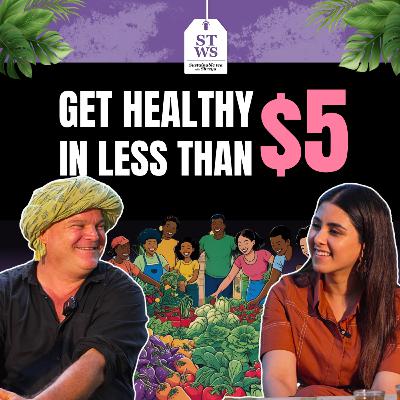
What does it mean to live with the land, not just on it?In this episode of @SustainableTeaWithShreya Shreya Ghodawat sits down with Krishna McKenzie, natural farmer, artist, and longtime Aurovilian whose life is rooted in a simple, yet radical idea: nature knows best.From his early days in the UK to building a life around soil and soul in Tamil Nadu, Krishna’s story weaves together spirituality, natural farming, cultural food wisdom, and a deep connection to place.We talk about:1) Leaving behind the noise of modern life to reconnect with food and land2) How eating local is not a trend, but a return to something sacred3) The influence of J. Krishnamurti and Masanobu Fukuoka on his life and work4) Why is natural farming more than a method? it’s a mindset5) The quiet power of indigenous ingredients and food as memory6) How restoring our food systems could be the most powerful climate solution we already haveFrom edible weeds to corporate farms, school lunches to balcony gardens, this episode is an invitation to rethink the way we eat, grow, and live. Whether you’re in a city apartment or surrounded by fields, this one will make you pause, reflect, and maybe plant something.If this conversation moves you, share it, start a dialogue, or simply ask your grandparents what they used to eat. That one question could be your first step back to the soil.Shreya's Outfit Credits:Dress - https://www.instagram.com/notebook.official?igsh=MWVnZHI5NzlqYmpiMw==Belt - https://www.instagram.com/foret.store?igsh=MXdkbjRnenpldjhmcQ==Jewellery - https://www.instagram.com/blingthingstore?igsh=MTY5dDN6MzVrZnUzbQ== , https://www.instagram.com/sorbetandco?igsh=b2hkdm5tMWcxdWh3Flats - https://www.instagram.com/thecaistore?igsh=MWJtdjUwYmRwaW9nMQ== In This Episode00:00 Trailer01:03 Introduction01:44 The Journey from UK to Tamil Nadu05:46 Coming to Auroville and Masanobu Fukuoka12:19 The Philosophy of Food16:45 Unknown Wonders of Nature20:57 Why is there a disconnect between Humans and our Land22:20 Why Is It Important to Eat Local Food?28:30 The Trend of Organic and Regenerative Farming32:05 How Can we explain Sustainability to Everyone34:32 Biggest Life Lessons Learned38:11 How Can People in the City Start to Eat Better43:13 The Mid-Day Meal Scheme Done Better46:52 Consequences of the Industrialisation of Farming50:28 The Celebration of Food52:26 How Can We Make the Food System More Resilient?1:01:08 - Closing Thoughts#sustainability #farming #nature #food #localfood #climatechange #environment #planet #organicfood #regenerative #ecofriendly #agriculture #gardening #biodiversity #indigenous #nutrition #farm #farmtotable #tradition #plantbased #ecosystem #forest #minimalism #organicfarming #health #simplicity #culture #sustainableliving #nourishing #foodchoices #healthyliving #conservation #eatlocal #climateaction #foodsecurity #permaculture #sustainableagriculture #plantbasedlifestyle #zerowaste #soilregeneration #urbanfarming #minimalistliving #greenrevolution #traditionalfarming #circulareconomy #greenenergy #foodismedicine #auroville

Comments

Download from Google Play

Download from App Store
 United States