


 Claim Ownership
Barbary Lane Dispatches Podcast
Subscribed: 1Played: 0
Subscribe

© Armistead Maupin
Description
Pull up a chair on the porch of 28 Barbary Lane—tales, truth, and tea from Armistead Maupin.
armisteadmaupin.substack.com
armisteadmaupin.substack.com
26 Episodes
Reverse
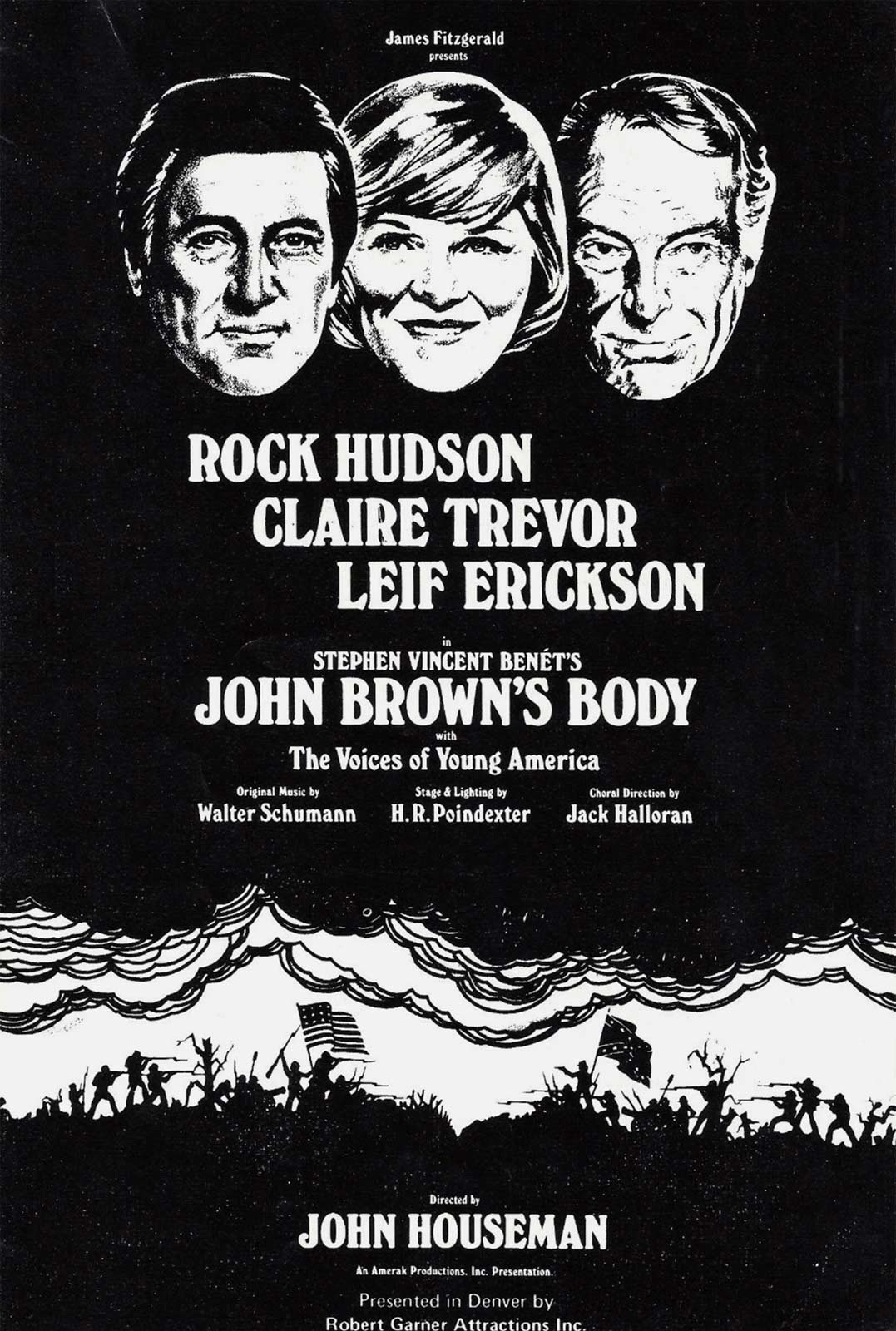
Here’s a transcript of the video:Today I’d like to tell you about my friendship—relationship, whatever you want to call it—with Rock Hudson.It began, as many gay stories begin, with a friend of a friend introducing us. I had met Jack Coates in the desert in Palm Springs when I went down for what I thought was a gallery opening in which Rock would be in attendance. A friend of mine and I thought that would be a good thing to go to. And he wasn’t there.We ended up in the desert with everybody but Rock Hudson—all these people who knew him and many who loved him. And I fell in the sack with a guy named Jack Coates, who had been Rock’s partner for years—lover, I think we called him back then. He’d been his lover for four or five years, and I could see why. Jack was an amazingly charismatic guy: very charming, balding—maybe even bald at that point—and he had chest hair that was architectural in its swirliness.We became friends. I thought I was in love, and he was very tactfully making it clear that we weren’t. He was actually dating a diver from the Berkeley swim team, whom I met subsequently through him. Anyway, you don’t need to know all this—stream of consciousness here.Jack took me to San Bernardino to see a production of John Brown’s Body that Rock was starring in. Even then I thought it was pretty awful. Rock was supposed to die, and when he hit the stage it was like a timber falling. He was just this big, loud whomp. It was not the best play, and I think he was told it was an artistic thing and he should do it, so he did it.Afterwards there was a line to meet him. Jack led me back into this interior hallway leading up to Rock’s dressing room. At the moment I got to Rock and shook his hand, the lights went out. The only thing I could think to say was, “Well, this is certainly the opportunity of a lifetime.” He laughed in the dark. And that’s where our friendship began. That was the moment for me. I don’t know whether he felt anything at all.Some months later I got the call that Rock was coming to San Francisco, and he put together a group of men to hang out with him. I was among them, and he really surprised me by standing up and saying, “I have a little reading I want to do.”He had been down to the newsstand at the Fairmont Hotel and obtained a copy of the Bulldog edition of the San Francisco Chronicle—the one that came out the night before. He stood up and read the first chapter of Tales of the City. He knew I had written something, and he went through the trouble of figuring out what it was. He was a little drunk at the time, but it was charming. And I think he kind of figured it would get me into bed—and it did.The next night, as a matter of fact, he and his partner, Tom Clark, invited me to join them at La Bourgogne, this very fancy restaurant in the Tenderloin. We talked about—he knew I was an activist, a gay activist—and the subject came up of when and how he was going to come out. I offered to write the story for him. I said, “I could do it. I’m the guy to do it, really, because I’m out and I know you.”His partner got a terrible look on his face and said, “Not until my mother dies.” That was a peculiar thing to say, I thought. Anybody who was f*****g Rock Hudson would be very proud for his mother to know it.At the end of that evening we headed up the hill to the hotel. Tom kind of flaked out and said he was too tired and was going to bed. So Rock and I caught a cable car together. It was fascinating to watch how the crowd reacted when they saw who he was. They were like, “It’s Commissioner McMillan,” which was the role he was playing at the time on McMillan & Wife.We got back, found Tom already passed out in the bedroom, and Rock and I sat at opposite ends of the living room making conversation. Finally he said, “Well, I should be over there or you should be over here,” which was the only signal I required.We were having a grand old time making out, but I wasn’t up to the task in any way. It was just too intimidating. There was too much clouding it all for me. Finally he came over and sat next to me and said, “You know, I’m just a guy like you.” And I said, “No, you’re not, and I’m Doris Day.”We had a bit of a laugh. It wasn’t the first time he’d heard that, but it was the first time I’d gotten a chance to say it.We had better success on subsequent visits—to his home in L.A., which was called The Castle, and at the house in San Francisco. Chris was surprised to hear this. He thought my only part of the story was that I couldn’t get it up and that was that. But we had several other shots at it, and we did pretty well.He did have a legendarily large penis. It wasn’t the prettiest one I’d ever seen, but it was the biggest.Most of all, what you need to know about Rock was that he was a very sweet man. He seduced the world by being so kind and attentive. He thought everybody should have a lover. He had Tom Clark, who I thought was the world’s worst lover because he was such a b***h—so grumpy and bossy with Rock.Rock made it his mission to see that I found a lover. Back in those days, a lover was a husband. That’s what he wanted for me. When he heard that I’d met somebody and gone on a Princess cruise—on The Love Boat, no less—he insisted on meeting me at the dock. He drove down to San Pedro and met us there.I’ll never forget the look on this woman’s face when she asked who was meeting me. I pointed and said, “That tall guy down there.” And she said, “Oh my God, that’s Rock Hudson.” I won’t pretend I didn’t enjoy that. I did.He felt like confirmation of what I’d always believed gay life could bring you. It had brought me Rock Hudson, at least as a friend. I had been a fan of his for many years—from Giant to Pillow Talk and Lover Come Back. Those Doris Day movies all made me love him.To find myself in a frisky friendship with him was astounding. I wrote about it in my diary—what it felt like to be at the Castle and to be his confidant. He had famous pool parties with gorgeous men—never too young; he liked men over 30, thank God. I was 32, and Jack Coates was 32.At one party a PR man named Warren Seabury showed up with Michelle Phillips, thinking he could crash it. Rock said, “He’s brought a woman with him.” I had to go deal with it. When I realized it was Michelle Phillips, I was dumbstruck. I told her the truth—that Rock had asked to have the thirty most gorgeous men in town meet him. She was a great sport and said she’d given those instructions herself.Despite all this, I was troubled by the Hollywood closet and what it required of him. I was often asked to leave when Liz Taylor or Nancy Walker came by. His closest friends—his logical family—were George Nader and Tom Clark. They went out in odd numbers with briefcases so it looked like a business meeting.My world was San Francisco, where people were out and unashamed. Rock and his circle were terrified of exposure, especially with Confidential magazine always circling. His agent even sold out other stars to protect him. It was an evil place to be.Eventually it strained our friendship. I stopped calling and let it go. I was becoming more famous myself and didn’t want a secret friendship.When he was diagnosed with AIDS, Randy Shilts asked me to comment. I did, saying he was a good man and that everyone in Hollywood knew he was gay. I didn’t realize how much backlash I’d get. People accused me of breaking a code. The word “outing” didn’t even exist yet.But Chris has told me that hearing the news as a teenager made a huge difference in his life. It gave him strength. That’s what I hoped would happen.Later I learned that when Rock hired a biographer, he told her I was the first person she should visit. That meant everything to me. I never saw him again. But he received tens of thousands of fan letters saying they loved him just as he was.He became a pioneer. He owned his truth in the end. I’m grateful I knew him, and I still get a shiver watching his movies—now with an understanding that makes all those jokes make sense.I treasure that memory, and I’d like to think I made a difference in his life, even if it wasn’t the way he planned.Thanks for coming along today, and I look forward to the next time we meet. This is a public episode. If you'd like to discuss this with other subscribers or get access to bonus episodes, visit armisteadmaupin.substack.com/subscribe

Here’s a transcript of the video:“Well, it looks like there’s some possibly good news on the horizon.Most of you know that Marjorie Taylor Greene has left MAGA, which is really indicative of a rift that’s occurring within Trump’s administration—within MAGA itself.I saw a piece by Rachel Maddow the other day where she couldn’t stop grinning because she was reading Trump’s numbers at the polls, where he’s down to 30% everywhere, including with immigration, which is something he courted—something he based his life on, really—trashing immigrants.So the question is: how close are we to the end of this man?Numerous news sources are reporting this fracture within MAGA. There’s no question that this is a good thing, because we’ve been living under a fascist government. And no, I don’t mind saying that term. It is fascist. Everything about Trump’s regime has indicated that.Under MAGA, there’s been an unprecedented rise in anti-queer legislation all across the country, and that should tell us where we’re supposedly heading under MAGA.There’s an opportunity now for Democratic lawmakers to really step up and have a backbone—which they haven’t had for as long as Trump has been in power. They’ve cowered under him. This is the chance for them to make a move.The fact that Marjorie Taylor Greene has left is very indicative—well, she’s a crazy woman—but it’s indicative of how things are going in general within MAGA.So I’m hoping we’re going to get some powerful people stepping forward. I like Gavin Newsom. I know Gavin Newsom slightly, and I think he’d be great to lead the fight. I don’t know whether he’s unimpeachable—my friend said this morning he might not have a record that holds up—but I think he’s saying all the right things right now and showing some balls. And that’s all we need Democrats to have: show some viable solutions to our problems.Because we all agree the world is fucked up right now—especially in America. And we need some leadership. That’s what we need. And I think we’re going to see people coming forward.I saw this morning that Bernie Sanders is proposing a tax on CEOs who are getting away with monstrously large sums of money. They’re just robber barons. And that sort of thing could be supported by the man in the street—by people who know they’re being fucked over by the CEOs.So speak up. Ask your lawmakers to be accountable, because this is a time when we really need to fight.We have the opportunity right now, with Trump’s numbers being so low and him basically going crazy in front of us. We have the opportunity for other leaders to step forward. But they have to step forward. And I’m presuming they’ll come from the Democratic Party, but they might not. We just need them. We need somebody to step forward and have the balls to speak out.I’m cautiously optimistic when we see this horrible man’s coalition falling apart. It’s hard not to be, really. I think we’ve earned that cautious optimism.So hopefully we’ve got some brighter days ahead. I really want to believe that, and I think if we do believe it, it will spur us to do the right thing in terms of everything.Thank you so much for listening to me babble on here, but it’s what I feel—optimistic and cautious. And I think we’ve got better days ahead of us. I really do.”Info on the Sanders, Tlaib bill to “End Outrageous CEO Pay”: https://www.help.senate.gov/dem/newsroom/press/news-sanders-tlaib-introduce-bill-to-end-outrageous-ceo-pay-and-combat-corporate-greed This is a public episode. If you'd like to discuss this with other subscribers or get access to bonus episodes, visit armisteadmaupin.substack.com/subscribe
Here’s a transcript of the video: Welcome back to our second Ask Me Anything feature.The questions we didn’t get to the first time around, I’m going to try to answer now.This one comes from Steve Zack:“I’d enjoy hearing Armistead recount a bit his experiences/memories/thoughts on being young and living in San Francisco in the heyday of gay pride and dating and sex and fun and friendship.”Well, you kind of summed it up right there. But we’re going to do a longer feature where I talk about all these things. It really was a golden age — that little window before AIDS came, and when I was out of the closet. So we’ll do a separate video on that.This is from Richard Jones:“Will there be any more adventures from Mona and Wilfred?”No. Easy answer. I’m done with them. I’m done with the whole thing, actually.I built Mona of the Manor so it could fit into the middle of the whole series and answer those questions that people had about Mona, and I feel like we know what they are now.Frankly, I’m getting to the point where I feel like I can’t write anymore. It’s not that anything’s happening to me mentally, but I’m just burned out on it, and I don’t want to do it anymore.That’s why I’m here right now, talking to you over this machine. I have trouble typing, and I have trouble seeing. I have cataracts that have got to be worked on sometime very soon. And so that leaves me in close-up with Netflix.I wish I could help, but that’s the way it is.This one’s from Bill Moore from Columbia, PA:“Until Mona of the Manor it really seemed like you’d dropped Mona cold from Tales. Was she based on someone from your life? Was there a reason that Mona faded the way she did? What made you decide to give her a new chapter after all? Chloe Webb really nailed it for me. Did she personify Mona for you? Was there a reason she didn’t return as Mona in the second two series?Sorry for the Monapalooza!”Oh my God — my motives on Mona. I had no motives whatsoever. I didn’t mean to leave her out in the cold and was happy to bring her back in.Chloe Webb did a wonderful job. She created Mona in a way — the Mona that everybody remembers. She could be a pain in the ass, I must say that. I can’t give you specific reasons why she sometimes was, but we thought it was worth it to put up with her because she did such amazing stuff.I wish she’d come back. I really wanted Chloe back for the second series, but we just couldn’t work it out. For starters, she wanted more money than any of the other actors were paid. She felt she deserved that because of her position, having made a couple of movies. But we couldn’t accommodate that. We didn’t want to accommodate that.I begged her to work with us, but it just wasn’t going to happen. She was having a hard time in her life at that point, and it just didn’t happen. I missed having her there a lot — but that’s the deal with television. Actors come to you with all sorts of demands.Mona has always been one of my favorite characters, if not my favorite, because she embodies… well, she does so many things that I do. You can figure out what those are. I was really happy to have Mona come back for Mona of the Manor because there are so many things about her that remind me of me. I get to be cranky sometimes, as she does. That was fun.She’s always been one of my favorite characters, so thank you for asking about her.Here’s a more serious question from Pablo Simon in Manchester, UK:“Just wondering how you feel about the rise of the far-right in the UK?”Well, I think you can guess what my feelings are about Nigel Farage and company. It’s really disturbing — especially since it echoes things that are happening in the States, and I suppose worldwide. We may be in for a hard one.I hope Britain comes to its senses and doesn’t follow in the steps of the U.S. right now, but who knows? We have to keep fighting the good fight no matter what. So that’s my answer.And now from Philippe Metge:“Hello from a French fan!Just knowing what’s happening in your country, do you think the LGBTQ should fight harder, leave if they can or grit their teeth, arch their backs, hoping that it goes away fast! How do you keep humour and wits in such an atmosphere? Here in Europe we fear for all our gay friends in US to be honest!”Well, that’s lovely to hear from a French person. I do too. I fear for friends back home that are still there.You don’t get to escape it by moving to another country — it’s pretty much everywhere. We’re seeing it on the Tube. We keep up with things, in other words, and you can sweat the dangers and try not to let them rule you.Chris and I are doing political pieces precisely because we want our voice to still be heard. This is the only voice I have left, really — doing these Substack pieces and letting my thoughts be heard as an 81-year-old queer who fears for his brothers and sisters.We need to make our voices heard, and that’s what we’re trying to do in the little way we can. Everybody else out there can do the same.In the end, we have to just let it go. The reason it’s scary is that they’re trying to scare us — they’re trying to make us back down. And we cannot do that. We cannot cave in to that fear. Just make our voices heard whenever we can. Speak out. Act up. Whatever.This is from Michel Dumont in Thunder Bay — which I assume is Canada.He writes:“In the early 90s I found in Thunder Bay an autographed copy of Maybe the Moon at my local book store. I’ve always cherished this book but I’ve always wondered how a signed copy ended up way up north ? Did you have multiple signings and then distribute them? Your novels were in our gay and lesbian center where I volunteered as a phone line counselor in ‘86. Thanks for this chance to ask a question I’ve had for decades. Big gay mukwa hugs.”I don’t know how it got there. That’s the wonderful thing about books — they’re mobile. You can stay in a motel where somebody leaves it in a bedside table and pick it up and read it.Most likely, whenever I do a book signing, the bookstores ask me to sign extra copies. It must have been one of those books that made its way to Thunder Bay. I can’t even begin to theorize about it, and I won’t.So thank you, Michelle from Thunder Bay — and thank you to everyone else who’s tuned in. That’s such an old-fashioned term, isn’t it? “Tuned in.” I can’t help it.I talked to a reporter today. She asked me what “nelly” meant, and I said, “You don’t know what nelly means? It’s an effeminate gay man.” She said she’d never heard that. I asked her how old she was. Twenty-seven. So there’s our failure to communicate.But I like to think there’s enough in Tales for people to relate to that I don’t have to do that.Thank you for tuning in, and I’ll see you next time. This is a public episode. If you'd like to discuss this with other subscribers or get access to bonus episodes, visit armisteadmaupin.substack.com/subscribe
Here’s a transcript for Armistead’s introduction before the reading: Today I’m going to read to you from one of my favorite books. It was when I was a boy—or a teenager, rather—and it still is. I love it very much, and I think you can see the ways in which it influenced my writing of Mona of the Manor.It’s by Dodie Smith, who was a twentieth-century—well, her life spanned the twentieth century—English playwright. I was always rather sorry in the ’80s that, when I heard she was living in England, I didn’t get out to see her, because I would have had lots of adoration for her. But I didn’t.I did have a connection with her in that she and her husband, Alec Beesley—he was a conscientious objector, and they thought they’d have a better chance of that happening in America than in England. That’s how much things have changed.So they settled in Malibu and several places in California, and at the time met my friend Christopher Isherwood. Chris remembered them running on the beach with their dogs. Their dogs were Pongo and Perdita, which—if you know 101 Dalmatians, one of Dodie Smith’s most famous novels—you know are the names of the dogs.Of course, I was friends with Christopher Isherwood, but sadly I never had the opportunity to get an introduction to Dodie Smith. I’m sure I could have gotten one. She died in 1990, and she was herself ninety-something, I think.At any rate, she was a famous English playwright, among other things. At one point she had three comedies in production in the West End at the same time. And her most famous books, because of the movies made from them, were 101 Dalmatians and—less so, because I didn’t like the adaptation—I Capture the Castle. It didn’t seem to capture the essence of the book to me, but I think that was about ten or fifteen years ago that that happened.So anyway—without further ado—I’m going to read to you a good part of the first chapter of I Capture the Castle, so you can get something of a flavor.I Capture the Castle is supposedly a series of notebooks that Cassandra Mortmain, the heroine, keeps herself. So it’s a kind of diary. This first one is called “The Sixpenny Book,” because she wrote it in a cheap notebook, I think.It has a first paragraph that is one of the more memorable in literature and one of the reasons I love this book…Here’s the opening paragraph: “I write this sitting in the kitchen sink. That is, my feet are in it; the rest of me is on the draining-board, which I have padded with our dog’s blanket and the tea-cosy. I can’t say that I am really comfortable, and there is a depressing smell of carbolic soap, but this is the only part of the kitchen where there is any daylight left. And I have found that sitting in a place where you have never sat before can be inspiring – I wrote my very best poem while sitting on the hen-house. Though even that isn’t a very good poem. I have decided my poetry is so bad that I mustn’t write any more of it.”You can hear Armistead reading more of the first chapter in the video. “I Capture the Castle” by Dodie Smith was first published in 1948. This is a public episode. If you'd like to discuss this with other subscribers or get access to bonus episodes, visit armisteadmaupin.substack.com/subscribe
We weren’t able to answer all of your questions in this first segment, but we’ll get to more in next week’s AMA video. Stay tuned Steve, Richard, Pablo, Philippe, and Michel — your answers are coming soon, with even more to follow the week after (Joseph, Mike, Randy and more). Here’s a transcript of this video:We’ve started a new Ask Me Anything feature on the Substack thingy, and we’ve gotten some questions from people out there in the great beyond. Thank you to all of you who’ve sent things in. This will be a regular feature, so you’ll have other opportunities to ask. I hope there are some rude questions.This first one is from Monica in Macon, Georgia.“I’m putting together a panel on his work for the Society for the Study of Southern Literature’s spring conference. Inspired by the exchange in the Netflix series, when Anna Madrigal says she has practically memorized Flannery O’Connor’s A Good Man is Hard to Find, I’d like to know if Armistead enjoys the southern gothic—whether Flannery O’Connor or others. Does he consider his writing as part of this tradition? It certainly has had its gothic moments!”Well, yes it does — and I’d be honored to be considered part of that tradition. I’ve never particularly thought of myself as being Southern Gothic in the way those great writers are, but I’ve certainly been influenced by them. I’ve felt them in my life. The presence of Tennessee Williams has always been there, and I think all Southerners have something in common with him in that way.Do I enjoy it? Yes. Do I consider myself part of that tradition? Well… it certainly has its Gothic moments — yes, it does. And I suppose I got that from Southern Gothic writers. I don’t know. It’s hard to attach yourself to a tradition that’s rooted in another place.I suppose some of my Gothic stuff came from the South. I’m from the South, so it’s certainly part of who I am, and it must come out in my writing somehow.I actually wrote an essay when I was in high school decrying these writers — hating them — because they felt like traitors to the South to me because of the stories they told. That’s how far gone I was.Years later, it was wonderful that I had an opportunity to meet Tennessee Williams. We were both invited to some gallery south of Market Street in San Francisco. I remember it being very over-lit — painfully.The look on his face was astonishing to me. He was surrounded by people who all tried to get in a picture with him, who wanted some of that glory, and he looked stricken. I thought: That is not an enviable position to be in.I went out into the parking lot and lay on a car there. It was a handy place to lie down. Tennessee Williams entered shortly thereafter and came over and joined me.He said, “Do you mind if we share your car?”And I said, “Well, it’s not my car.”We talked about nothing — the beauty of the moon and the sky and the temperature of the evening. It was really a non-conversation. But at the end of it all, I felt like I had met the soul of the man. That was a wonderful thing to have happen. I loved that he could strike up a conversation with a stranger like he did with me. I don’t think it had anything to do with my age… but it might have.Chris reminds me that I smoked a joint with Tennessee Williams — which does seem a noteworthy thing to say, to brag about — and maybe it made it easier for us to be in the moment. I don’t know.Chris asks (off camera): You mentioned earlier in your response that you railed against those writers as a young man? Was that because they were too liberal for you when you were a young conservative?Armistead: Yes — exactly. That’s what it was.I came to understand what he was writing about. I was unbearable, I think, in my youth — just unbearable.Thank you, Monica, for that question from Macon, Georgia. I wish you luck in your pursuits, and thank you for writing.The next one is from Alison Barrow, who’s a friend of mine — and also, by coincidence, my publicist at Penguin. We’ve known each other for many, many years now, and I feel quite close to her.“I would love to ask you about a favourite (anonymous) story from the many encounters with your fans over the years. I recall meeting a couple of beautiful men in line for an event with you about 10 years ago. I was chatting with a few people as they waited for their books to be signed. These two told us that they had first met while waiting to meet you at another event over five years previously. They had not known each other before. The queue was over an hour long. In that time they talked, shared their love of your writing, swapped stories. Five years on they were in line again. They had married the summer before. The most heart-tilting story. It has lived with me since that day. Can you share another?”God, that makes me a little misty. That’s very sweet. I love when people share their love for each other with me.Alison also asks if I have any other similar stories.I hesitate to talk about these because it just sounds kind of grand, but I do hear from a lot of people who say how much the books meant to them — that they came out of the closet, they became their true selves, that I saved their lives. I hear that a lot. I’m embarrassed already, but I do appreciate that, and I enjoy it when it happens. It’s amazing what it feels like. It’s quite exhilarating.I have a funny story for you — at least I think it’s funny.I met a couple of Frenchmen, as one tends to do when you hang out in a bar in the Marais, and we got drunk on pastis together. I invited them back to my hotel. I remember getting there was a bit of an ordeal because they were trying to avoid the Princess Diana tunnel — what they call the Princess Diana Tunnel, where she died, of course.But we got to my place, and we had a frolic, the three of us. And when it was over, one of them looked at the other and said, “You ask him.”The guy replied, “No, no, no — you ask him.”And it was back and forth like that. Finally I said, “For God’s sake, will one of you ask me what it is you want to ask me?”And one of them finally said:“Why did Mary Ann become such a b***h?”That is something fans of the books have always asked me. I don’t think she became a b***h. I liked her, actually, at the end — but she’s seen that way by some people.I feel like Mary Ann was a cautionary tale to myself — to not be enticed by fame or anything, to not be seduced by the world. And she sort of was, for a while there. So I was talking to myself, really.Thank you, Alison, for the question.And here’s the next one, from Gerald Wilkie in Charleston, South Carolina.“I’m enjoying BL Dispatches very much as well as Chris’ yoga instruction. Thanks for both!I’m curious about your decision to live in London and what, if anything, do you miss about the USA. I live near Charleston, SC, am disillusioned about our unending corrupt politics which does not respect anything but $$$ and try to understand how it came to be this way.”I loved Charleston myself when I lived there. It was a wonderful, beautiful place — a real charm.The decision to move to London was something Chris and I agreed on very early on. We had both spent time here. We both had happy memories — different eras of living here. And we wanted a new adventure — something we could do together that would be new and special and fresh. And I had old friends here anyway, so that made it even better.Part of our reason to move here was political. I did not like what was happening in the United States, and I didn’t want to spend my remaining years — I’m 81 now — living in that poisonous atmosphere.It was easy to live here because it’s a beautiful place. There are many beautiful people here. I love realizing that when I go down to the Sainsbury’s on the corner I can meet people of every race who are all friendly and have the basic gentility of Londoners in dealing with each other. It’s amazing to me.One of the things that affected the decision was the fact that both Chris and I have family members that have become vocally homophobic after years of knowing us. So that was all I needed to see. I don’t need to be part of that anymore. I don’t even need to cultivate those friendships — even if it is with family members, especially if it’s with family members, because they should know better.We’re very happy to be here, but we’re constantly hoping for a better America. I can do that from a distance.Next one: Andrea Stoeckel.“I have recently done a complete reread of all your books ( yes I am a huge fan like forever). Outside of Tales, what is your favorite of your books. And...which was better in your opinion: PBS or Netflix version of Tales”The Netflix version relied on a writer’s team, and they invented new storylines — some of which I think are wonderful, others of which didn’t land well with me, but I kept my mouth shut.My favorite book outside of Tales in my canon is Maybe the Moon. I think it was successful in a way the other books were not. It really nailed a feeling. You’ll have to read it yourself to see whether you think that’s true, but there’s a chance it’s going to be a movie soon — there’s some talk of it. I’m always dubious until these things come through, but there’s serious interest.Thank you, Andrea, for that question.We’ve discovered there may be more questions here than I can answer in one video, so we’re going to do a second video and try to answer the rest then. Thank you so much for writing in. I’ve enjoyed talking to you. This is a public episode. If you'd like to discuss this with other subscribers or get access to bonus episodes, visit armisteadmaupin.substack.com/subscribe
Here’s a transcript of the video:“About fifty years ago — I can’t believe I’m saying that — when I started writing Tales of the City for the San Francisco Chronicle, I created a chorus of men, obnoxious gay men, that I called the ‘A-gays.’ They were definitely meant to be obnoxious.When we came around to filming it for television, I insisted that only out-of-the-closet actors play those roles — because of the heinous nature of those people. Consequently, Ian McKellen was in it, and Lance Loud, and a number of other actors who were known to be gay and were open about it.I was kind of horrified to read a recent New York Times article by Shawn McCreesh about the A-gays who are part of Trump’s coterie in Washington. There are some interesting names there — Richard Grenell, an openly gay Republican who held senior roles as ambassador and special envoy in the Trump orbit; and Scott Bessent, cited as one of the most powerful gay men in the Trump administration, working at the Treasury Department.There are others. Anyway, I don’t really want to write about these a******s. I don’t want to give them credit. There are lots of gay men who are willing to sell their soul, move to Washington, and worship at the feet of that man — and they’re referred to in the piece as A-gays.I can understand certain people — well, dumb rednecks, if I may use that term (and I think I will) — who support Trump. But the thought that there are a group of pissy queens in Washington riding on the glory of being protégés of Donald Trump really does me in. This would be a good place to insert the vomit emoji.It’s boring to keep on stating your position on things, but I must — because it has to be clear that whoever these queers are in Washington, the ones getting mileage out of being handmaidens to Trump, need to be mocked as much as possible.We’re fighting against a guy who wants to destroy democracy — who’s planning to destroy democracy. And the people on his side are bigots and pissy queens. Those two things.“I don’t care if they’re queer — it only matters that they’re indecent human beings following the instructions of a very indecent man.”I can understand the bigots — they’re always going to be here, probably illiterate, probably falling for everything Trump says. But the idea that a bunch of rich A-gays — if we must call them that — are supporting him and getting mileage out of it in Washington just disgusts me to my core.We know who these people are. We know what they’re like. We know what their selfishness is like. And those of us who are still fighting for some degree of humanity mustn’t put up with them — mustn’t give them legitimacy in any way.I don’t care if they’re queer. It doesn’t matter to me. It only matters that they’re indecent human beings following the instructions of a very indecent man.Now, I know that most queers are on the side of decency. I know that about our people, if I must call them that, because we’ve lived with each other for a long time — and I know that decency is prevailing.We must not listen to the voice of these so-called A-gays, because they’re on the wrong side of history — and everyone who is a Trump supporter is on the wrong side of history.It’s as simple as that. There’s no voting about this attitude. If you’re helping that monster, you are on the wrong side of history — and eventually, you will be shown out.”Here’s the New York Times article that Armistead mentions: https://www.nytimes.com/2025/08/26/style/gay-men-trump-administration-republicans.html This is a public episode. If you'd like to discuss this with other subscribers or get access to bonus episodes, visit armisteadmaupin.substack.com/subscribe
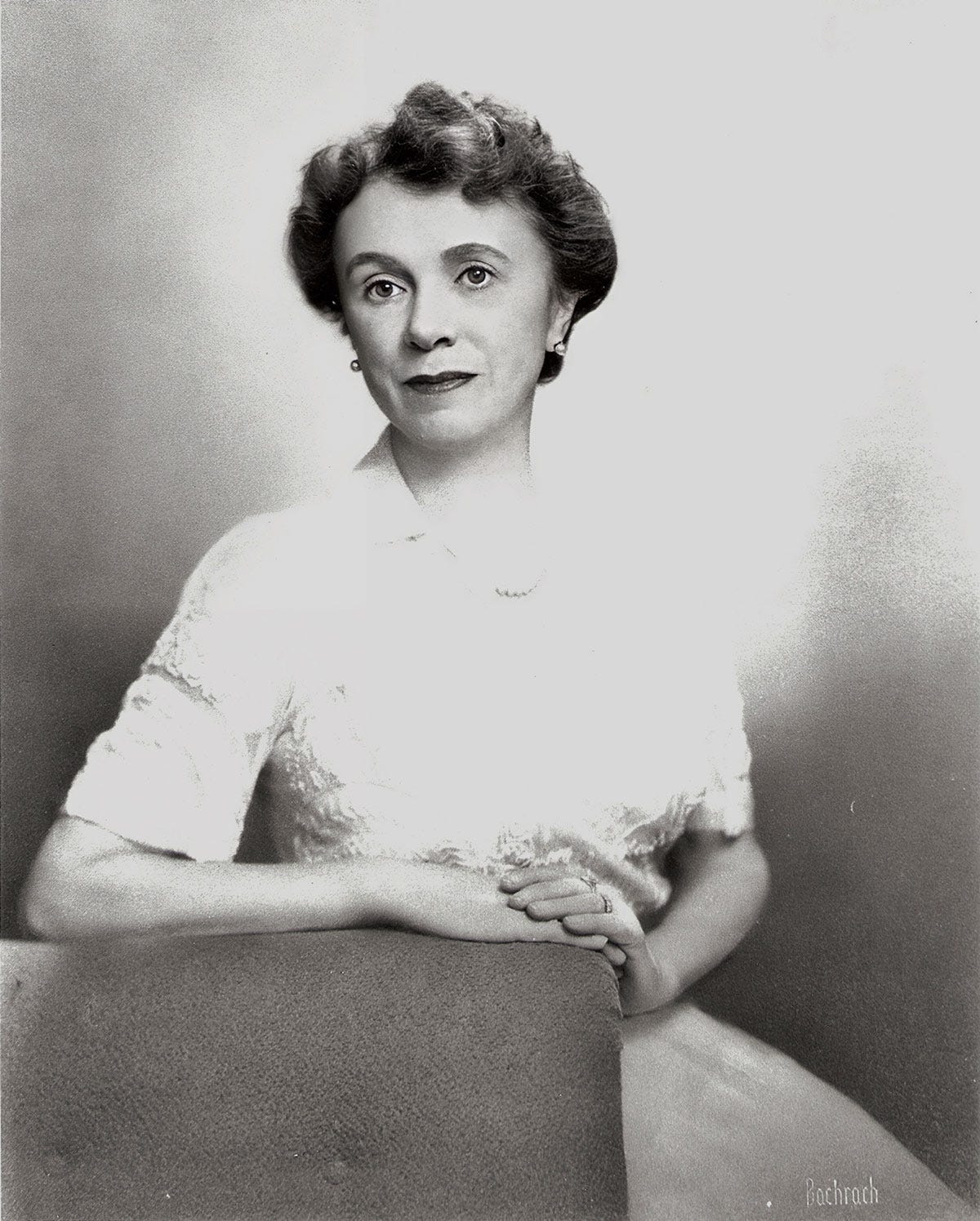
Here’s a transcript for Armistead’s talk: “The inspiration for Anna Madrigal was initially a trans woman I discovered while living in Charleston, South Carolina. Well, I didn’t exactly discover her—she was a local character—but that’s where the concept first came to me. When it came time to actually create the character, though, I relied on someone else entirely: my grandmother, Marguerite Barton, whose spirit was very much that of Anna.When I knew her, my grandmother lived in Arlington, Virginia, in a little apartment complex. My parents would sometimes send me up to stay with her for a week or two when they went on holiday, and I was always glad they did, because I got a full dose of my Grannie—who was a very airy-fairy kind of person.She was an Episcopalian — an Anglican — but she believed in reincarnation and various other beliefs that were prevalent in the early part of the twentieth century in England. I loved being with her because she made all things seem possible to me. She read palms — she read my palm frequently — and would often tell me what was going on, though she was a little mysterious about it too. She told me she thought I was the reincarnation of her cousin Curtis — her bachelor cousin Curtis — her very creative bachelor cousin Curtis. Without actually spelling it out, she let me know that she knew where I was heading.I have very distinct memories of Grannie asking me what I wanted to be in life. I told her I wanted to be a lawyer like Daddy. She knew that was a lie from the beginning. She knew I didn’t have it in me. But she sort of closed my hand — she was reading my palm at the time — and patted it, saying, “We’ll get back to that, don’t you worry.” She knew me before I knew me. That’s the best thing I can say about her.The last time I saw her was in her rest home in Alexandria. I’d been warned she might not recognize me, and she didn’t—not at first. I said, “It’s Teddy, Grannie,” and she made polite conversation, but I could tell she didn’t know who I was. I dwelt, in a very morbid way, thinking I’d lost her finally.When words failed me completely, I put my hand out for her to read — because she knew what that meant. She took a look at my hand and said, “Teddy, you’re in your thirties now.” That was the best thing I ever heard her say. She knew me. And she knew me through my hand — amazingly.I shall never forget her. I never have. I’m not alone in that, either — there were a lot of kids. I was the oldest of her grandchildren, so I was one of the few to really remember her. But there were others who loved her just as much as I did, for their own reasons — because she sussed out what everybody wanted and needed, and she gave support.She gave me permission to be who I was going to be. I wasn’t even aware myself that I was queer, but she seemed to know it early on. I’ll always be grateful to her for giving me permission to be myself at a time when I lived under very rigid rules at home in North Carolina, with a conservative father. She was the person who showed me the way into the light, really.She’d been a suffragist in England, actually touring the country for women’s rights. I didn’t realize until near the end of her life that she had never married my grandfather. He left behind a wife and family in England to be with her in America. I can understand it—I’d have left anyone for her too. But it must have been a traumatic thing for everybody at the time. They settled in the mountains of North Carolina, which is how my father came to meet my mother. Later, after my grandfather died, Granny lived in Alexandria and took a job teaching elocution to Episcopal priests at the university there. I think she was perfectly suited for that — she was a brilliant public speaker, and she knew how to tell people how to do it.So when I had to create Anna Madrigal, I went for the sweetest person I knew — my grandmother. So many things about her were handy in creating Anna: the fact that she read my palm, did spooky things like that, and read the Bhagavad Gita, for heaven’s sake — which Anna did too. There are many, many similarities between my grandmother and Anna.So yes — I relied on my Grannie completely for the creation of that transgender character. I learned a little bit about transgender people from Dawn Langley Hall in Charleston, but Grannie was the heart and soul — the spirit — of Anna.It was easy, because I knew there had to be some trans people out there who would feel the same way she would, and behave the same way she did. I didn’t have to rely on a character who was unpredictable or unknown to me. She was the source of love for me — Grannie — and remained so throughout her life.Now that I live in England, I feel another connection with her — that I’m in the place where she started out. My entry into England was through an Exceptional Talent visa — such an embarrassing name — and I’m fond of teasing Chris that he’s an “Exceptional Talent Spouse,” which is what it says on his papers.But it was because of Grannie that I was able to get citizenship. When I was sworn in, I felt that connection to her.On that last visit, Grannie told me she knew she was on her way out. She said, “When I die, if you feel a little breeze in the room, you’ll know that’s me.” Well, I’d like to say I felt that breeze — I never did. But I connected with her to such a degree that I feel she’s always with me.She’s especially with me in the character of Anna Madrigal. She makes herself manifest in that character — and I’m really happy about that, because it means I’ll never lose her. It’s also the way I’ve been able to share my grandmother with the world.It makes me feel especially good that people know what she would do under any given circumstance.”Many thanks to Armistead’s sister, Jane Maupin Yates, for providing us with so many wonderful images of their grandmother to use in the video and this post. This is a public episode. If you'd like to discuss this with other subscribers or get access to bonus episodes, visit armisteadmaupin.substack.com/subscribe
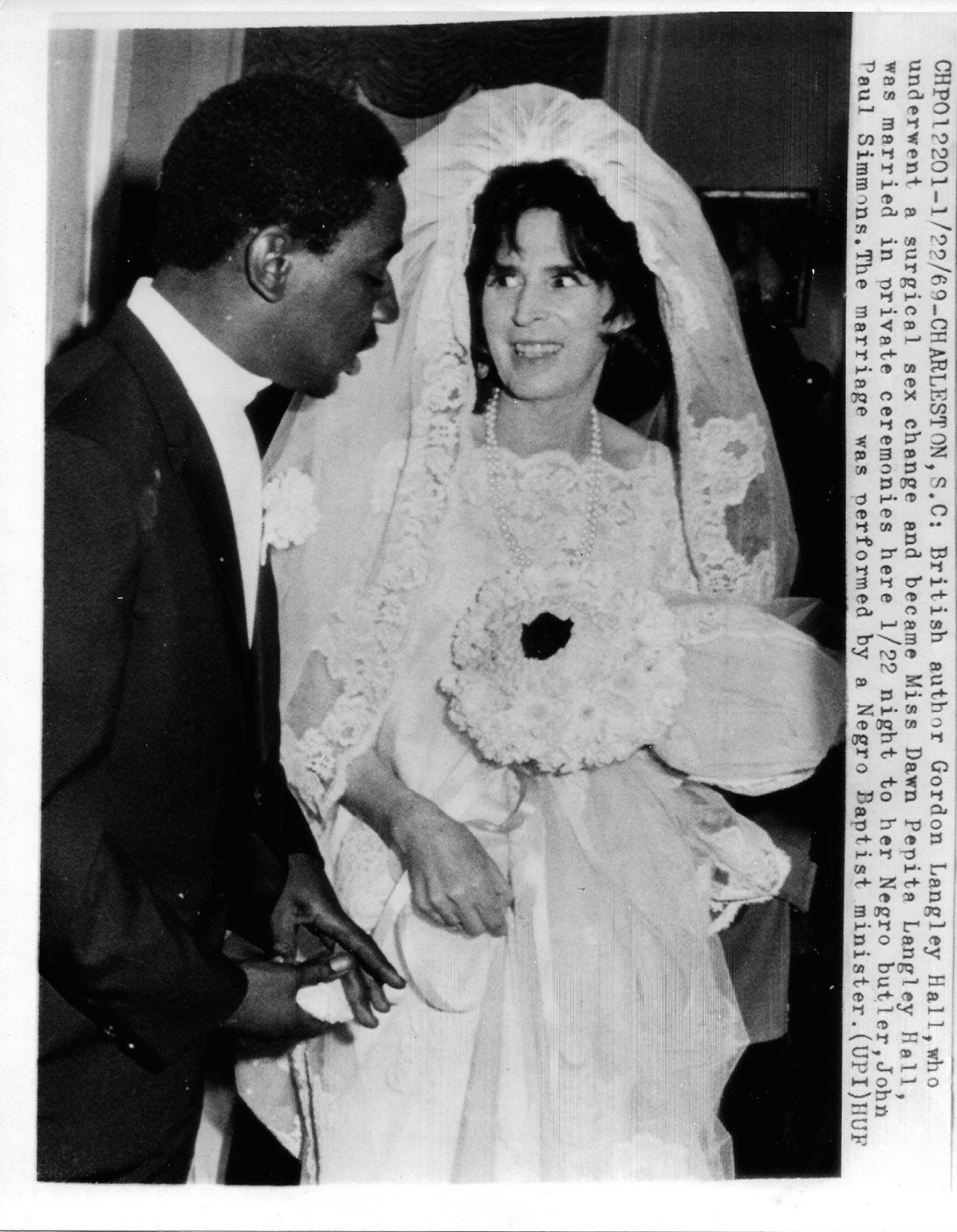
Here’s a transcript of Armistead’s talk:”When I graduated from Officer Candidate School in the late 1960s, I was stationed in Charleston, South Carolina — which I had actually requested, because I always thought Charleston was the most beautiful American city. Lucky me, I got sent to a destroyer tender based there.I didn’t count on how hot it would be, or how stinky it could get down at the ship. There were a lot of things about it I didn’t like, including the fact that I was living on a ship for the first time. But I loved the city. I loved seeing everything about it — the live oaks, the moss. If you’ve been there, you know what I’m talking about. It’s a spectacular place. Not so much politically these days, but still beautiful.One of the local characters at the time was someone named Gordon Langley Hall, who had arrived in Charleston to some fanfare. He came from a prestigious family — his mother was from British high society, and his father had been a chauffeur for Vita Sackville-West — so he had bohemian credentials that impressed people in Charleston.What didn’t impress them was that shortly after he arrived, he announced he was going to undergo gender-change surgery at Johns Hopkins. That news cooled the city’s enthusiasm for him rather quickly. And once he became a she — Dawn Langley Hall — she announced that she was marrying an African-American shrimp boat fisherman. That pretty much finished her reputation in Charleston. People could embrace a certain bohemian attitude, even queers, but this was too much for them.I saw her once, in a movie theater, and was fascinated by her. I always wondered what it would have been like to know her, but I never did. Still, she was the first person who introduced me — just by existing — to the idea of a transgender character. And I used that inspiration when I created Anna Madrigal.You’ve heard me say before that my grandmother was the chief inspiration for Anna — and that’s true for her spirit: the loving, kind, accepting person that Anna became was very much my grandmother. But the notion of a transgender person — that came from Charleston, and from Dawn Langley Hall.Dawn was a fascinating person. She’d been the adopted child of Margaret Rutherford, the great British actress who played Miss Marple — that sort of jowly old Englishwoman, very funny and formidable. When Rutherford learned that Dawn was marrying a Black man, she reportedly said, “Well, I have no problem with that — I’m just disappointed he’s a Baptist.” Which, frankly, would have disappointed just about anybody.Dawn’s marriage was significant for many reasons. She was the first transgender person to marry in South Carolina — and it was the first interracial marriage in South Carolina. Believe me, everybody talked about it. I remember hearing reverberations about it the whole time I lived there. Many people did so with a kind of grudging respect for this individual who was determined to be herself.As a young man, I was deeply impressed by that courage. At the time, I wasn’t yet out of the closet — not even to my friends in the Navy. I think there was one man I came out to, not even a sailor, but someone I liked and trusted. He was very understanding, and saw no reason to end our friendship.I even had my first sexual experience in Charleston — on the Battery, where the first shots of the Civil War were fired. That seemed appropriate in some ways.So when I began writing Tales of the City years later, Dawn was in the background of my imagination — not as a direct model, but as the spark that introduced me to the idea of a transgender character. I thought it would work beautifully in a story to have someone with a secret that no one knew about.But when I sat down to write in San Francisco, my grandmother kept showing up. Her spirit was the same as Anna’s — loving, accepting, and a little airy-fairy. Those qualities led me along as I wrote her story, and she stayed with me the whole time.I’ll tell you more about how my grandmother influenced Anna Madrigal in the next episode. I hope you’ll join me.”Armistead also told me when Dawn died in September 2000, some Charlestonians expressed regret for how they’d treated her. While local coverage didn’t frame it as a city-wide apology, accounts of her funeral describe an uncommon gathering—white gay elders and Black churchgoers side by side—which feels like a late, quiet acknowledgment of her courage. She was a trailblazer. This is a public episode. If you'd like to discuss this with other subscribers or get access to bonus episodes, visit armisteadmaupin.substack.com/subscribe

Here’s a transcript of his talk: I’d like to have a few words today with my gay and lesbian brothers and sisters.I have noticed — on my page on Facebook and elsewhere — that there have been people who identify as gay or lesbian, but who think that entitles them to exclude trans people from the equation. I came from a time and a place where we were all talking about “LGBT,” and that meant including trans folk.Now, there are people who are telling me — oh, what is the line they use? “It’s not a binary situation.” You know… all of this is gobbledygook for people who want to exclude some people from the right to exist. And it would be shameful, on the part of anybody I know, to support that thesis.I can’t remember a time — since the beginning of the gay rights movement — when we weren’t in this together. It was not an alien thing to me to support trans folk. In fact, it made sense on some level, because they were a variation of our own experience that I couldn’t personally experience. But I understood their right to be who they are. And I realized that we were fighting against the same foes — the same people that hate us, hate the trans community.And, you know, Nigel Farage wants to eliminate the Equality Act in England. And in doing so, he would take away all of our rights. I mean — I shouldn’t have to appeal to your self-interest here. The point is that we are stronger together — always have been — and to settle back into some cozy, middle-class sense of what we are as a gay or lesbian person, and not include trans people, is a really bad mistake. And it’s an unkindness, frankly, that you can’t be guilty of.“We are stronger together — always have been — and to settle into some cozy middle-class sense of what we are as gay or lesbian people, and not include trans folks, is a really bad mistake.”I don’t want anybody to be left out of the picture.And so here I am — this 81-year-old queer — asking you to do the same: to stand up and fight for trans people. And not just because we’re in it together, but because it’s the decent thing to do.The noise against trans folk has been greater than it’s been in years. And I think that’s why some gay men and lesbians are sort of chickening out and want to abandon trans people. We cannot do that. We have to stand up for everybody. And we have to realize that that’s where our strength comes from.So I hope we can fight this battle together — basically because that’s the only way we’re going to win. And I’ve long ago stopped worrying about winning, because I’m 81 years old, and who knows — there’ll still be a fuss going on after I’m dead — but I hope we’ll stay on the side of the good guys, our own side, and support trans folk whenever it’s necessary.It’s often necessary right now. That’s why I’m even saying this — because it’s the one fight that seems to be still up for grabs, and that is not the time to leave these people behind.We cannot do that. We must be good guys. We must be good queers. This is a public episode. If you'd like to discuss this with other subscribers or get access to bonus episodes, visit armisteadmaupin.substack.com/subscribe

Isherwood was not only a literary hero of Armistead’s (as you’ll note from the earlier episode on Isherwood), he was a dear friend and mentor. A Single Man, which was published in 1964, is often regarded as his best work. It follows a single day in the life of George, a gay man who is mourning the loss of his longtime partner. I imagine most of you will also know of the wonderful 2009 film adaptation by Tom Ford. What are your thoughts about the book (or movie)? Please feel free to share your comments so we can continue the conversation together. This is a public episode. If you'd like to discuss this with other subscribers or get access to bonus episodes, visit armisteadmaupin.substack.com/subscribe

Armistead was invited to the Oval Office when Richard Nixon was President (don’t worry, it’s not a moment he’s proud of). He reflects on what it was like being at the White House, as well as this physical manifestation of Trump tearing America apart. If you haven’t read the Maureen Dowd piece that came out yesterday on the subject, it’s a great read. This is a public episode. If you'd like to discuss this with other subscribers or get access to bonus episodes, visit armisteadmaupin.substack.com/subscribe
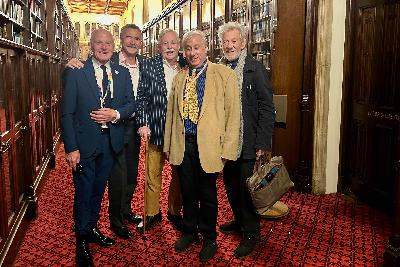
Michael Cashman came from a humble, working-class background, growing up in London’s East End. His acting talent was recognized early, and at just 14 he starred in Oliver! in the 1960s. He later became known to millions as Colin Russell on EastEnders—the show’s first gay character. In 1987, his on-screen kiss with his character’s boyfriend made history as the first gay kiss on British television.In 1989, he co-founded Stonewall, the UK’s leading LGBT rights charity, originally formed to campaign against Section 28. Among the other founders were Ian McKellen and Lisa Power.Michael went on to serve as a Member of the European Parliament for the West Midlands from 1999 to 2014. After stepping down, he was appointed to the House of Lords, where he remains an active and tireless advocate for LGBT rights. His journey has been extraordinary, and his passion for justice is truly inspiring.In this Tea, Armistead draws out Michael’s funny, heartfelt, and wise reflections on his remarkable life. He is, quite simply, an inspiration. This is a public episode. If you'd like to discuss this with other subscribers or get access to bonus episodes, visit armisteadmaupin.substack.com/subscribe
Armistead met Tammy in the 1980s, and they quickly became close friends. Standing just 31 inches tall, she still is, recognized as the shortest ever actress in the world. Armistead has described her as having “a bit of a Bette Midler personality in a little person’s body.” She was the life of every gathering she attended. After they met, she went on to play E.T. in Steven Spielberg’s film—or more accurately, one of the people inside the E.T. suit who helped bring the character to life. She longed to be an actress who was truly seen, but sadly had trouble finding a role that let her vibrant personality shine. It certainly does, however, in the novel Maybe the Moon, through the character of Cadence Roth. So come along for a heartfelt Dispatch that shares more about the woman behind Maybe the Moon—and how she worked her way into Armistead’s heart. This is a public episode. If you'd like to discuss this with other subscribers or get access to bonus episodes, visit armisteadmaupin.substack.com/subscribe
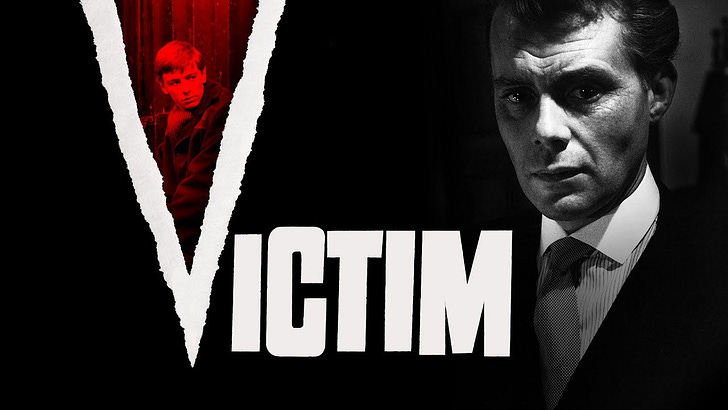
In our latest Dispatch, we take you on a tour of some of our favorite spots in Soho, with a detour to the historic Salisbury Pub. The Salisbury was a well-known gay hangout from the time of Oscar Wilde through the 1980s, and it played a starring role in the groundbreaking 1961 film Victim. That film was the first to use the word “homosexual” on screen and was banned in the US for being too sordid for American audiences. In the UK, it found a respectable audience and helped spark a public dialogue that eventually led to the decriminalization of homosexuality in 1967. It’s regarded as one of the first Western films to portray gay men in a sympathetic light.From there, we wander through Chinatown and on to The Duke of Wellington on Wardour Street — a bar that remains proudly gay — before finishing at one of our regular haunts, The Old Compton Brasserie, for dinner.Join us for a bit of queer history, a few belly laughs, an ample dose of Zeke’s cuteness, and even a brief cameo from the Hare Krishnas. What more could you want from an afternoon in Soho?The song we play in this Dispatch is: “Lucky Day” by George Olsen (1926) This is a public episode. If you'd like to discuss this with other subscribers or get access to bonus episodes, visit armisteadmaupin.substack.com/subscribe
This is a public episode. If you'd like to discuss this with other subscribers or get access to bonus episodes, visit armisteadmaupin.substack.com/subscribe

Mona of the Manor and Babycakes feature a manor house inspired by Stanway House in the Cotswolds, about a two-and-a-half-hour drive from London. In this video, Armistead tells how he first visited Stanway in the 1980s—and how we recently returned. I was awestruck.Stanway is widely considered one of the most beautiful Jacobean manor houses in England. One of the most striking things about it is its funky, lived-in feel. It’s not like walking into a museum. There are books piled on tables along with bric-a-brac, and as your eye sweeps up you see family crests and centuries-old paintings—quite possibly hanging in the same places they’ve occupied since they were first painted.The current manor was built in the 16th and 17th centuries and has been in Jamie’s family ever since. For the 800 years before that, a manor on the site belonged to Tewkesbury Abbey.An intriguing tidbit of history of the house, is that James Barrie, the author Peter Pan, often stayed at the house during the summers of 1920 to 1932. If you remember the scene in the beginning of the movie Finding Neverland, where Barrie plays a game using a coin to try to stick stamps to the ceiling—that was at Stanway House. Armistead has been in that room where the stamps are still on the ceiling. Jamie is a gracious, down-to-earth lord of the manor who has led a notably bohemian life. His official title is Jamie Charteris, 13th Earl of Wemyss (pronounced “weems”). He was married to Catherine Guinness from 1983 to 1988, and then to Amanda Feilding from 1995 until her death this past spring. Amanda was a leading advocate for psychedelic therapy for many years and co-founded the Beckley/Imperial Psychedelic Research Programme at Imperial College London. That program, along with the research program at Johns Hopkins, is considered at the forefront of exploring the healing properties of psychedelics for various conditions.For his part, Jamie has been creative in finding ways to sustain the remarkable estate entrusted to him, as Armistead discusses in the video.With that, pull up a chair and hear Armistead’s stories about Stanway House. You’ll also see some great photos of Armistead from his 1980s trip to London, when he was first introduced to Jamie and to Stanway. This is a public episode. If you'd like to discuss this with other subscribers or get access to bonus episodes, visit armisteadmaupin.substack.com/subscribe
Transcript“You remember that old ad we used to see on TV — “I’ve fallen and I can’t get up.” It was a pitiful old lady who’d hit the ground somewhere and couldn’t get up. It was so badly done. That was kind of a joke, but they were trying to deliver a message I got loud and clear the other night when I fell and couldn’t get up.Chris wasn’t at home at the time. I was in my bedroom, and I needed to get up and go to the toilet. I slipped on my way there and came crashing down. I was worried mostly about Zeke, who reads my every emotion. He was sitting on the edge of the bed, paws hanging over the side, looking at me like, What happened? I explained to him that it was okay, it was going to be all right.It was the middle of the night, and I needed sleep. I decided, why fight it when you can’t get up? So I didn’t. I don’t think I slept, but I lay there for a long time collecting myself.No sooner had I gotten up to go to the bathroom and take a shower than I slipped in the shower. I couldn’t believe it was happening to me. I cracked my head on the side of the tub. You can see a little of the dark bruising.Eventually I made my way back to the bed — the bathroom is right beside it — and collapsed. Fortunately, I have that gift: I can fall asleep when I need to. Zeke came and joined me, keeping an eye on me all night long. I was very touched by it.But it was pretty scary, a wake-up call in many ways. I don’t know exactly what I was waking up to. I guess I’m going to have to get one of those watches that allow you to notify the world that you’ve fallen. I think that’s what I’ll do.Other than that, I’m still here. I’m not dead yet. I felt like it at the time, I have to say. It was scary. Those sobering moments like that make me think about what depresses me about the state of the world — the terrible anger and all of the people who want to make the world a worse place and are thriving on it.We’re in a really sick period of depression. The world itself is suffering, and I don’t know how we can get out of it. I may be speaking to you from a slightly depressed moment here, but I feel I should say something about it. I don’t like the way the world is going right now, and we all know what I mean.I don’t want to discuss anybody who’s been martyred, or anybody who thinks they have valid opinions of the world. I’m just sad to see it — sad to see that people can be that ugly to each other.That’s all I have to say, really. I’ll try to be more cheerful next time and tell you something about my life, things I’ve loved and people I’ve loved. But right now, I’ve fallen and I can’t get up. I’m living with that. I’m sitting with it. I hope you don’t mind me sharing it with you.” This is a public episode. If you'd like to discuss this with other subscribers or get access to bonus episodes, visit armisteadmaupin.substack.com/subscribe
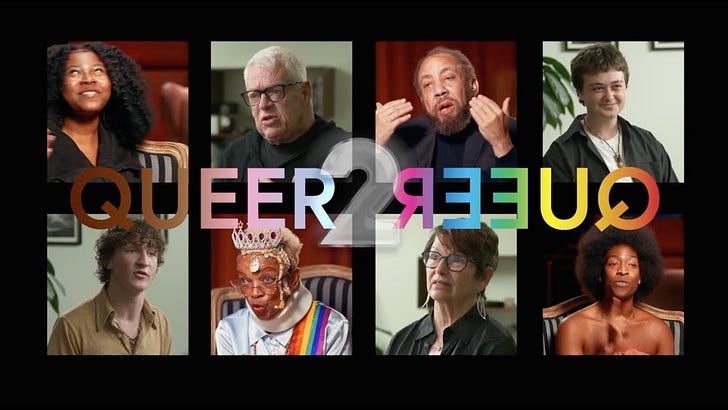
In the very first “Tea with Armistead,” Armistead sits down with his longtime friend Celeste Lecesne—founder of The Trevor Project and The Future Perfect Project. What begins as laughter and reminiscence unfolds into a moving conversation about queer ancestry, chosen family, and the urgent need to protect and uplift the next generation. Everyone needs a little Celeste in their life: through their acting, writing, and the amazing organizations they’ve founded, they are a tireless advocate for young queer people, and one of our favorite people on the planet. We’re sure you’ll feel the same.Links:The Trevor ProjectThe Future Perfect Project This is a public episode. If you'd like to discuss this with other subscribers or get access to bonus episodes, visit armisteadmaupin.substack.com/subscribe
This is a public episode. If you'd like to discuss this with other subscribers or get access to bonus episodes, visit armisteadmaupin.substack.com/subscribe
This is a public episode. If you'd like to discuss this with other subscribers or get access to bonus episodes, visit armisteadmaupin.substack.com/subscribe

Comments

Download from Google Play

Download from App Store
 United States