


Creating Anna Madrigal - Part 2
Description
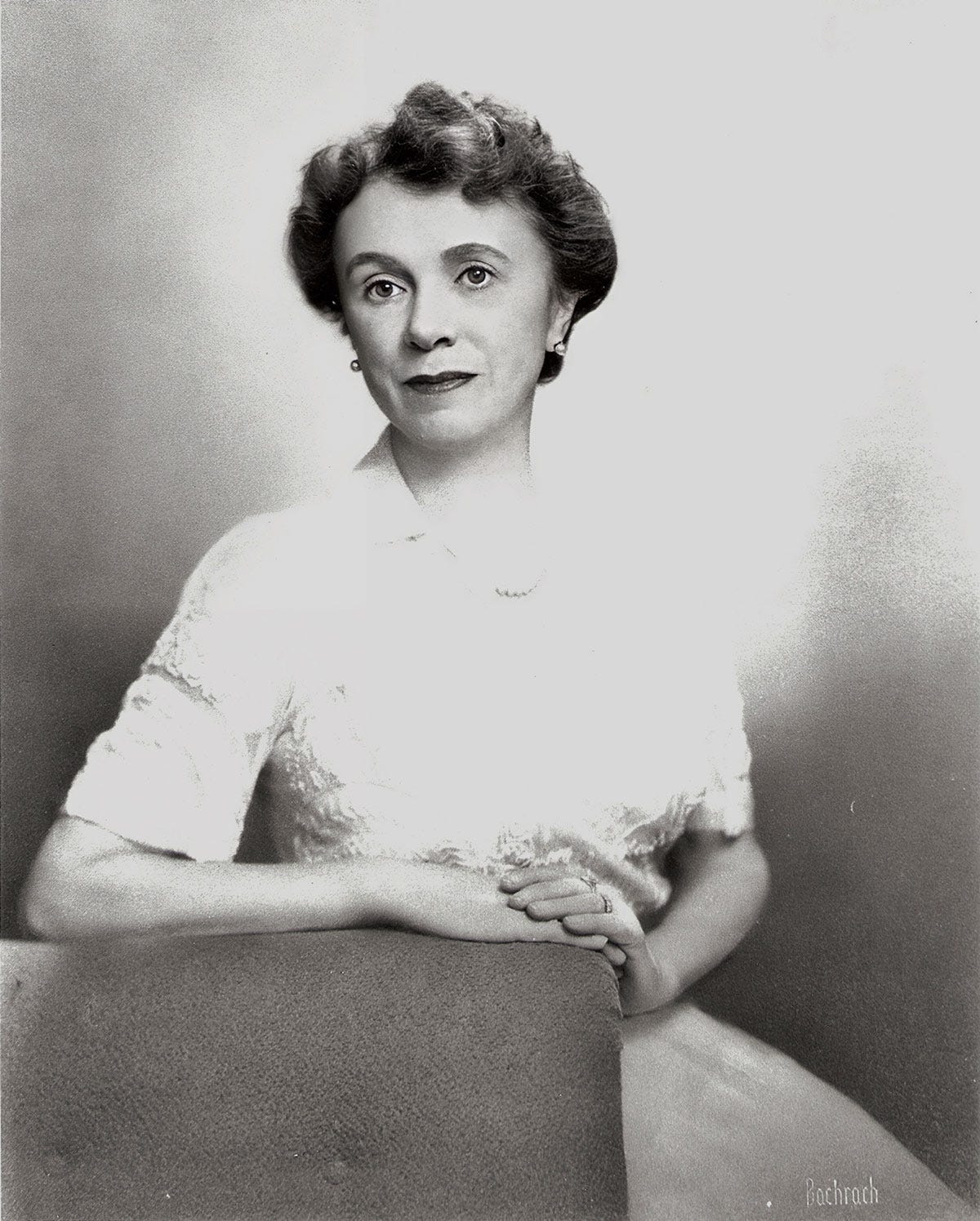
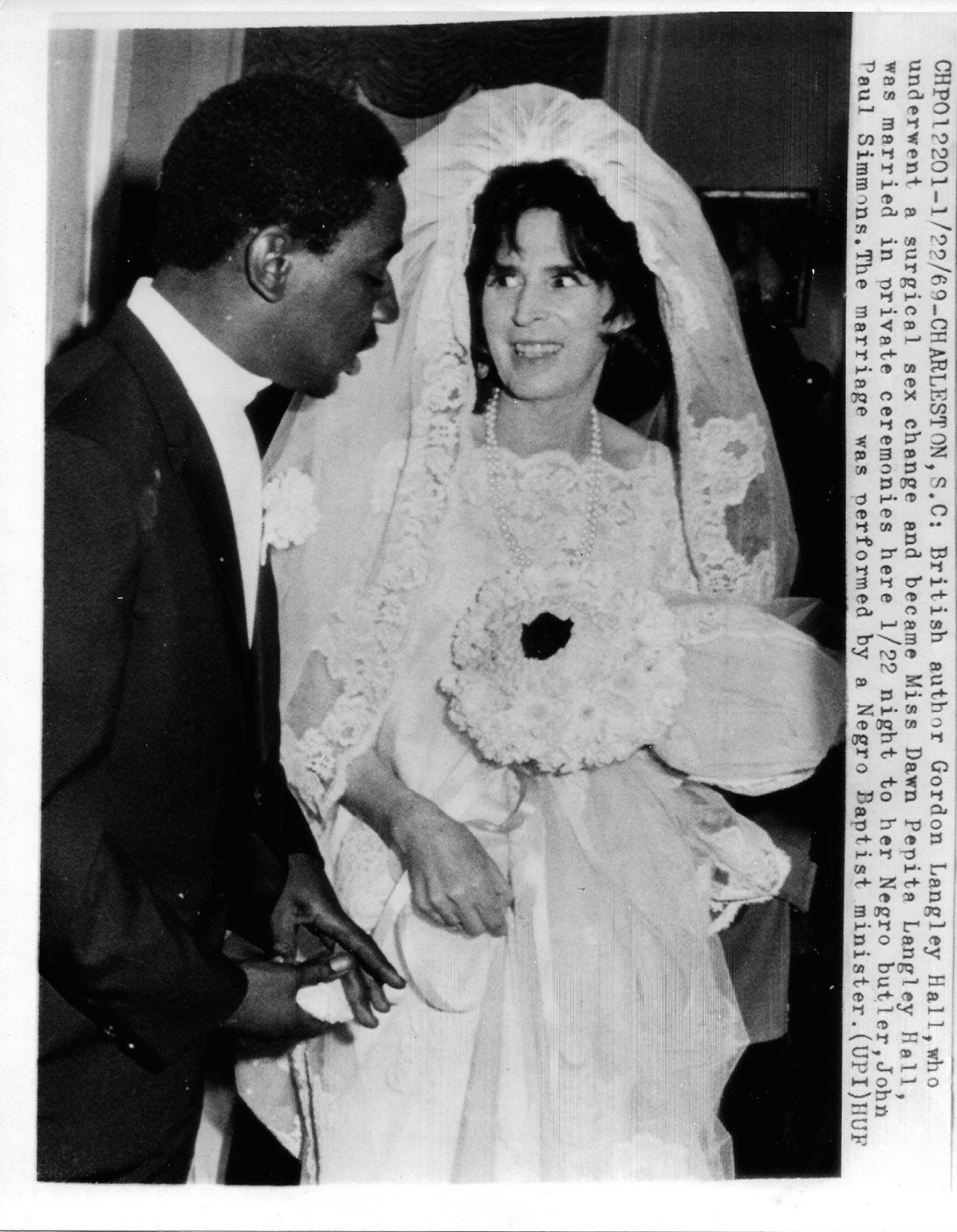
Here’s a transcript for Armistead’s talk: “The inspiration for Anna Madrigal was initially a trans woman I discovered while living in Charleston, South Carolina. Well, I didn’t exactly discover her—she was a local character—but that’s where the concept first came to me. When it came time to actually create the character, though, I relied on someone else entirely: my grandmother, Marguerite Barton, whose spirit was very much that of Anna.
When I knew her, my grandmother lived in Arlington, Virginia, in a little apartment complex. My parents would sometimes send me up to stay with her for a week or two when they went on holiday, and I was always glad they did, because I got a full dose of my Grannie—who was a very airy-fairy kind of person.
She was an Episcopalian — an Anglican — but she believed in reincarnation and various other beliefs that were prevalent in the early part of the twentieth century in England. I loved being with her because she made all things seem possible to me.
She read palms — she read my palm frequently — and would often tell me what was going on, though she was a little mysterious about it too. She told me she thought I was the reincarnation of her cousin Curtis — her bachelor cousin Curtis — her very creative bachelor cousin Curtis. Without actually spelling it out, she let me know that she knew where I was heading.
I have very distinct memories of Grannie asking me what I wanted to be in life. I told her I wanted to be a lawyer like Daddy. She knew that was a lie from the beginning. She knew I didn’t have it in me. But she sort of closed my hand — she was reading my palm at the time — and patted it, saying, “We’ll get back to that, don’t you worry.” She knew me before I knew me. That’s the best thing I can say about her.
The last time I saw her was in her rest home in Alexandria. I’d been warned she might not recognize me, and she didn’t—not at first. I said, “It’s Teddy, Grannie,” and she made polite conversation, but I could tell she didn’t know who I was. I dwelt, in a very morbid way, thinking I’d lost her finally.
When words failed me completely, I put my hand out for her to read — because she knew what that meant. She took a look at my hand and said, “Teddy, you’re in your thirties now.” That was the best thing I ever heard her say. She knew me. And she knew me through my hand — amazingly.
I shall never forget her. I never have. I’m not alone in that, either — there were a lot of kids. I was the oldest of her grandchildren, so I was one of the few to really remember her. But there were others who loved her just as much as I did, for their own reasons — because she sussed out what everybody wanted and needed, and she gave support.
She gave me permission to be who I was going to be. I wasn’t even aware myself that I was queer, but she seemed to know it early on. I’ll always be grateful to her for giving me permission to be myself at a time when I lived under very rigid rules at home in North Carolina, with a conservative father. She was the person who showed me the way into the light, really.
She’d been a suffragist in England, actually touring the country for women’s rights. I didn’t realize until near the end of her life that she had never married my grandfather. He left behind a wife and family in England to be with her in America. I can understand it—I’d have left anyone for her too. But it must have been a traumatic thing for everybody at the time.
They settled in the mountains of North Carolina, which is how my father came to meet my mother. Later, after my grandfather died, Granny lived in Alexandria and took a job teaching elocution to Episcopal priests at the university there. I think she was perfectly suited for that — she was a brilliant public speaker, and she knew how to tell people how to do it.
So when I had to create Anna Madrigal, I went for the sweetest person I knew — my grandmother. So many things about her were handy in creating Anna: the fact that she read my palm, did spooky things like that, and read the Bhagavad Gita, for heaven’s sake — which Anna did too. There are many, many similarities between my grandmother and Anna.
So yes — I relied on my Grannie completely for the creation of that transgender character. I learned a little bit about transgender people from Dawn Langley Hall in Charleston, but Grannie was the heart and soul — the spirit — of Anna.
It was easy, because I knew there had to be some trans people out there who would feel the same way she would, and behave the same way she did. I didn’t have to rely on a character who was unpredictable or unknown to me. She was the source of love for me — Grannie — and remained so throughout her life.
Now that I live in England, I feel another connection with her — that I’m in the place where she started out. My entry into England was through an Exceptional Talent visa — such an embarrassing name — and I’m fond of teasing Chris that he’s an “Exceptional Talent Spouse,” which is what it says on his papers.
But it was because of Grannie that I was able to get citizenship. When I was sworn in, I felt that connection to her.
On that last visit, Grannie told me she knew she was on her way out. She said, “When I die, if you feel a little breeze in the room, you’ll know that’s me.” Well, I’d like to say I felt that breeze — I never did. But I connected with her to such a degree that I feel she’s always with me.
She’s especially with me in the character of Anna Madrigal. She makes herself manifest in that character — and I’m really happy about that, because it means I’ll never lose her. It’s also the way I’ve been able to share my grandmother with the world.
It makes me feel especially good that people know what she would do under any given circumstance.”
Many thanks to Armistead’s sister, Jane Maupin Yates, for providing us with so many wonderful images of their grandmother to use in the video and this post.
This is a public episode. If you'd like to discuss this with other subscribers or get access to bonus episodes, visit armisteadmaupin.substack.com/subscribe








 United States
