


Creating Anna Madrigal - Part 1
Description
Here’s a transcript of Armistead’s talk:”When I graduated from Officer Candidate School in the late 1960s, I was stationed in Charleston, South Carolina — which I had actually requested, because I always thought Charleston was the most beautiful American city. Lucky me, I got sent to a destroyer tender based there.
I didn’t count on how hot it would be, or how stinky it could get down at the ship. There were a lot of things about it I didn’t like, including the fact that I was living on a ship for the first time. But I loved the city. I loved seeing everything about it — the live oaks, the moss. If you’ve been there, you know what I’m talking about. It’s a spectacular place. Not so much politically these days, but still beautiful.
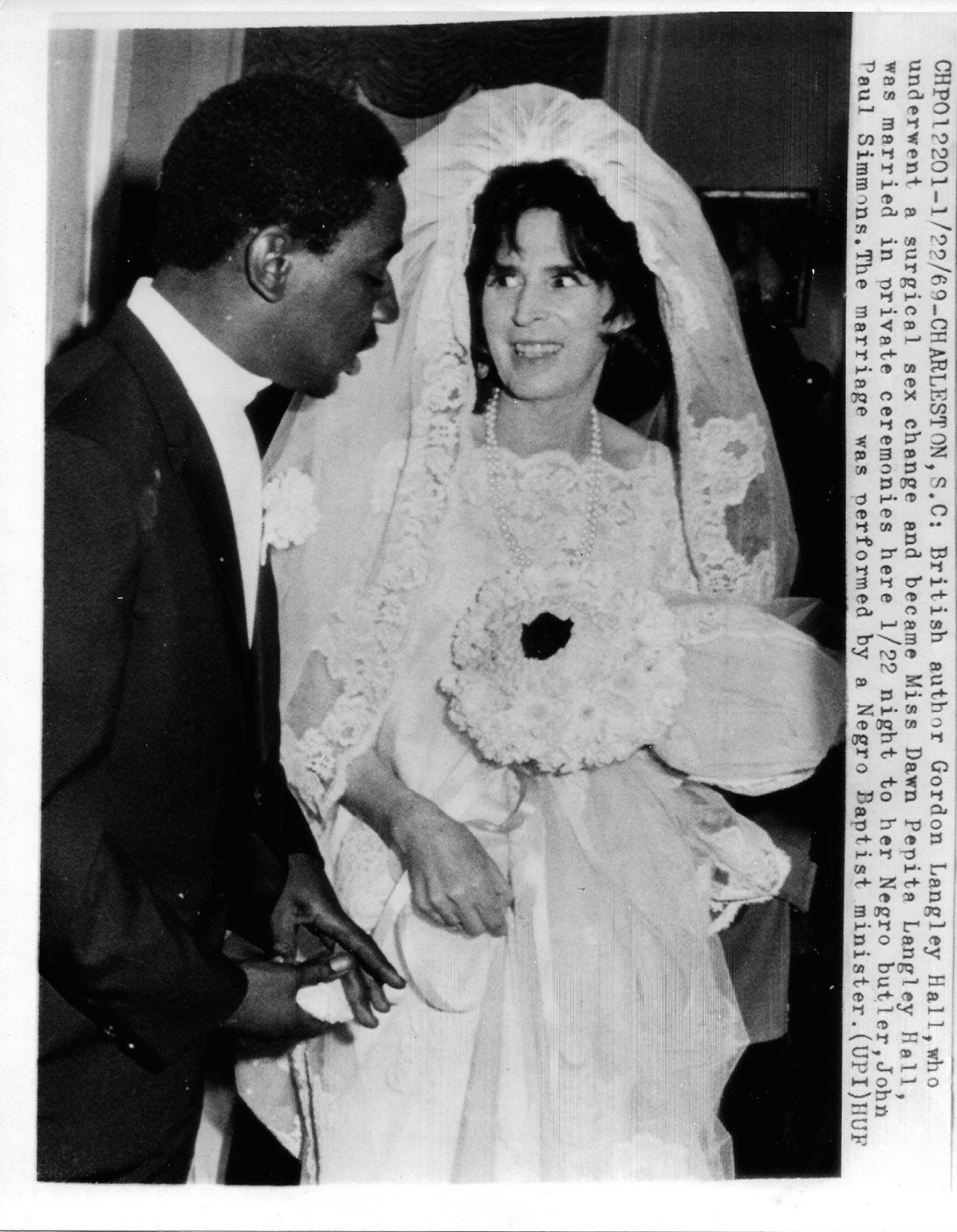
One of the local characters at the time was someone named Gordon Langley Hall, who had arrived in Charleston to some fanfare. He came from a prestigious family — his mother was from British high society, and his father had been a chauffeur for Vita Sackville-West — so he had bohemian credentials that impressed people in Charleston.
What didn’t impress them was that shortly after he arrived, he announced he was going to undergo gender-change surgery at Johns Hopkins. That news cooled the city’s enthusiasm for him rather quickly. And once he became a she — Dawn Langley Hall — she announced that she was marrying an African-American shrimp boat fisherman. That pretty much finished her reputation in Charleston. People could embrace a certain bohemian attitude, even queers, but this was too much for them.
I saw her once, in a movie theater, and was fascinated by her. I always wondered what it would have been like to know her, but I never did. Still, she was the first person who introduced me — just by existing — to the idea of a transgender character. And I used that inspiration when I created Anna Madrigal.
You’ve heard me say before that my grandmother was the chief inspiration for Anna — and that’s true for her spirit: the loving, kind, accepting person that Anna became was very much my grandmother. But the notion of a transgender person — that came from Charleston, and from Dawn Langley Hall.
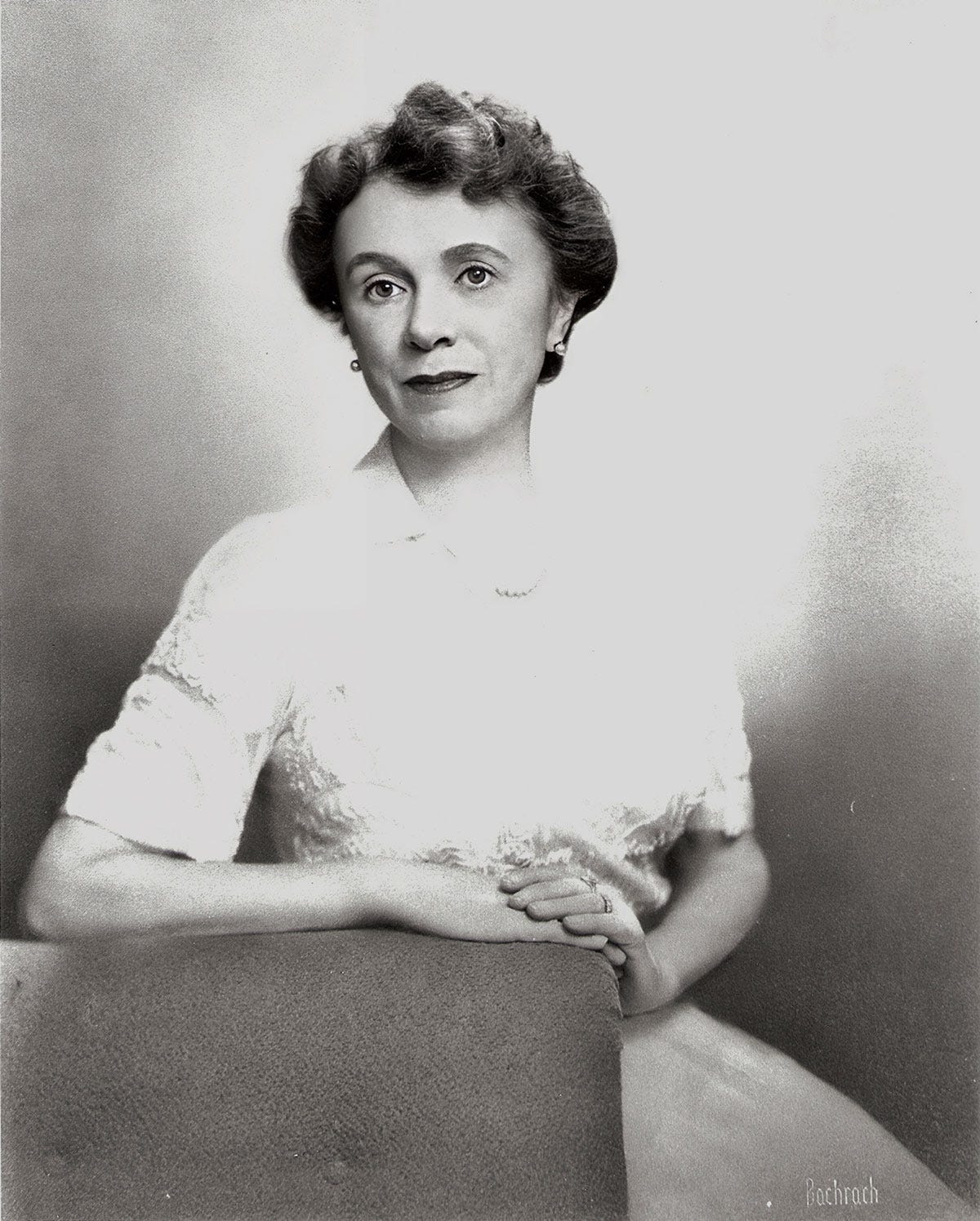
Dawn was a fascinating person. She’d been the adopted child of Margaret Rutherford, the great British actress who played Miss Marple — that sort of jowly old Englishwoman, very funny and formidable. When Rutherford learned that Dawn was marrying a Black man, she reportedly said, “Well, I have no problem with that — I’m just disappointed he’s a Baptist.” Which, frankly, would have disappointed just about anybody.
Dawn’s marriage was significant for many reasons. She was the first transgender person to marry in South Carolina — and it was the first interracial marriage in South Carolina. Believe me, everybody talked about it. I remember hearing reverberations about it the whole time I lived there. Many people did so with a kind of grudging respect for this individual who was determined to be herself.
As a young man, I was deeply impressed by that courage. At the time, I wasn’t yet out of the closet — not even to my friends in the Navy. I think there was one man I came out to, not even a sailor, but someone I liked and trusted. He was very understanding, and saw no reason to end our friendship.
I even had my first sexual experience in Charleston — on the Battery, where the first shots of the Civil War were fired. That seemed appropriate in some ways.
So when I began writing Tales of the City years later, Dawn was in the background of my imagination — not as a direct model, but as the spark that introduced me to the idea of a transgender character. I thought it would work beautifully in a story to have someone with a secret that no one knew about.
But when I sat down to write in San Francisco, my grandmother kept showing up. Her spirit was the same as Anna’s — loving, accepting, and a little airy-fairy. Those qualities led me along as I wrote her story, and she stayed with me the whole time.
I’ll tell you more about how my grandmother influenced Anna Madrigal in the next episode. I hope you’ll join me.”
Armistead also told me when Dawn died in September 2000, some Charlestonians expressed regret for how they’d treated her. While local coverage didn’t frame it as a city-wide apology, accounts of her funeral describe an uncommon gathering—white gay elders and Black churchgoers side by side—which feels like a late, quiet acknowledgment of her courage. She was a trailblazer.
This is a public episode. If you'd like to discuss this with other subscribers or get access to bonus episodes, visit armisteadmaupin.substack.com/subscribe








 United States
