


 Claim Ownership
Cybersecurity Tech Brief By HackerNoon
Subscribed: 32Played: 195
Subscribe

© 2026 HackerNoon
Description
Learn the latest Cybersecurity updates in the tech world.
561 Episodes
Reverse

This story was originally published on HackerNoon at: https://hackernoon.com/testing-unauthorized-process-manipulation-in-openplc.
A practical OpenPLC v3 security investigation testing unauthorized Modbus TCP writes, process image manipulation, and their effects on a simulated industrial co
Check more stories related to cybersecurity at: https://hackernoon.com/c/cybersecurity.
You can also check exclusive content about #cybersecurity, #industrial-control-systems, #ot-security, #ics-ot-security, #openplc-architecture, #modbus, #scada, #ics, and more.
This story was written by: @404saint. Learn more about this writer by checking @404saint's about page,
and for more stories, please visit hackernoon.com.
I tested whether a Modbus TCP client could modify OpenPLC v3 process variables without authorization, then monitored how those changes affected a simulated tank control process.
This story was originally published on HackerNoon at: https://hackernoon.com/how-to-take-down-a-phishing-website-using-python.
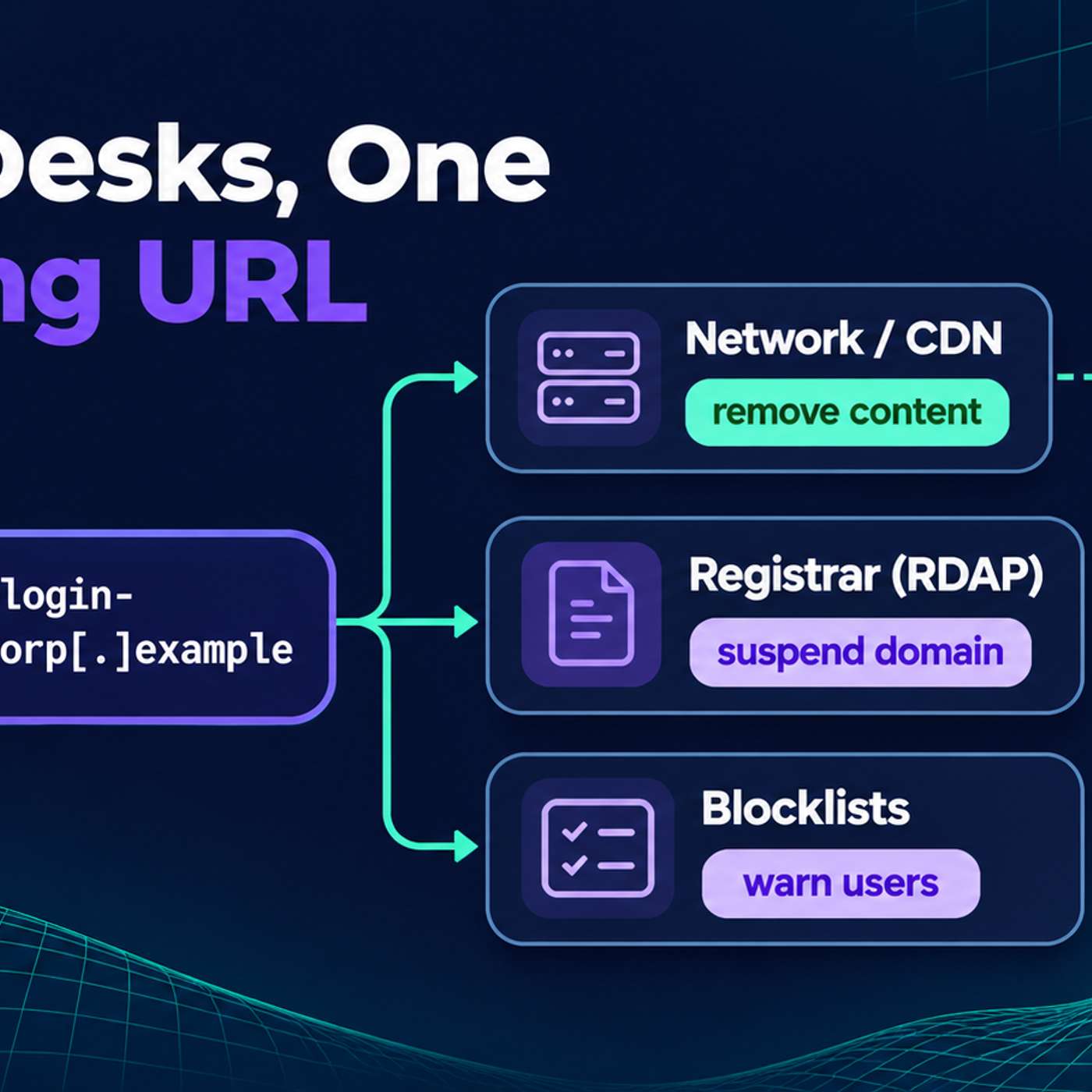
Take down a phishing site impersonating your brand: find the host, CDN and registrar behind it, then send each abuse desk evidence it can act on.
Check more stories related to cybersecurity at: https://hackernoon.com/c/cybersecurity.
You can also check exclusive content about #security, #phishing, #devops, #python, #phishing-website-takedown, #phishing-abuse-reports, #rdap-lookup, #phishing-blocklists, and more.
This story was written by: @abdullah-jf. Learn more about this writer by checking @abdullah-jf's about page,
and for more stories, please visit hackernoon.com.
A phishing site takedown is a routing problem. This Python script finds every IP, the network and abuse desk behind each one, the registrar via RDAP, and drafts one report per desk.

This story was originally published on HackerNoon at: https://hackernoon.com/the-complete-guide-to-hipaagdpr-compliant-ai-inference-self-hosting-open-source-models.
HIPAA and GDPR compliance for AI inference: compare hosted APIs and self-hosting, explore privacy risks and secure open-source inference servers.
Check more stories related to cybersecurity at: https://hackernoon.com/c/cybersecurity.
You can also check exclusive content about #hipaa-compliance, #gdpr-compliance, #ai-security, #self-hosted-llm, #open-source-llms, #self-hosted-inference-servers, #good-company, #hipaa-compliant-ai-inference, and more.
This story was written by: @merry-n-proprietary. Learn more about this writer by checking @merry-n-proprietary's about page,
and for more stories, please visit hackernoon.com.
Self-hosting open-source models on infrastructure you control is the most direct way to manage HIPAA and GDPR compliance requirements, but it's not the only option. Hosted options like OpenAI and Anthropic offer HIPAA-related contracts for eligible features, but they come with their own set of limitations.

This story was originally published on HackerNoon at: https://hackernoon.com/178-organizations-served-malware-through-optimizely-what-have-the-companies-said.
178 organizations served malware through compromised Optimizely scripts. From CNN to Zoom and Salesforce, here’s what happened and how companies responded.
Check more stories related to cybersecurity at: https://hackernoon.com/c/cybersecurity.
You can also check exclusive content about #malware, #malware-outbreak, #served-malware, #optimizely, #salesforce, #optimizely-malware, #cybersecurity-incident, #hackernoon-top-story, and more.
This story was written by: @cyberespionage. Learn more about this writer by checking @cyberespionage's about page,
and for more stories, please visit hackernoon.com.
A supply-chain attack compromised Optimizely-hosted JavaScript, causing 178 organizations—including CNN, BBC, Zoom, Salesforce, HSBC, and IKEA—to unknowingly serve malicious code to website visitors. The malware targeted cryptocurrency transactions, payment information, and potentially iPhone users. Optimizely says it notified affected business customers, while Salesforce, Zoom, Equifax, and IKEA have publicly addressed the incident. But how many affected companies warned their own website visitors remains unclear, raising questions about transparency and accountability when third-party software compromises major websites.
This story was originally published on HackerNoon at: https://hackernoon.com/the-flaw-chipmakers-spent-50-years-fighting-is-now-their-best-feature-memory-chip-fingerprinting.
Check more stories related to cybersecurity at: https://hackernoon.com/c/cybersecurity.
You can also check exclusive content about #cybersecurity, #privacy, #hardware, #hackernoon-top-story, #memory-chip, #chip-fingerprinting, #chip-design, #computer-chips, and more.
This story was written by: @DuckHat. Learn more about this writer by checking @DuckHat's about page,
and for more stories, please visit hackernoon.com.
Every memory chip is designed to be exactly the same as all others, and none ever succeeds. They awaken with their own unique likes, leak at their own unique rate and react uniquely under stress. Decades of fighting such errors were abandoned when it was discovered that these faults do not duplicate between any two chips. Here is how one manufacturing flaw became an unclonable ID and how it can be used to identify you.

Comments

Download from Google Play

Download from App Store
 United States