


Restaurant Growth Hub by Foodcus
Subscribed: 1Played: 22
Subscribe

© Foodcus
Description
Welcome to Restaurant Growth Hub by Foodcus, the ultimate podcast for restaurant owners, managers, and food industry professionals looking to elevate their business. Each episode is packed with actionable tips, industry insights, and success stories to help you attract more customers, increase revenue, and create an unforgettable dining experience. From social media strategies and e-commerce integration to customer service excellence and local partnerships, we cover it all. Tune in and get the knowledge you need to thrive in the competitive world of restaurants!
39 Episodes
Reverse
Subway transformed a blimp into a 180-foot-long sandwich-themed restaurant, offering fans the chance to dine 1,000 feet above ground. This airborne eatery toured several U.S. cities, including Kansas and Miami, generating significant buzz and over 10,000 online applications for the unique dining experience.
7-Eleven – 7Rewards: Driving Frequency and Engagement in Convenience StoresProgram: 7RewardsStructure: Points for purchases + bonus for promotionsImpact: Over 55 million active users globally, driving traffic and increasing store visits7-Eleven’s 7Rewards program is designed to incentivize frequent visits to its stores, blending traditional loyalty with mobile payments, fuel rewards, and daily promotions. By integrating convenience, snacks, and fuel perks, 7-Eleven has created a digital loyalty system that appeals to everyday consumers looking for value and convenience.
Chick-fil-A’s Chick-fil-A One program demonstrates that personalized rewards and tiered membership can turn loyal customers into brand evangelists. By offering a clear path to exclusive rewards and experiences, Chick-fil-A successfully deepened engagement and maximized sales through its app-based loyalty program.Chick-fil-A – Chick-fil-A OneProgram: Tiered rewards: Member, Silver, Red, SignatureSuccess Story:Created a loyalty hierarchy with exclusive events and access.Personalized rewards increase repeat visits.Drives a significant portion of sales via the app.Lesson: Tiered exclusivity makes people feel like VIPs.
Taco Bell – Taco Lover’s Pass: Micro-Subscription that Drove Big Buzz and Brand StickinessProgram: Taco Lover’s PassModel: $10/month subscription = 1 free taco per dayImpact: Created viral engagement, increased app use, and boosted add-on purchasesTaco Bell launched the Taco Lover’s Pass as a bold experiment in micro-subscription loyalty. For just $10/month, members could redeem one taco per day, turning casual fans into daily customers and digital app users. With minimal traditional advertising, the program leaned on virality, novelty, and the power of habit-building to drive results.For $10/month, users received 1 taco per day from a selection of popular options, including:Crunchy TacoSoft TacoDoritos® Locos TacosThe pricing made the offer feel fun and risk-free, ideal for fans and taco enthusiasts.The pass was only available via the Taco Bell app, encouraging users to:Download and engage with the app dailyDiscover new menu items while redeeming their tacoReceive personalized promotions and exclusive offersThis strategy increased app usage and digital orders significantly.The novelty of a “taco-a-day” subscription generated significant organic buzz on social media and food blogs.Taco Bell leaned into its cult-brand status to create excitement without a heavy marketing budget.Users often shared their daily redemptions online, turning them into brand ambassadors.More than 20% of subscribers made additional purchases when redeeming their free taco—such as drinks, sides, or full meals.The subscription created predictable foot traffic and helped increase overall average ticket size.Created viral attention and cultural relevance, especially among Gen Z and Millennials.Achieved high app adoption and retention, with users checking in daily for redemptions.20%+ of users made incremental purchases, turning the $10 pass into a consistent traffic and revenue generator.Showed strong ROI despite minimal marketing spend, thanks to social buzz and fan-driven promotion.Micro-Subscriptions = Habit Formation + Viral GrowthTaco Bell proved that even a small, low-cost subscription can drive major loyalty wins. By blending novelty, exclusivity, and digital convenience, the Taco Lover’s Pass turned a simple menu item into a daily ritual and brand engagement engine.OverviewKey Features & Strategies🌮 Micro-Subscription Model📲 App-Exclusive Redemption🔥 Low-Cost, High-Viral Marketing💸 Incremental Revenue BoostResults & ImpactKey Takeaway

In this episode, we dive into Sweetgreen's innovative loyalty program, Sweetpass. Moving beyond traditional points systems, Sweetgreen has crafted a two-tiered membership designed specifically for its health-conscious, digitally savvy customer base. Discover how Sweetpass, with its Free and Paid tiers, focuses heavily on lifestyle alignment, personalization, and exclusive digital experiences to reinforce the brand's mission of healthier living.We'll explore the key features, including the $3 off every order for Sweetpass+ subscribers, early access to seasonal menus, and exclusive curated bowls, all designed to drive higher frequency and app-based ordering. Learn how the program is fully integrated into the Sweetgreen app, serving as the primary touchpoint for its urban customer base, enabling mobile ordering, real-time updates, and personalized meal suggestions.We also examine how Sweetgreen uses customer data to tailor menu recommendations based on dietary preferences and promotions that fit user behavior, making the loyalty experience less about discounts and more about helping customers live healthier, more convenient lives. Find out how Sweetpass doesn't just reward purchases but reinforces the brand's identity as wellness-forward, helping members feel part of a movement.Finally, we look at the program's impact, including increased frequency among Sweetpass+ subscribers, a boost in app usage and digital orders, and elevated brand affinity, particularly among Gen Z and Millennial urban professionals. The key takeaway? Loyalty + Lifestyle = Deeper Brand Engagement. Sweetgreen demonstrates that loyalty can be more than transactional, building emotional loyalty by aligning perks with personal values and habits.
Domino’s – Piece of the Pie RewardsProgram: Points for every $10 spent; 60 = free pizzaSuccess Story:Drove consistent growth in digital orders.In 2019, even gave points for any pizza purchase (even competitors') for app engagement.Led to 1M+ app downloads in a month during that campaign.Lesson: Loyalty combined with bold marketing can grab attention and app installs.
Panera Bread – Unlimited Sip Club: Turning Sips into Sales with Subscription LoyaltyProgram: Unlimited Sip ClubModel: Subscription-based ($11.99/month for unlimited beverages)Subscribers Gained: 1+ million paid membersImpact: Increased foot traffic and boosted add-on food purchasesPanera Bread pioneered a bold move in the quick-service space by launching the Unlimited Sip Club, a subscription model offering unlimited self-serve beverages (coffee, tea, fountain drinks) for just $11.99/month. Rather than relying on traditional point-based systems, Panera used this low-cost offering to drive daily visits—and more importantly, incremental food sales.Members could enjoy unlimited beverages every day, encouraging frequent in-store or drive-thru visits.Beverages included a wide range—hot coffee, iced coffee, teas, lemonades, and soft drinks—adding perceived value.The pricing model was aggressive, making even a few monthly visits a good deal for customers.The subscription naturally incentivized members to visit stores more often to “get their money’s worth.”These frequent visits translated into increased opportunities for upselling, especially breakfast items, pastries, or lunch sandwiches.Panera found that 70% of subscribers made additional purchases beyond the included drinks.This created a consistent and predictable revenue lift per visit, turning a low-margin offer into a profitable ecosystem.In-store visits also opened doors for cross-promotional campaigns, seasonal menus, and personalized offers.The program was fully integrated with Panera’s app and online ordering, allowing:Easy drink redemptionSubscription managementPersonalized suggestions and food pairingsThis digital layer made the program frictionless and habit-forming.Over 1 million paid subscribers joined the Sip Club, validating the appeal of subscription loyalty in QSR (Quick Service Restaurants).Dramatic increase in foot traffic, helping fill quieter dayparts like mid-morning and mid-afternoon.70%+ of members made incremental purchases, proving the value of a drink subscription as a strategic lead generator.Enhanced customer lifetime value and deeper engagement through predictable, repeat visits.Subscription Loyalty = Predictable Engagement & Upsell OpportunitiesPanera’s Unlimited Sip Club proves that even low-cost, everyday items like beverages can become powerful tools for driving traffic, building habits, and increasing overall spend. The program is a standout example of recurring revenue meets customer loyalty.OverviewKey Features & Strategies🧃 Subscription-Based Loyalty🚶♂️ Foot Traffic as a Strategy💡 Behavior-Driven Revenue📲 Digital Integration & Ease of UseResults & ImpactKey Takeaway

Tune in to hear about a major win in the world of customer loyalty! We dive deep into the Dunkin’ Rewards program, formerly known as DD Perks. Discover how Dunkin' successfully rebranded and enhanced its loyalty program, attracting over 14 million members and significantly boosting morning traffic and repeat orders.Learn the strategies behind its success, focusing on how Dunkin' rewards daily habits, especially the morning coffee ritual. We'll explore how earning points on every dollar spent and redeeming them for a variety of menu items encourages consistent visits. Hear about the crucial role of the Dunkin’ app in enabling seamless pre-ordering and real-time reward tracking, perfectly catering to busy schedules.We also uncover how Dunkin' uses geo-targeted promotions like morning rush discounts and weather-triggered offers to drive foot traffic, and how exclusive member perks such as double-point days, birthday treats, and surprise rewards create a sense of exclusivity and anticipation. This program not only drives repeat purchases but also strengthens Dunkin's position as a go-to breakfast brand. Don't miss the key takeaway: Rewarding Daily Routines equals Consistent Engagement & Brand Affinity.
In 2019, Chipotle launched Chipotle Rewards, a loyalty program designed to drive repeat purchases and build deeper customer relationships. Unlike traditional points-based systems, Chipotle focused heavily on gamification, personalized experiences, and data-driven engagement to make the program compelling.Challenges and Missions: Users could participate in interactive challenges like "Guac Mode" or "Freepotle" to unlock special perks.Achievement-based Rewards: Customers earned extra points or surprise menu items by completing specific tasks.Spin-to-Win Games: Periodic games offered instant-win prizes and discounts, making the app experience fun and habit-forming.Offers were tailored based on:Ordering history (e.g., frequent burrito buyers got burrito discounts)Location and timingCustomer preferences (vegetarian, spicy foods, etc.)The use of AI and machine learning helped serve the right offer at the right time, increasing redemption rates and user satisfaction.With every scan and order, Chipotle gathered valuable insights into customer behavior.These data points fueled:Hyper-targeted marketing campaignsProduct innovation based on real consumption patternsOperational improvements, like anticipating high-demand items at certain locations30 million+ members joined the program within four years, a strong indicator of its appeal and effectiveness.20% lift in purchase frequency among members vs. non-members, showing clear ROI on the loyalty initiative.Higher engagement through the mobile app, boosting digital orders and reducing reliance on third-party platforms.Strengthened brand affinity—many users reported feeling more “connected” to the Chipotle experience due to the rewards journey.Key Features & Strategies🕹️ Gamification🎁 Personalized Offers📊 Data Collection and InsightsResults & Impact
The podcast is called Restaurant Growth Hub by Foodcus. It is hosted by Anna and co-hosted by Mike. The show focuses on breaking down the strategies, tools, and trends that are driving success in the restaurant industry.In this particular episode, the hosts delve into the Starbucks Rewards program, which they consider the "gold standard in restaurant loyalty programs". They discuss its features and success, highlighting why it works, such as its seamless mobile integration, gamification using "Stars" and tiers, and personalization based on customer data.The episode also aims to provide takeaways for restaurant owners, emphasizing that effective loyalty programs need to be digital, personalized, and engaging. They suggest building tiered systems with varying perks and making the program mobile-first. The episode concludes with a call for listeners to follow the podcast and check out foodcus.com for more strategies.
Restaurant Growth Hub outlines why large restaurant chains are increasingly investing in loyalty programs. These programs primarily aim to boost revenue by encouraging repeat business from existing customers, which is significantly more cost-effective than acquiring new ones. Furthermore, these initiatives enable chains to gather valuable customer data for personalized marketing and to foster greater digital engagement through mobile apps. By using reward systems and creating a sense of gamification, restaurants also aim to increase average order values and gain a competitive advantage in a saturated market. Finally, loyalty perks can be strategically used to drive sales during off-peak hours.
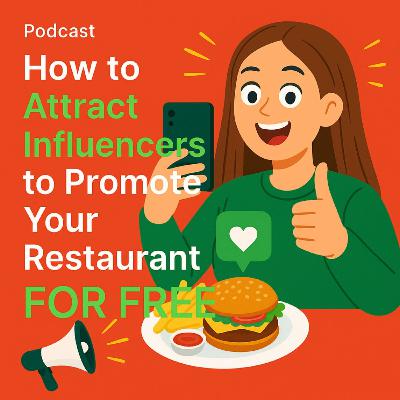
Looking to boost your restaurant’s visibility without spending big on marketing? In this episode, we dive into practical, zero-cost strategies to attract influencers who can help spread the word about your restaurant.You’ll learn how to make your space Instagram-worthy, how to find the right influencers in your area, and how to create a win-win collaboration—without ever writing a check.
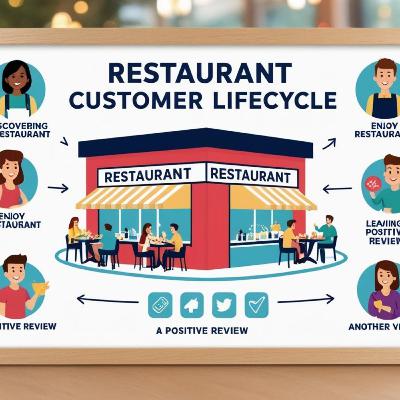
This podcast episode delves into the customer lifecycle in the restaurant industry, exploring the journey a customer takes from first hearing about your establishment to becoming a loyal advocate. Understanding these stages is crucial for restaurants looking to improve their marketing, service, and customer retention strategies.We will break down the typical stages of the restaurant customer lifecycle, including:Awareness: How potential customers discover your restaurant through social media, Google Ads, word-of-mouth, food delivery apps, and events.Consideration: The actions customers take when thinking about dining with you, such as checking your online menu, reading reviews, and browsing your social media. We'll discuss restaurant tactics like having a well-designed website and attractive menu.First Visit (Conversion): What matters most when turning interest into an actual visit or order, including friendly service, a clean environment, and quality food.Post-Visit Engagement: Strategies for staying connected with customers after their initial visit, such as requesting reviews and encouraging social media follows.Retention / Loyalty: How to turn one-time customers into repeat visitors through loyalty programs, personalized deals, and consistent service.Advocacy: The ultimate goal of turning loyal customers into brand ambassadors who recommend your restaurant to others.Join us to learn how to strategically engage customers at each stage of their journey, ultimately fostering loyalty and driving growth for your restaurant. This episode draws insights from the Restaurant growth hub by Foodcus.
This Restaurant Growth Hub podcast emphasizes how personalization enhances the dine-in experience. It posits that remembering guest preferences and recognizing returning customers fosters emotional connections and builds loyalty. The piece explains why this strategy is effective, citing the human desire for recognition and the impact on decision-making. Furthermore, it provides actionable steps for restaurants, such as using CRM systems, training staff for attentive service, leveraging loyalty programs, and employing smart table management tools. Ultimately, the source argues that tailoring interactions and offerings can significantly improve customer satisfaction and drive repeat business.
Foodcus is presented as an all-in-one AI-powered platform designed to revolutionize restaurant operations. It aims to enhance online reputation by automating Google review responses and encouraging positive feedback. The system also offers features for managing Google Business Profiles, streamlining kitchen and server operations, and implementing customer loyalty programs. Foodcus provides various tools to boost online visibility through dish-specific review systems and AI-optimized content. Furthermore, it offers solutions for online ordering, multiple payment options, and insightful analytics to help restaurants improve efficiency and customer satisfaction, with tiered pricing plans to suit different business sizes.
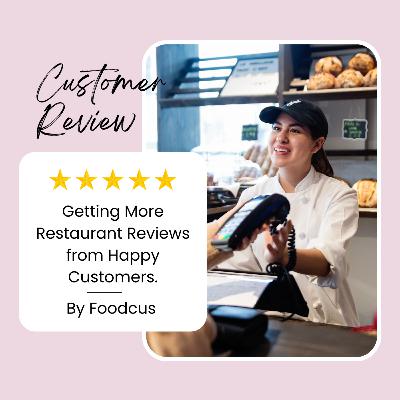
This podcast episode from "Restaurant Growth Hub by Foodcus" addresses the issue of why satisfied restaurant customers often don't leave online reviews. It explains that negativity bias plays a role and that happy customers may not think to review, assume others will, or find it inconvenient. The host emphasizes that more positive reviews are crucial for improving local SEO, influencing potential diners, and counteracting negative feedback. The episode then provides actionable strategies for encouraging positive reviews, such as simplifying the process with QR codes, asking at opportune moments, offering incentives (within policy), and using follow-up communication. Finally, the podcast highlights Foodcus as a platform that automates review requests to help restaurants gather more positive feedback effortlessly.keepSave to notecopy_alldocsAdd noteaudio_magic_eraserAudio OverviewschoolBriefing doc
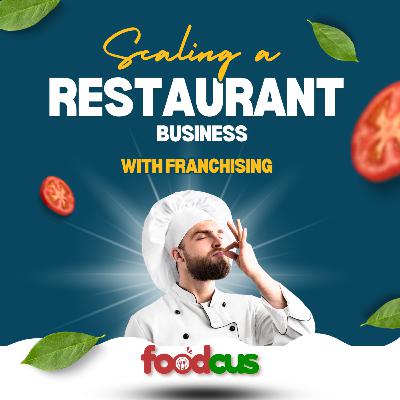
"Scaling Your Restaurant Empire: The Franchise Formula," part of a series called "Restaurant Revolution." This episode investigates franchising as a method for restaurant expansion, outlining the necessary steps such as establishing a replicable business model and strong brand identity. It further discusses building a franchise program through franchisee training, site selection, and marketing strategies, emphasizing the importance of finding suitable franchisees who are passionate and business-oriented. The segment concludes by highlighting the ongoing support and innovation required for successful franchise growth and mentions AI-powered solutions for restaurant businesses offered by Foodcus.
The Restaurant Growth Hub podcast episode focuses on customer retention strategies for restaurants in a competitive market. The host emphasizes that retaining existing customers is more cost-effective than acquiring new ones and builds a loyal base. Key tactics discussed include personalizing customer experiences, implementing loyalty programs, ensuring consistent quality, engaging on social media, and actively gathering and acting on feedback. The episode also addresses challenges like evolving customer preferences and intense competition, suggesting solutions such as building a strong brand community and balancing innovation with core offerings.
This podcast episode from "Restaurant Growth Hub by Foodcus" highlights the importance of regular menu updates and effective design for restaurant success. The host explains that frequent menu changes keep customers interested, accommodate seasonal ingredients and trends, aid in cost management, and cater to diverse dietary needs. Furthermore, the episode details how seasonal menu adjustments capitalize on changing customer cravings throughout the year. Finally, it discusses key menu design strategies, such as highlighting profitable items and using descriptive language, to influence purchasing decisions, ultimately promoting Foodcus as a helpful platform for these endeavors.
This podcast episode from "Restaurant Growth Hub by Foodcus" explains how detailed customer reviews significantly enhance a restaurant's local SEO. It highlights the importance of trust, user-generated keywords, and engagement that reviews provide to Google's ranking algorithm. The episode emphasizes the power of dish-based keywords within reviews for improving discoverability and voice search optimization. Finally, it offers practical strategies for encouraging customers to leave SEO-boosting reviews and introduces Foodcus as a platform to automate this process.

Comments

Download from Google Play

Download from App Store
 United States