


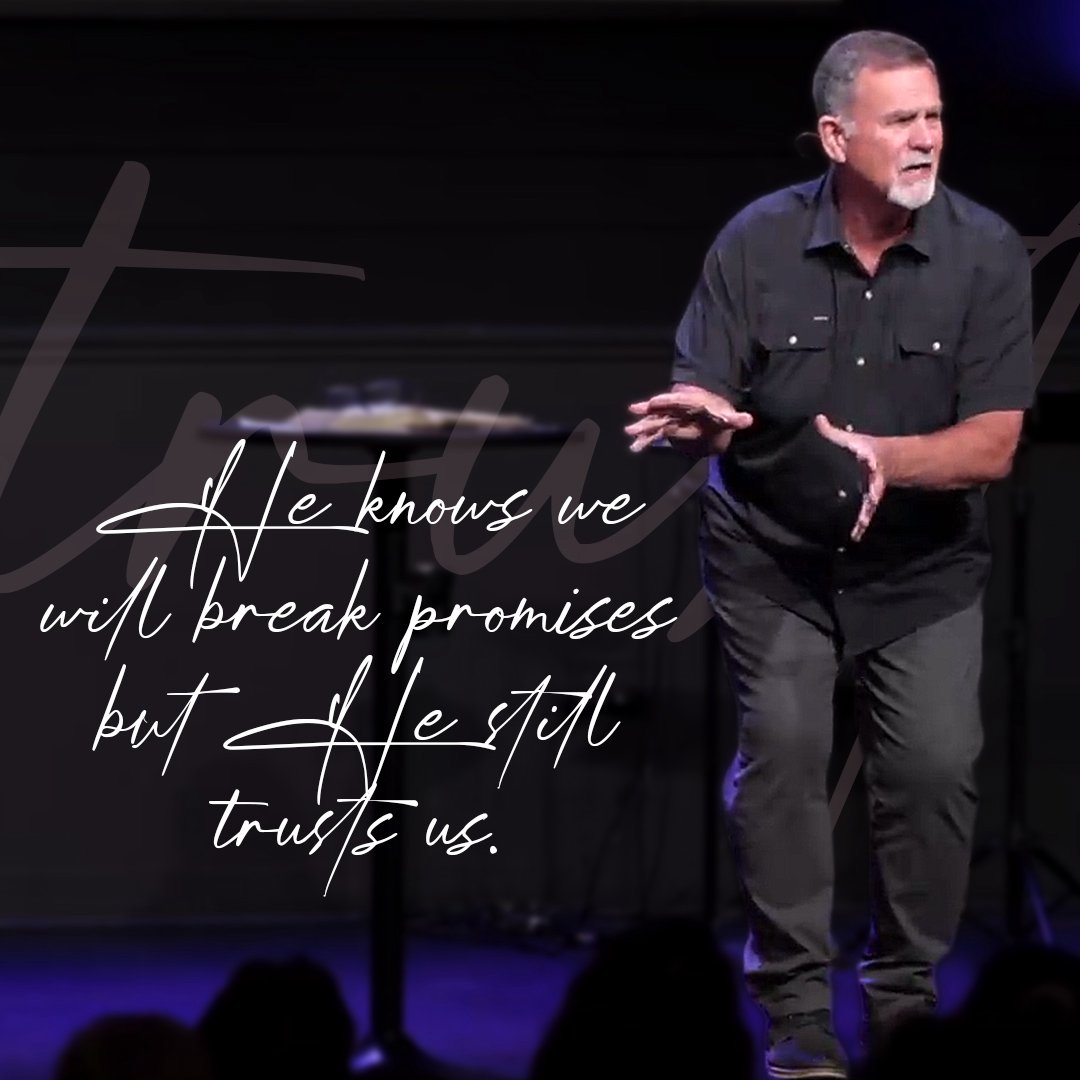
Broken but Trusted
Description
Key Points
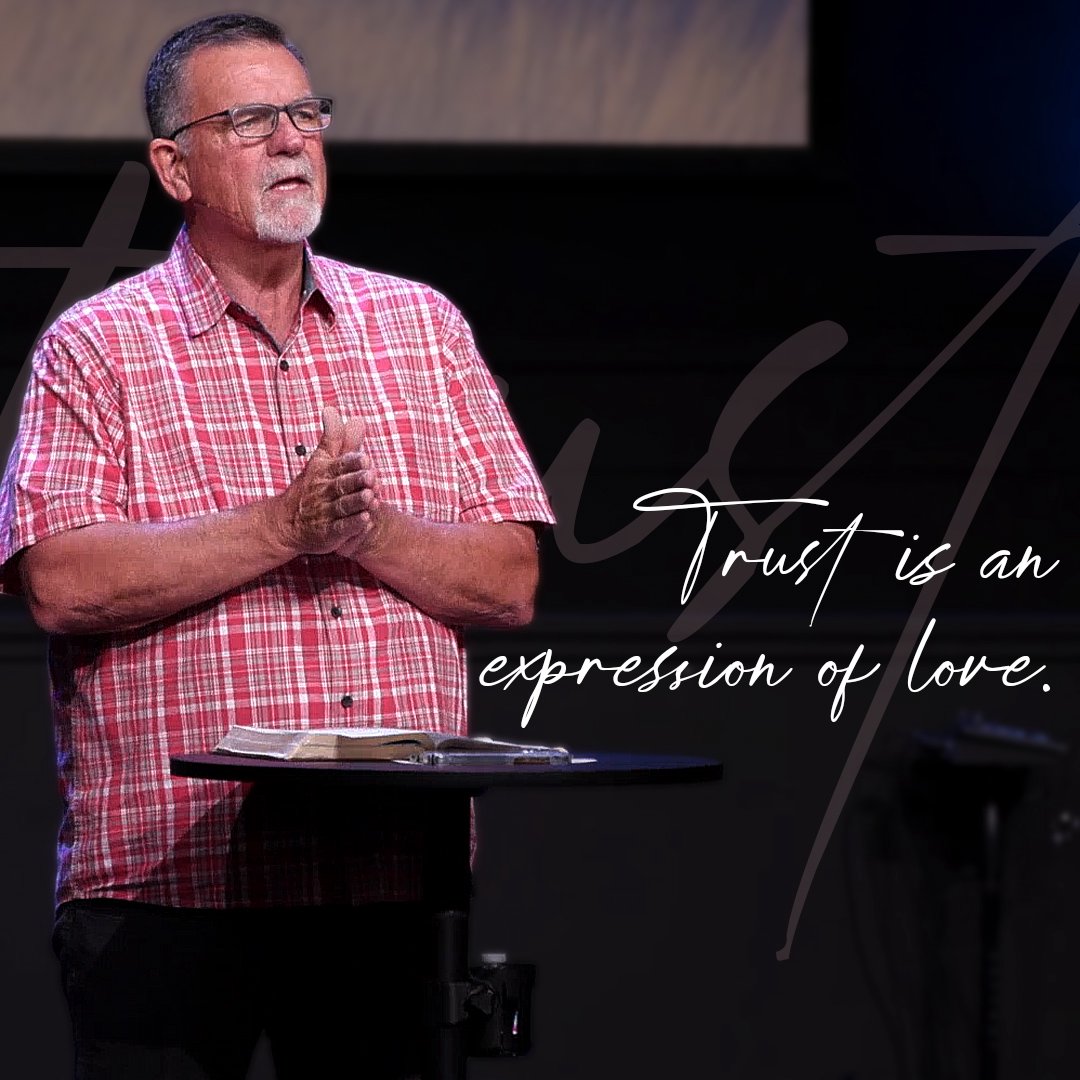
Trust begins with God’s character. Humanity broke trust in the garden, but God’s response was redemption, not rejection.
Broken trust has consequences, but not abandonment. God set boundaries for restoration and pointed to Jesus, the Lamb who would restore what was lost.
God entrusts broken people with sacred things. He gives His Spirit, His Word, and relationships to those who fail yet can grow by His grace.
Love bears the weight of failure. Like Jesus bore our sin, love forgives, hopes, and endures through the Spirit’s power.
Mistrust affects every relationship — even with God. Chronic mistrust hardens the heart and keeps us from community and grace.
Faithfulness is a fruit, not a feeling. The Spirit forms it in us as we walk with integrity and obedience.
When you can’t trust someone, trust God with them. Doing so frees your heart from bitterness and releases control to Him.
Restoration begins with repentance and grace. Healing comes when truth meets mercy, just as Bob and Terry experienced.
God’s faithfulness changes how we see others. Because He keeps believing in us, we can keep believing the best in others.
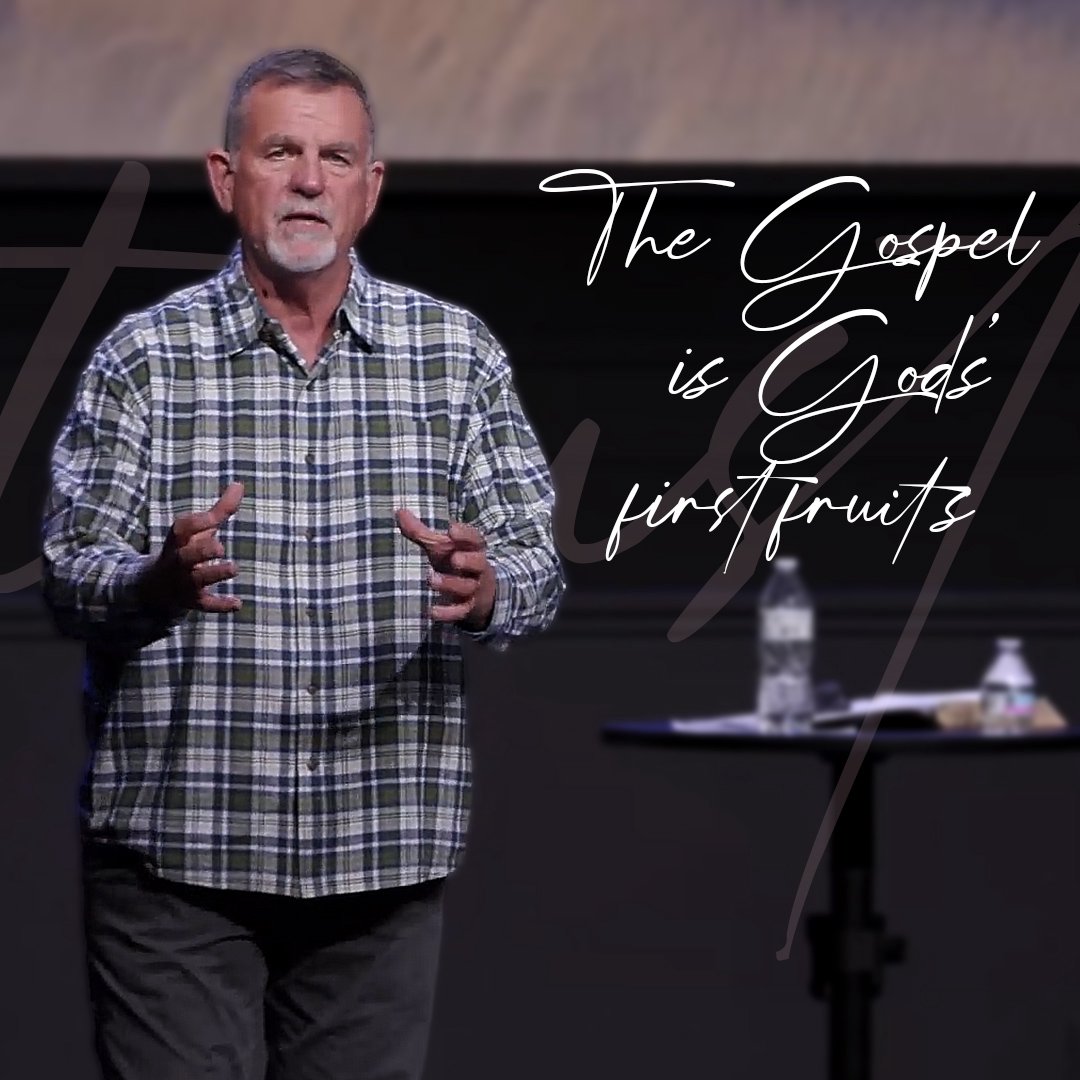
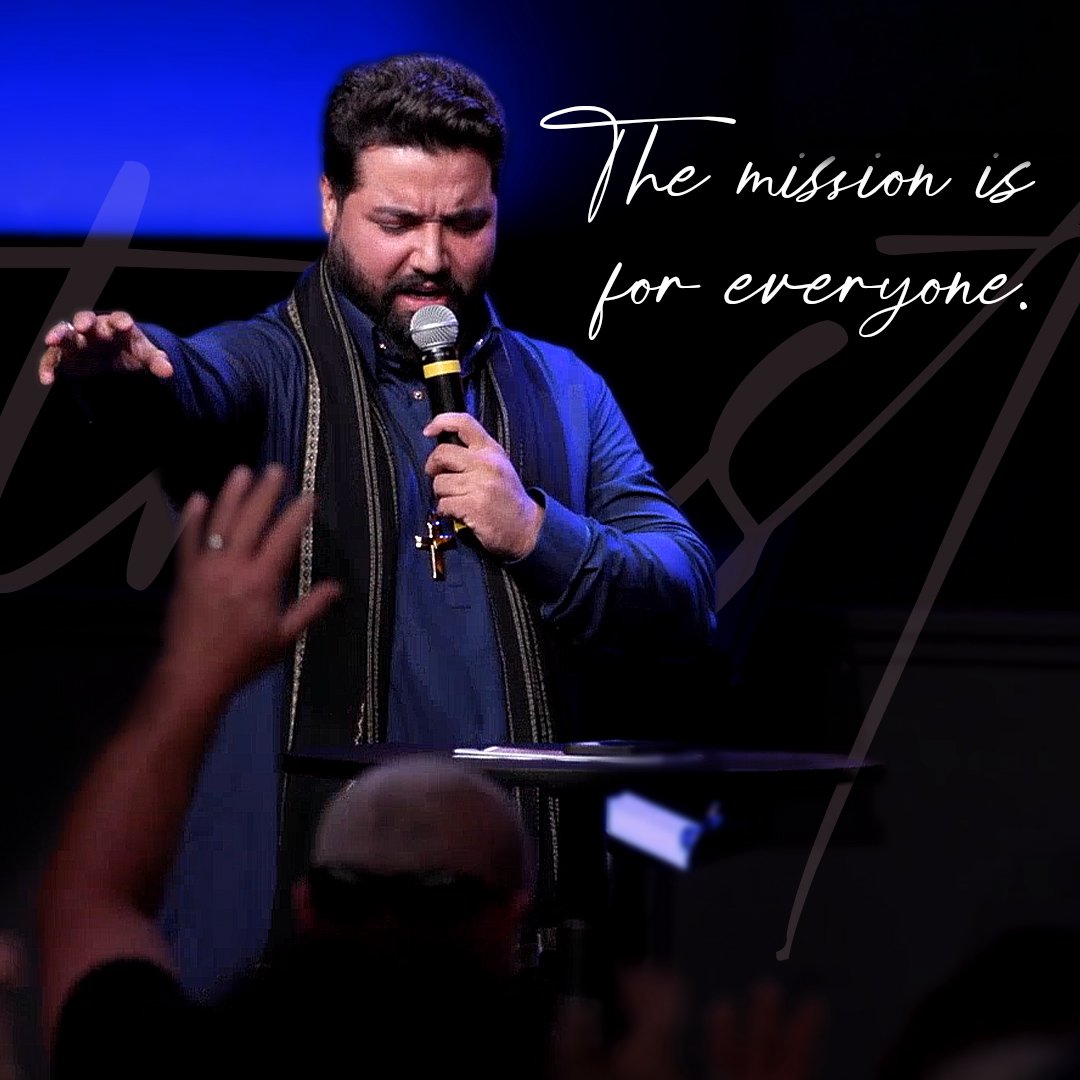
Broken but trusted is the story of the Gospel. God still entrusts His Spirit, His mission, and His people to us — that’s grace in action.
Discussion Questions
What does it mean to you that God still entrusts us with His Spirit, even after we’ve failed Him?
Why do you think trusting others can feel riskier than trusting God?
How does “trusting God with someone” differ from trusting that person directly?
What does 1 Corinthians 13:7 teach us about love’s role in rebuilding trust?
Can you think of a time when someone showed you grace you didn’t deserve? How did it change you?
How do we know when we’re walking in the Spirit’s faithfulness instead of human effort?
What small steps can you take this week to rebuild trust — either in God, others, or yourself?



 United States
