


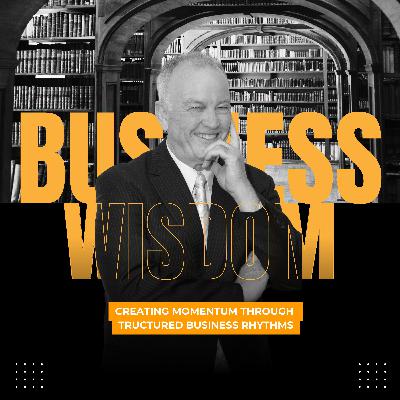
Creating Momentum Through Structured Business Rhythms
Update: 2025-08-12
Description
Have you ever felt like your business moves in unpredictable cycles, busy one month, then quiet the next? If so, you're not alone. The good news is there's a method to build consistent, compounding progress that is both strategic and sustainable. This method is creating momentum, beginning and ending with rhythm. In this episode, we look at how to create that momentum, including: - The structure and systems that liberate your business - A four-step framework for creating momentum - Real world examples What is business rhythm? A business rhythm is a repeating pattern of activity, akin to the heartbeat of your business. It might include weekly team meetings, monthly content planning sessions, quarterly reviews and goal-setting, or even daily habits like affirmations, following up with leads, or checking your metrics. These rhythms serve as anchors, keeping your business focused, reducing decision fatigue, and creating space for momentum to build. It's crucial to develop a rhythm that resonates with you and to routinely monitor it to ensure it remains effective. The Liberation of Structure While structure may sound restrictive, it is, in reality, liberating. Here's why: Predictability: Knowing what happens and when helps you plan, delegate, and deliver consistently. Focus: Avoid reinventing the wheel with every activity. Understand what matters, what is required, and how to execute it, enabling you to stay on course. Progress Tracking: Regular rhythms provide insights into what's working and what needs adjustment before drifting off course. Think of rowing a boat: random strokes yield little progress, but rhythmic, aligned strokes propel you forward smoothly and quickly. Building Your Rhythm: A Four-Step Framework Identify Growth-Driving Activities: Determine which actions lead to results. Is it sales calls, marketing efforts, client delivery, or innovation? Focus on these activities to build a rhythm. Assign a Frequency: Some activities are daily, others are monthly or quarterly. Choose a frequency that makes sense, such as a weekly team check-in, a monthly strategy session, or a quarterly financial review. Block the Time: Schedule these activities in your calendar and treat these blocks as non-negotiable. Review and Refine: Allow time for your rhythm to establish and set aside opportunities for reviewing its effectiveness. Ask yourself, "Is this rhythm helping us?" Adjustments may be needed for sustaining momentum. Real-World Examples Let's explore some examples from clients who have embraced structured business rhythms: Sales-Focused Business By implementing "Money Mondays" to review sales and cash flow every Monday morning, they saw a 30% increase in monthly revenue. Creative Agency Introducing a quarterly "Clarity Day" to revisit goals, celebrate wins, and align priorities resulted in less overwhelm, more proactive work, increased client satisfaction, and revenue. My Own Business Our monthly Business Wisdom Vault sessions use rhythm to review, reset, and realign activities with goals, ensuring growth and alignment. The Magic of Structured Rhythms The magic of structured business rhythms is the elimination of guesswork and the creation of predictable progress. Growth doesn't require hustle and chaos, but rather clarity, structure, and consistency. Start small by implementing one rhythm this week—perhaps a Friday review or a daily focus block. Whatever you choose, make it yours and make it stick. Momentum isn't built by accident; it's built by rhythm. If this blog sparked a new idea or motivated you to recommit to a rhythm, you're already on the right track. For help designing business rhythms that create real momentum, explore the Business Wisdom Vault, where you'll find tools and templates to simplify the process. Highlights 00:20 Welcome to Business Wisdom 01:04 Understanding Business Rhythms 01:51 Benefits of Structured Rhythms 02:38 Building Your Business Rhythm 03:43 Real-Life Success Stories 04:50 Final Thoughts and Next Steps Resources The P Words (Process And Procedure), And Why They Matter https://www.enevergroup.com.au/the-p-words-process-and-procedure-and-why-they-matter/ Keeping The Big Picture Front Of Mind In Business https://www.enevergroup.com.au/the-p-words-process-and-procedure-and-why-they-matter/

Comments
In Channel















Download from Google Play

Download from App Store
 United States
00:00
00:00
x

