


DL Ep. 14: The Neuroscience of Service
Description
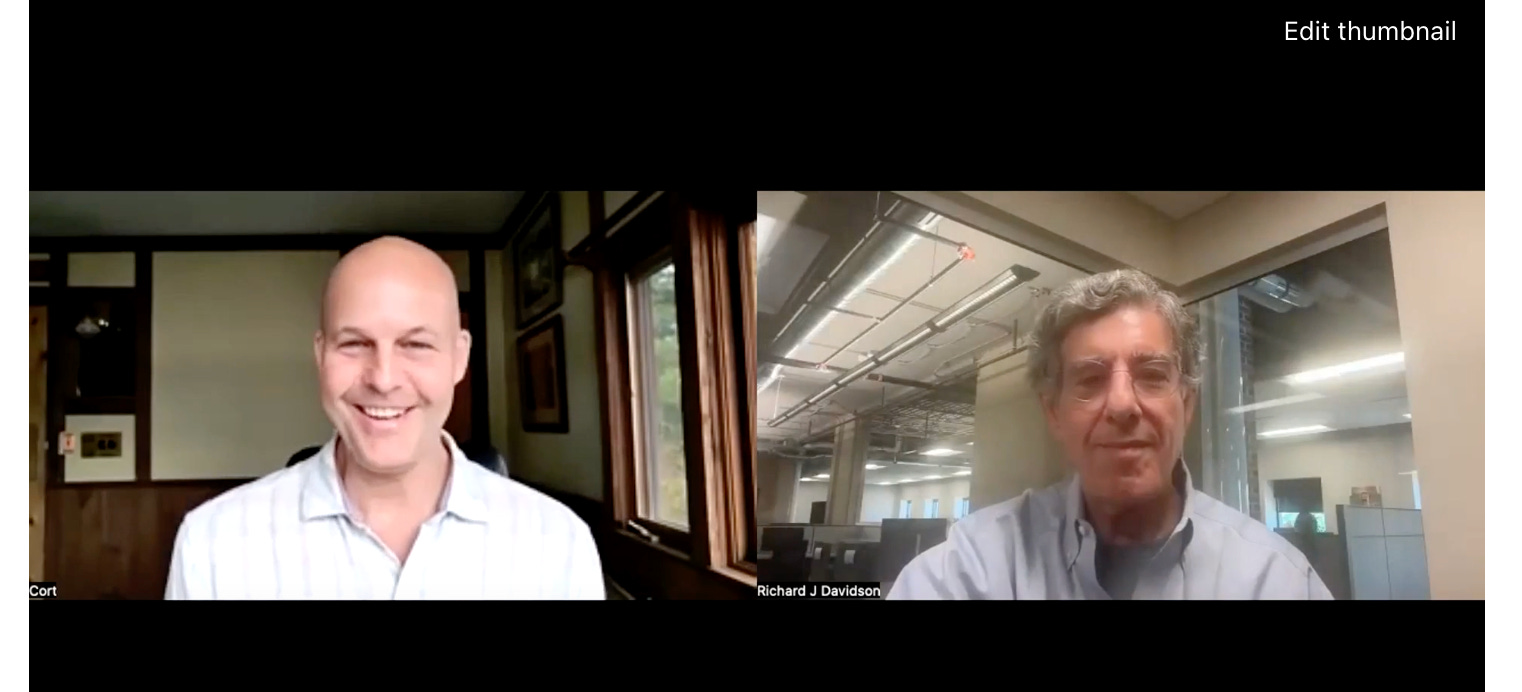
In this week’s Dharma Lab conversation, we’ll dive into the science and contemplative wisdom behind generosity, purpose, and everyday altruism.
How Serving Others Nourishes Us
There are moments in life that quietly change everything. For both of us, one of those moments was realizing that meditation was never just about us.
At first, practice was personal, a way to calm the mind, relieve stress, and find clarity. But over time, something shifted. We began to see practice less as self-improvement and more as a path of service, a way of showing up for others, not only ourselves.
As it turns out, both ancient contemplative traditions and modern science point toward the same insight: service does not just help the world, it nourishes us too.
The more we orient our lives toward helping others, the more energizing, meaningful, and joyful our own lives become.
What the Research Shows
There is now a rich scientific literature on volunteering and altruism. One influential series of studies from Johns Hopkins followed older adults in Baltimore who volunteered in local public schools. They helped children read, served lunch, and supervised the playground. They climbed stairs in buildings with no elevators. What began as a community program became a scientific window into the effects of service.
After months of volunteering, participants showed improvements in cognitive functions that usually decline with age. Brain scans revealed positive changes in the prefrontal cortex, the brain’s executive network responsible for planning, focus, and emotional regulation.
Other research on purpose shows similar patterns. People with a strong sense of purpose tend to report greater well-being and live longer. Purpose may be one of the most well-established predictors of longevity we have.
Why Helping Others Feels Good
From a neuroscience perspective, generosity and compassion activate the brain’s reward circuitry. When people behave generously in laboratory studies, the neural reward network lights up more strongly than when they receive something for themselves.
This matches our own lived experience. When we help someone, whether through mentoring, supporting a friend, or recording this podcast, it feels deeply energizing. At the end of the day, we often feel more alive rather than depleted.
It challenges the common assumption that happiness comes from getting more for ourselves. The evidence suggests something different: when we turn toward the well-being of others, happiness tends to arise naturally.
The Inner Practice of Service
In the contemplative traditions, this motivation is called bodhicitta, the heart of awakening. It begins with intention rather than action. Even a brief pause to remember our motivation can change the emotional tone of an entire day.
You can practice it in a few seconds with a simple thought:
“May this be of benefit to others.”
This inner shift recruits networks related to focus and intentionality while activating reward circuits that leave us feeling open and uplifted.
We both use this practice constantly:
* Before recording.
* Before meditation.
* Before meetings.
* Even before exercise.
A short moment of remembering can reshape the entire experience.
Service as an Everyday Practice
We often think service requires ideal conditions, free time, or a perfectly designed opportunity. But the science and the contemplative traditions both show that service can happen in ordinary life.
You can bring this mindset into washing dishes, walking through an airport, or talking to a child. It is the orientation of the mind that matters more than the setting.
Research shows that when people reflect regularly on altruistic intentions, they are more likely to offer spontaneous acts of kindness in daily situations, such as giving up a seat to someone who needs it.
A Shift the World Needs
We’re all carrying a lot these days, and it’s easy to pull inward. But when we turn even slightly toward someone else’s wellbeing, something softens and the day feels a little lighter.
Service doesn’t have to be dramatic. Most of the time it’s a small gesture, a quiet intention, or a moment of paying attention. Yet these moments accumulate. They change how we move through the world and how we feel inside.
We would love to hear from you.What’s one small act of service or generosity that shaped your life this year?
With gratitude,
Cort & Richie
Podcast Chapter List:
00:00 – Why Generosity Activates the Reward Network
00:48 – Cort Shares Two Turning Points in His Practice
02:31 – Realizing Meditation Is About Serving Others
03:59 – Richie on the Dalai Lama and the Shift Toward Service
05:37 – Ego, Career, and the Gradual Move to Altruism
07:06 – How Being Helpful Feeds Our Sense of Meaning
09:14 – The Buddhist View: Self-Focus vs. Service
10:04 – What Volunteering Research Shows About Well-Being
11:12 – Purpose, Aging, and Longevity
12:44 – The Baltimore “Experience Corps” Study
14:15 – Unexpected Benefits: Purpose, Movement, Structure
15:19 – Changes in Cognition and the Brain (Executive Network)
17:07 – Why These Findings Matter
17:38 – The Buddhist Perspective: Motivation Comes First
18:52 – Micro-Practices: Bringing Altruism Into Daily Life
20:07 – Bodhicitta: Vast Aspiration + Practical Action
22:02 – Why This Inner Shift Feels So Nourishing
24:36 – Does Altruism Activate the Reward Network?
25:57 – Generosity vs. Personal Gain: What the Brain Shows
27:17 – Cort’s Personal Aspiration Practice
29:47 – How Altruistic Mindsets Change Your Day
30:53 – Richie’s Morning Calendar Practice
31:24 – “Contemplative Aerobics”: Service While Exercising
33:03 – How Altruistic Mindsets Change Social Behavior
34:13 – The Science of Small Everyday Acts of Service
35:05 – Volunteering as a State of Mind, Not Just an Activity
35:50 – Final Reflections: A Shift in View That Changes Everything
36:31 – Why the World Needs More Altruism Right No
This is a public episode. If you'd like to discuss this with other subscribers or get access to bonus episodes, visit dharmalabco.substack.com/subscribe






 United States
