


Ep 41 Roshcast Emergency Board Review
Description
We are what we repeatedly do. Excellence, then, is not an act, but a habit.
–Aristotle
Welcome back to RoshCast for Episode 41! As we get closer and closer to the in-training, now would be a great time to go back and listen to old episodes to brush up on some of the core EM knowledge that you may not come across regularly on shift. Let’s get started with a rapid review and our regular mixed content of questions, answers, and high-yield review.
<figure class="aligncenter">
 </figure>
- Staph aureus is the most common bacterial cause of septic arthritis in adults.
- In a patient with splenic dysfunction, the strep species are more likely to cause septic arthritis.
- Septic arthritis classically presents with fever, monoarticular joint pain, and a decreased range of motion.
- Joint aspirates with a white count > 50,000 with more than 75% PMNs are indicative of septic arthritis.
Now onto this week’s podcast
Question 1
Which of the following hematological disorders is characterized by intermittent venous and arterial thrombosis, splenomegaly, and abnormal proliferation of all three myeloid cell lines?
A. Aplastic anemia
B. Chronic myelogenous leukemia
C. Disseminated intravascular coagulopathy
D. Polycythemia vera
Question 2
Which of the following pairs are matched correctly?
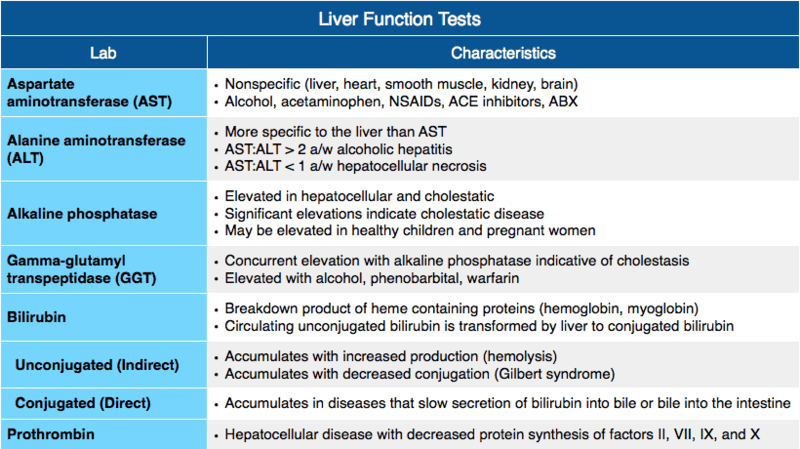
A. Elevated direct bilirubin – Gilbert’s syndrome
B. Elevated indirect bilirubin – Cholestasis
C. Elevated transaminases with ALT/AST ratio > 2:1 – Alcoholic hepatitis
D. Elevated transaminases with AST and ALT > 10,000 IU/L – Ischemic hepatitis
Question 3
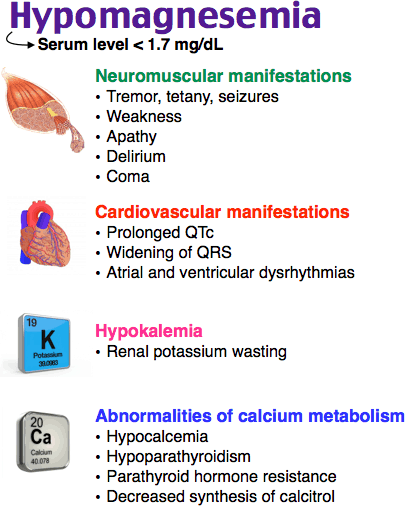
Which of the following conditions can result in refractory hypokalemia that is not correctable by the administration of potassium?
A. Hypermagnesemia
B. Hypernatremia
C. Hypomagnesemia
D. Hyponatremia
Question 4
A 29-year-old man is brought to the ED for a gunshot wound to the right chest. He is diagnosed with a right-sided hemopneumothorax. A tube thoracostomy is subsequently performed with immediate drainage of 250 cc of blood. The nurse connects the chest tube to a commercial suction device, and a chest radiograph is performed that confirms proper placement. You note an absence of respiratory fluctuation of the fluid level in the drainage tube. A repeat chest X-ray shows the right-sided hemothorax remains. Which of the following is true regarding this finding?
A. An air leak is present
B. The lung is still collapsed
C. There is a blockage of the drainage tube
D. This is an expected finding
Question 5
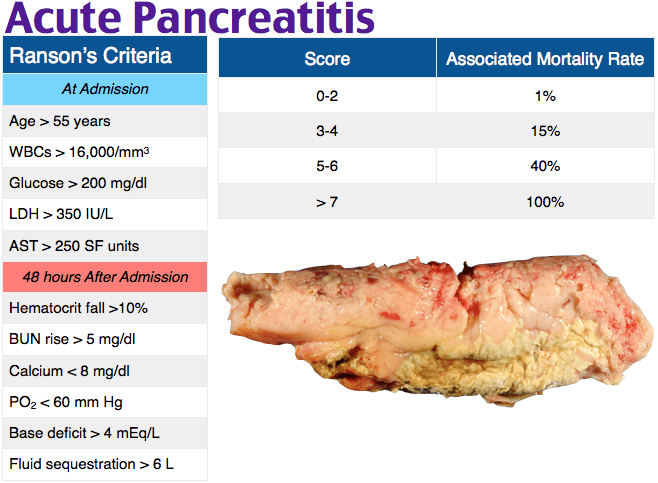
Which of the following is true regarding Ranson’s criteria?
A. A score of 0–3 on admission constitutes a high-risk population
B. Glucose > 200 mg/dL on admission is associated with a higher mortality rate
C. Hematocrit < 35% at 48 hours is predictive of mortality
D. WBC < 10,000 is associated with a higher mortality rate
Question 6
The Emergency Medical Treatment and Active Labor Law of 1986, or EMTALA, requires hospitals to provide which of the following?
A. Care to all patients
B. Interpreters for all patients in a timely manner
C. Screening exam, competent ED physicians and appropriate stabilization
D. Screening exam, stabilization process, appropriate transfer process
Question 7
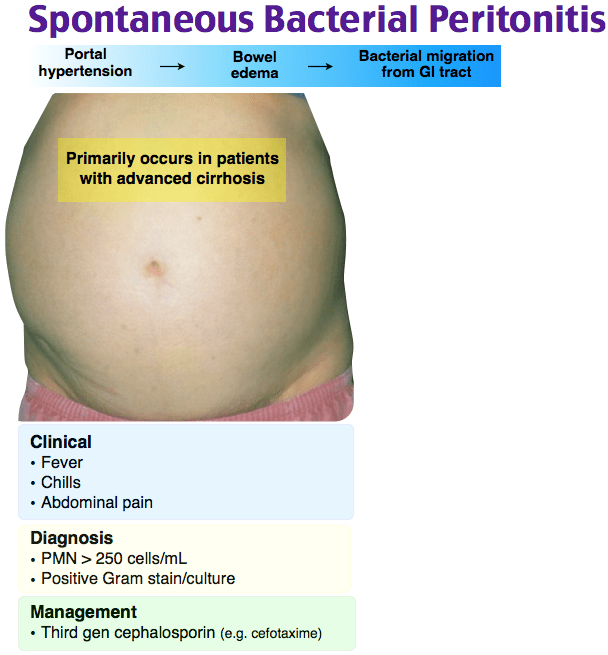
A 58-year-old man with a history of cirrhosis presents with abdominal pain and fever. His abdomen is tender to palpation with guarding. You are concerned about spontaneous bacterial peritonitis. You perform a paracentesis and send the ascitic fluid for analysis. Which of the following is most consistent with a diagnosis of spontaneous bacterial peritonitis?
A. Low ascitic fluid glucose concentration
B. Polymorphonuclear neutrophil count < 250 cells/mm3
C. Serum-ascites albumin gradient < 1.1 g/dL
D. White blood cell count < 1,000 cells/mm3
<figure class="aligncenter">
</figure>- Polycythemia vera is a chronic myeloproliferative disorder marked by increased red blood cell production but can involve all three cell lines.
- Polycythemia vera presents with pruritus, especially after bathing, headaches, bleeding, engorged retinal veins, splenomegaly, and gout. Treatment is with serial phlebotomy or with myelosuppressive agents.
- Gilbert’s syndrome is associated with an elevated indirect bilirubin.
- Alcoholic hepatitis is associated with an AST to ALT ratio of roughly 2:1.
- In ischemic hepatitis, you would expect elevated transaminases over 10,000.
- Hypomagnesemia can result in refractory hypokalemia not correctable by the administration of potassium.
- Hypomagnesemia can lead to a prolonged QT, a widened QRS as well as atrial and ventricular dysrhythmias.
- With respect to chest tubes, an air leak occurs when there is persistent air inside the pleural space.
- An absence of respiratory fluctuation or a decrease in drainage of a chest tube implies that the system is blocked or the lung is fully expanded.
- Ranson’s criteria is a scori


 United States
