


Why the North Always Wins: Climate, Psychology, and the Pattern of Power
Description
This reflection, inspired by reading Mr. Baoyan's "Comprehensive Mirror for Aid in Government," explores a striking historical pattern: northern states consistently defeat southern states in territorial conflicts, driven by geographical and psychological factors.
The Chinese Historical Pattern
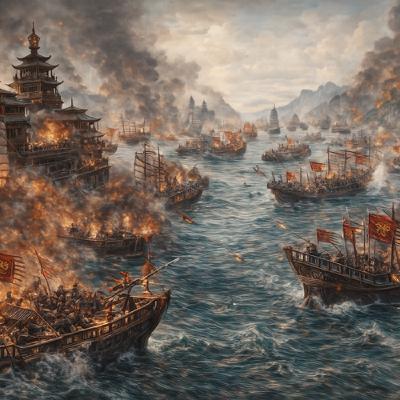
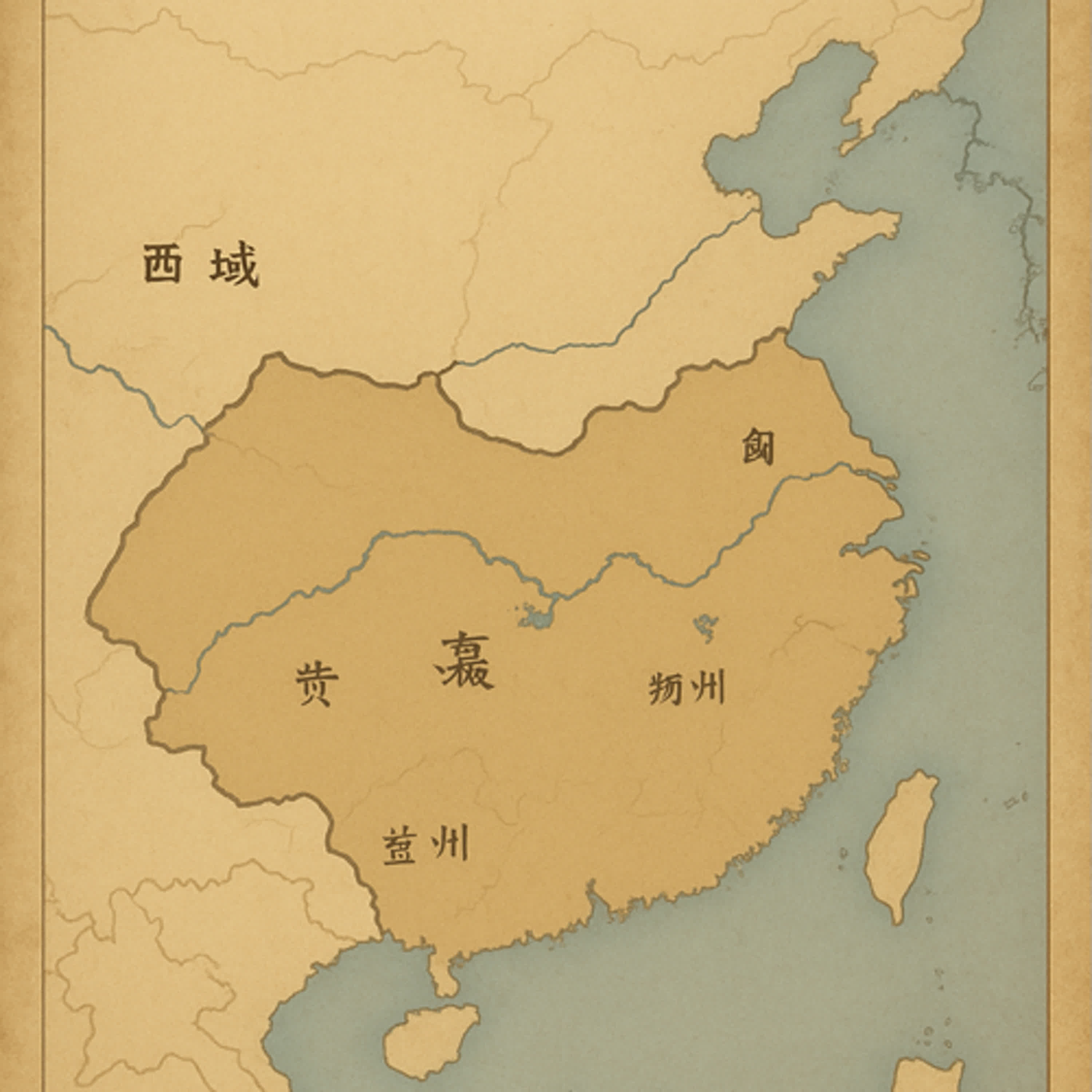
The author begins with the Three Kingdoms era, noting how the Battle of Red Cliffs established territorial divisions along natural boundaries like the Yangtze River. The political intrigue—Liu Bei borrowing Jingzhou from Sun Quan but refusing to return it—illustrates the territorial tensions of the period. More significantly, examining Chinese history from the Three Kingdoms until today reveals that virtually no southern state has successfully defeated a northern power and unified the territory. This pattern began with Liu Bang (northern) defeating Xiang Yu (southeastern) after the Qin Dynasty's collapse and continued through subsequent dynasties.
The Sui Emperor Yang Jian had northern connections, Song Dynasty founder Zhao Kuangyin was a northern military leader, and even when the Song fled south, they were eventually destroyed by the Mongols—another northern power. The Ming Dynasty provides a particularly interesting case: Emperor Zhu Yuanzhang, aware of the Mongols' continued strength in Central and West Asia, moved the capital to Beijing for better defense and prohibited ocean-going ships, fearing Mongol return by sea. This explains why he sent Zheng He on maritime reconnaissance missions despite the general prohibition.
The Geographical-Psychological Explanation
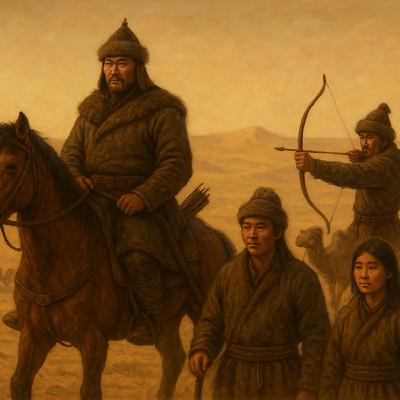
The author attributes this pattern to how climate and geography shape human psychology. The harsh, resource-poor north creates populations willing to risk everything for gain—scarcity breeds aggression and ambition. Conversely, the warm, fertile south provides abundance, making people less willing to gamble their comfortable lives on military ventures. This was evident in the Three Kingdoms' Wu Kingdom, where the four great families of Jiangdong preferred maintaining their prosperity over risky territorial expansion. When you're starving, you'll do anything for more; when you have plenty, why risk losing it?
Western Historical Examples
This pattern appears in Western history too, though with exceptions. The Dutch became a naval power despite their northern location and Spain's overwhelming numerical and resource advantages. However, the British (Anglo-Saxons who fled to the islands after defeat by the French) eventually defeated the Spanish, exemplifying the tougher northern mentality overcoming southern abundance.
The American Civil War provides the clearest modern example. The North's victory was predictable because southern soldiers preferred staying home tending farms rather than fighting, while the industrialized North had populations already adapted to regimented factory work similar to military service. Southern reliance on slave labor for fieldwork created psychological conditions ill-suited for sustained combat, whereas northerners were psychologically prepared for organized, physical labor.
Modern Relevance
The author concludes that modern society, with its advanced technology and weakened connection to nature, may underestimate how geography and climate continue shaping human psychology and historical outcomes. By examining historical power shifts—from Chinese dynasties to the American Civil War—we see that environmental factors remain powerful forces influencing human motivation, behavior, and the rise and fall of nations, even in our technologically advanced age.
Powered by Firstory Hosting













 United States
