


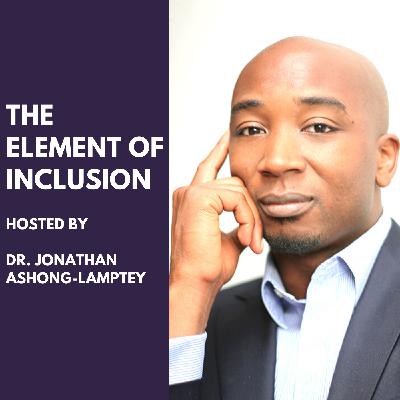
How to Turn Anecdotes Into Evidence for Inclusion
Update: 2025-09-02
Description
You’ve heard people telling stories and acting like it’s evidence.
but how do you turn anecdotes into evidence?
Key Topics Covered in This Episode:
- Why anecdotes are claims not conclusions
- The difference between claims, assumptions, and hypotheses
- How to test ideas without wasting time or budget
Play the Episode for More
Key Takeaways from This Episode:
- Anecdotes are starting points, not stopping points.
- “The story is typically making a claim and they are presenting it as evidence.”
- Anecdotes are hiding places for claims
- “These are statements but if you’ve been to enough panel events you’ll hear a witty story wrapped around it.”
- Claims aren’t conclusions until they’re tested.
- “We don’t just accept that. We test it. We gather evidence to support or contradict it.”
Check out these resources:
- Reconstructing Inclusion by Amri B. Johnson
- “You are harder to ignore when you have evidence to support your claims. It works like a magic pill!”
The post How to Turn Anecdotes Into Evidence for Inclusion appeared first on Element of Inclusion.

Comments
In Channel


Download from Google Play

Download from App Store
 United States
00:00
00:00
x

