


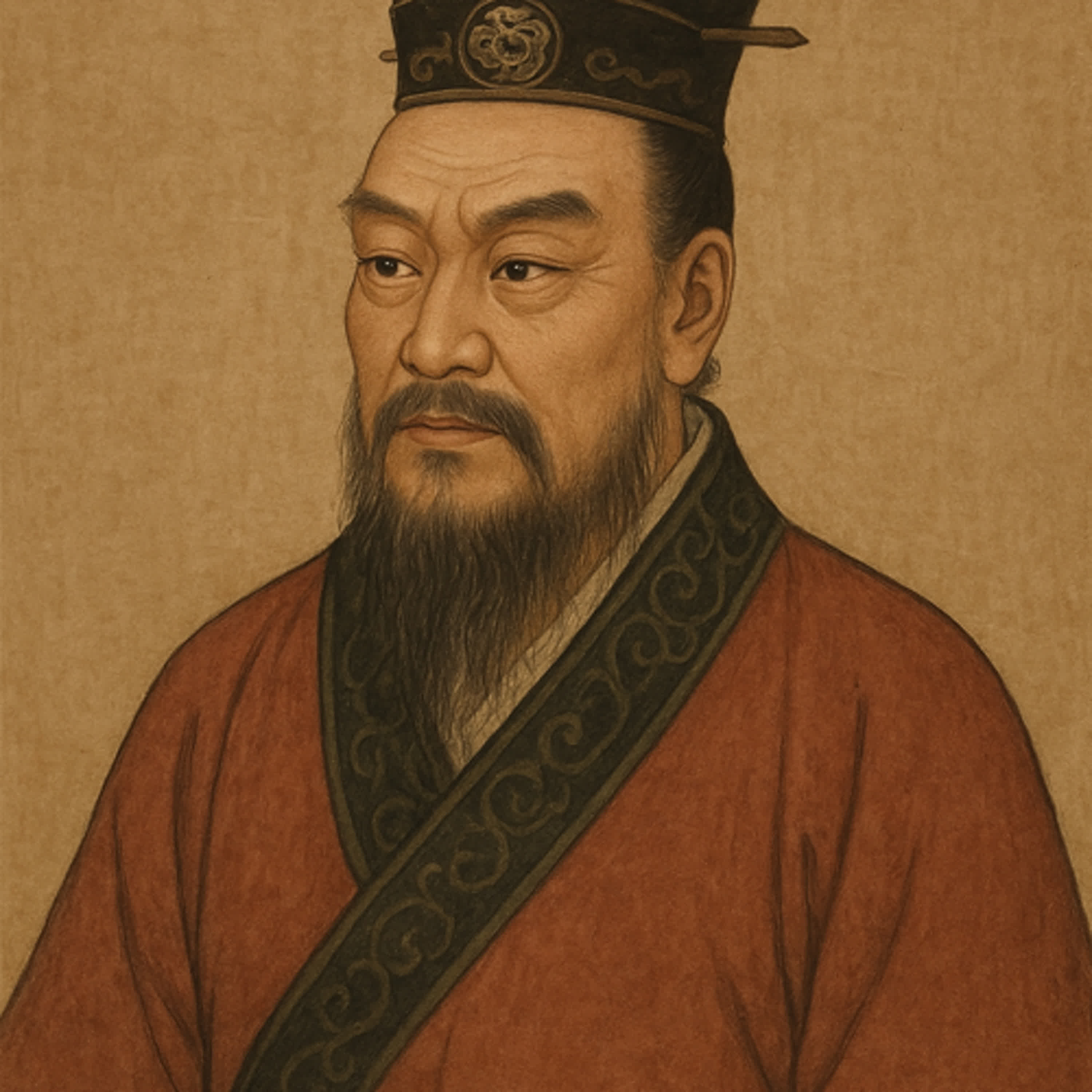
The Transformation of Chinese Society During the Three Kingdoms Period (220-280 CE)
Description
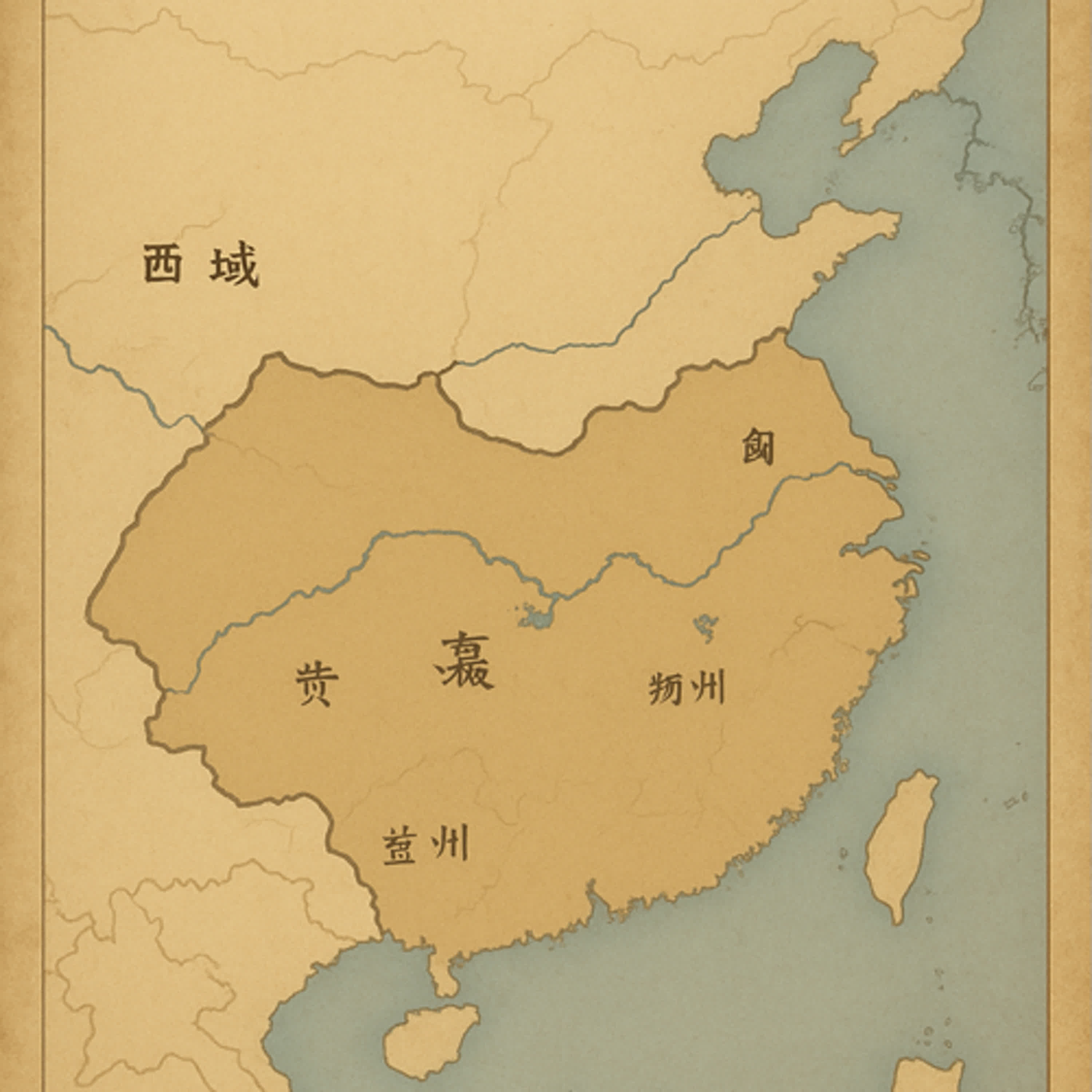
This reflection examines the Three Kingdoms era as a pivotal transitional period in Chinese history, marking approximately 400 years of profound change from the late Han Dynasty through the early Jin Dynasty.
Three Major Shifts:
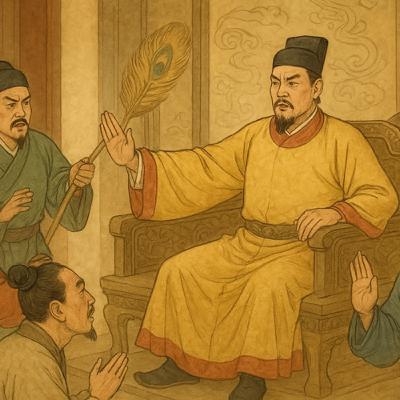
First, the decline of Confucianism's monopoly on governance and education. While Confucian learning had been the sole pathway to government positions since the first century BCE, this exclusivity began eroding during the Three Kingdoms period. Liu Bei's defeat in 221 CE symbolized a turning point—despite the Han Dynasty formally ending nearly 200 years earlier, many still supported restoration. However, by the late third century (270s-280s CE), people no longer believed one family could rule perpetually. The competition among multiple leaders demonstrated that family lineage alone couldn't guarantee the imperial mandate.
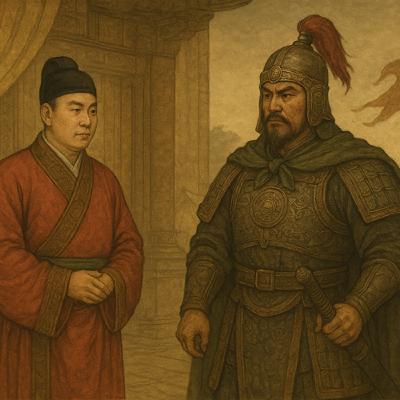
Second, the rise of pragmatism over idealism in leadership. The contrast between Zhuge Liang and Sima Yi illustrates this shift perfectly. Zhuge Liang pursued the noble but impractical goal of restoring the Han Empire, despite Shu Han being significantly weaker than its rivals—facing opponents six to seven times larger in territory and five times greater in population. Sima Yi, conversely, prioritized his family's survival and was willing to compromise principles for practical success. This pragmatic approach ultimately prevailed, with the Sima family establishing the Jin Dynasty, though internal rivalries quickly undermined it.
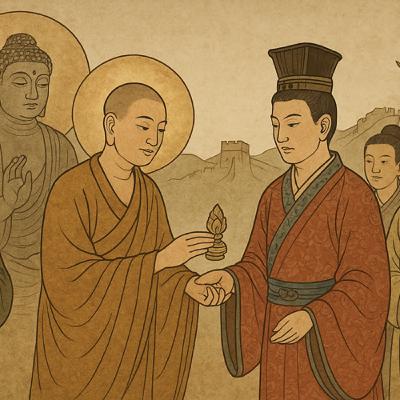
Third, the troubling transformation of intellectual culture. The elite classes, particularly those in government during the Northern and Southern Dynasties era, became absorbed in abstract philosophical debates rather than practical governance. This intellectual indulgence produced no tangible contributions to society and may have stagnated China's development for centuries, contributing to weakness that allowed northern invasions by the mid-ninth century (850s CE).
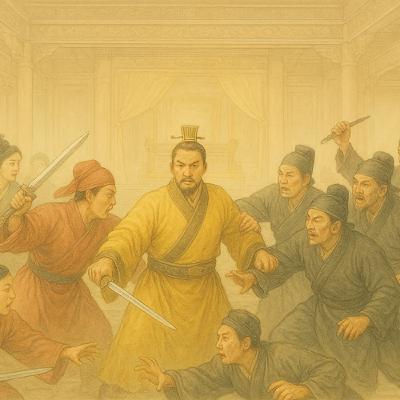
Paradoxically, this chaotic era also represented the last time ancient Chinese society experimented with diverse political systems, producing remarkably educated individuals across different regions who freely expressed varied perspectives. This intellectual diversity, despite its flaws, marked the end of an era of political pluralism in Chinese history.
Powered by Firstory Hosting







 United States
