


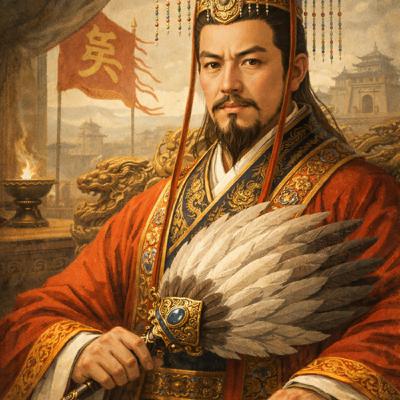
The Fall of Guan Yu and the Breakdown of the Sun-Liu Alliance
Description
Summary
This reflection examines a critical period in Three Kingdoms history following the Battle of Red Cliffs (208 CE). The analysis focuses on how Cao Pi's ascension to power in 220 CE—after forcing Emperor Xian to abdicate—destabilized the regional balance of power and ultimately led to the collapse of the alliance between Liu Bei's Shu Han and Sun Quan's Eastern Wu (Dongwu).
Key Events:
Strategic Maneuvering: Cao Pi's advisers suggested granting Sun Quan an official title to legitimize his territory, aiming to prevent him from supporting Liu Bei. Despite initial humiliation, Sun Quan's acceptance of this title demonstrated pragmatic leadership—he recognized the strategic value of nominal recognition from the north.
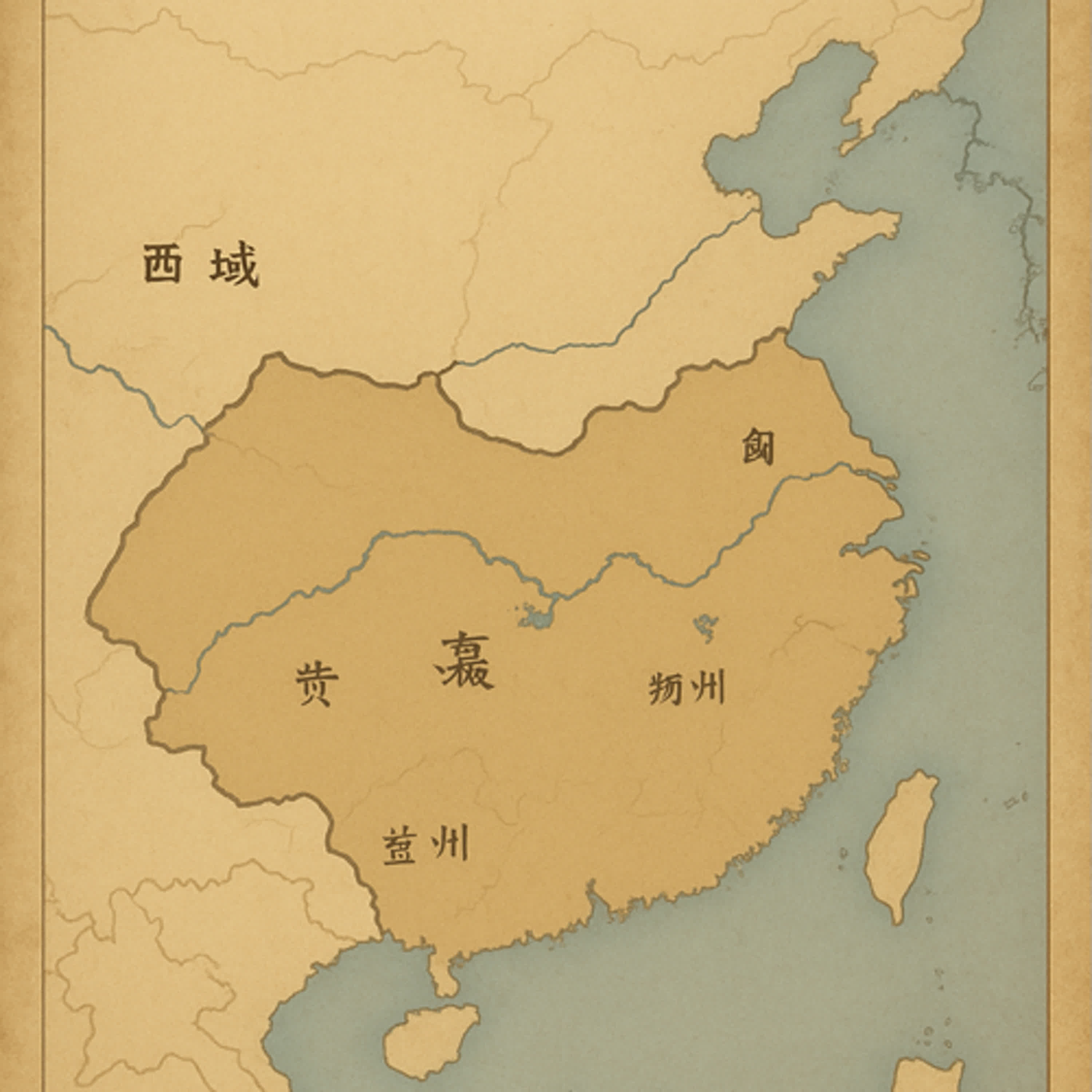
The Jingzhou Problem: The root of conflict lay in longstanding territorial disputes over Jingzhou. Liu Bei had promised to return this region to Sun Quan years earlier but never honored this agreement. Instead, he appointed Guan Yu as governor, creating an unstable situation with competing claims.
Guan Yu's Weaknesses: While Guan Yu excelled as a warrior in one-on-one combat, he proved inadequate as a regional administrator. His arrogance, poor treatment of subordinates, and lack of political acumen made him vulnerable. His decision to attack the north while leaving Jingzhou poorly defended was a critical tactical error.
Sun Quan's Calculated Strike: Eastern Wu forces, led by Lü Meng, recaptured Jingzhou with minimal casualties while Guan Yu was engaged in the north. When Guan Yu rushed back exhausted, he was captured and faced execution. Sun Quan's dilemma—whether to kill Liu Bei's sworn brother—was resolved when Guan Yu died, though the exact circumstances remain historically ambiguous.
Liu Bei's Response: Liu Bei's subsequent attack on Eastern Wu appeared to be revenge for Guan Yu's death, but the analysis suggests deeper motivations. Liu Bei may have allowed Guan Yu's fall deliberately, as Guan Yu's insubordination had become problematic. The campaign served to maintain Liu Bei's reputation for loyalty while eliminating a troublesome subordinate.
Historical Reassessment: The analysis challenges traditional portrayals (particularly from Romance of the Three Kingdoms) that depict Sun Quan as weak or incompetent. Instead, it argues that Sun Quan demonstrated exceptional wisdom and leadership by knowing when to yield and when to strike—qualities that enabled him to rule for the longest period of any Three Kingdoms emperor.
Conclusion
This episode illustrates how personal relationships, territorial disputes, and political pragmatism intersected during the Three Kingdoms period. Sun Quan's recapture of Jingzhou not only eliminated a powerful general and reclaimed ancestral territory but also exposed the limitations of Liu Bei's brotherhood rhetoric, revealing the harsh political realities beneath idealistic appeals to loyalty.
Powered by Firstory Hosting







 United States
