


 Claim Ownership
Exercising Self-Control: From Fitness To Flourishing
Subscribed: 2Played: 14
Subscribe

© Korey Samuelson
Description
Discover how you can master the principles, skills, and systems of virtuous self-control through your fitness practice. Move beyond conditioning your body to improving your entire life.
stoicstrength.substack.com
stoicstrength.substack.com
148 Episodes
Reverse
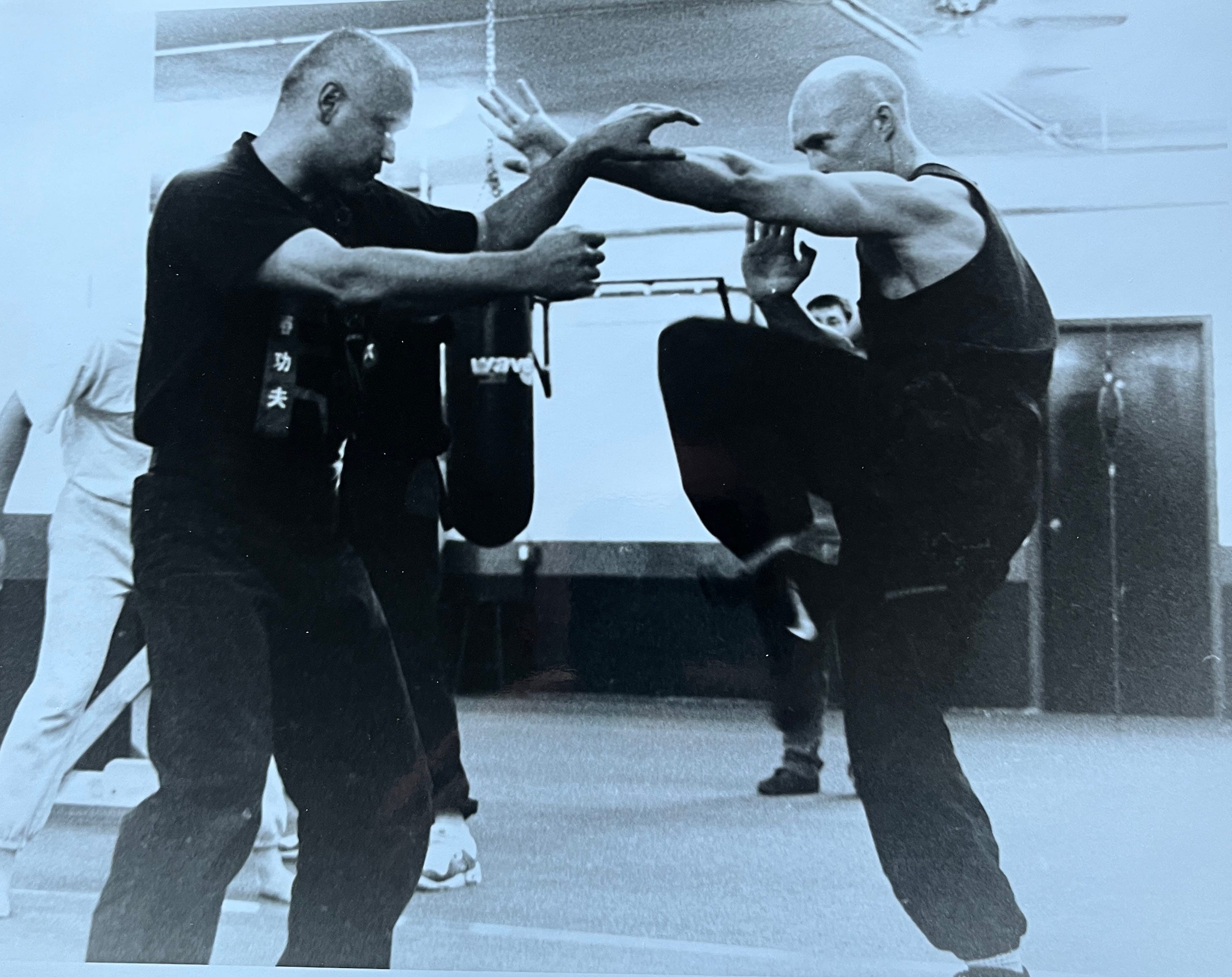
Many people think influence is something you’re born with or something that comes from a title or a position. But I believe the best influence comes from being a living example. You can become influential by how you live. And it all starts with one thing: virtuous self-control.Hey there. It’s me, Kore. And you’re listening to Exercising Self-Control: From Fitness To Flourishing.I learned this from a martial arts instructor I trained under about 20 years ago. He didn’t need his rank or his position as lead instructor to command respect. When he spoke, people listened. Not from fear, from respect. He demonstrated mastery over himself first. His discipline, his effort, his technique; everything was on point. That’s where his power came from. I aspired to that same level of performance.I’m on the right. The instructor I reference in the episode is not pictured.Here are five principles you can use to be more influential.Principle 1: The FoundationVirtuous self-control is the best source of influence. You cannot intentionally direct the experiences of others until you’ve established mastery over your own thoughts, words, and deeds. That instructor didn’t just teach technique, he embodied it. Every movement was precise. Every correction came from someone who had already won those battles internally. Everything flowed from that foundation.Principle 2: Measure What MattersHere’s how you know if you’re actually influencing people: measure the positive difference you create. Not your reach. Not your rank. Real influence leaves a mark. That instructor measured success by whether his students actually improved, whether they believed in themselves more, whether they showed up differently in or outside the school. That’s influence.Principle 3: Practice On Yourself FirstYou must make influence a practice. And here’s the key: practice it on yourself first until it becomes second nature. You must live the process before you can teach it. That instructor didn’t ask his students to do anything he hadn’t mastered himself. He knew his own limits. He knew his own obstacles. He’d already won those internal battles.Principle 4: Power Requires DisciplineEvery increase in influence demands an equal increase in self-control. If self-control lags behind, you lose your personal excellence.Think about a leader who starts cutting corners and stops training themselves with the same intensity. Who says one thing but does another. Their influence collapses. It’s like poor technique under pressure. The heavier the resistance, the faster the poor technique breaks down. Power without discipline does not last.Principle 5: Learn In A ContextThis is why I recommend developing virtuous self-control with an exercise practice. It’s concrete. It’s measurable. It immediately shows you the gap between what you intend and what you actually do. When you workout you can’t fake it. Either you execute or you don’t. And your performance will reflect your effort both in the short-term and in the long-term.The ParadoxHere’s the paradox that makes this so life changing: the greater your self-control, the greater your freedom. The boundaries you set for your own behaviour are the constraints that provide your liberation. You’ll experience more freedom because you’ll have mastered yourself. By making disciplined choices you’ll find facing challenges easier.So here’s my challenge for you this week: pick one discipline (e.g. your training, your practice, your daily routine) and set the example you’d like others to follow. Live that standard, especially when no one’s watching. Those are the moments that you change most. Then notice who starts following your lead.That’s it for today. Catch you next time. This is a public episode. If you would like to discuss this with other subscribers or get access to bonus episodes, visit stoicstrength.substack.com

The fear of failure can be paralyzing, keeping you from attempting your most important goals. Yet the successful among us have learned to embrace it and have learned how to fail well. They take a deliberate approach to turn setbacks into stepping stones.Failure, properly understood, transforms from obstacle into accelerant on your path to success.Hey there. It’s me, Kore. And you’re listening to Exercising Self-Control: From Fitness To Flourishing.What does it mean to “fail well”? It means extracting maximum learning from setbacks while minimizing wasted effort and emotional toll. It transforms defeat into data, disappointment into direction.Two stories from IBM, the global tech company, illustrate this principle perfectly:* Thomas J. Watson Sr. once told a journalist: “If you want to be successful faster, you must double your rate of failure.”* When a VP resigned after a $1 million project failure, Thomas J. Watson Jr. refused the resignation, saying, “Why would I accept this when I have just invested one million dollars in your education?” He understood that failure isn’t a loss but an investment in future success.The Strategy To Fail BetterThere is a strategy to learn from your failures.Identify What WorksEven in failure, there are parts that succeeded. The Pareto principle reveals this: roughly 20% of your efforts typically generate 80% of your results. By identifying this vital 20%, you build incrementally rather than starting over.Ask yourself: * Which tactics resonated? * Which relationships deepened? * Which processes proved efficient? These fragments become the foundation for your next attempt. This focused approach creates momentum where success becomes increasingly attainable because you’re not reinventing the wheel every time.Iterate RapidlySpeed matters. The faster you learn what isn’t working, the quicker you can adjust toward what does. This requires overcoming the paralysis that accompanies failure and returning to action as quickly as possible. Don’t wait for perfect conditions or complete understanding; move forward with what’s already clear.Track your progress meticulously: document what you tried, what happened, and what changed. Awareness transforms confusion into clarity, enabling you to refine your path with agility. Each iteration adds to your knowledge, bringing you closer to the breakthrough.Reframe Your PerspectiveEach setback carries invaluable lessons. Viewing failures as gifts rather than defeats fundamentally shifts your growth trajectory. This isn’t toxic positivity; it’s pragmatism. A failed experiment teaches you what doesn’t work, eliminating one path and illuminating others.Embrace the discomfort of mistakes. Profound learning often emerges from these uncomfortable spaces. When you stop resisting failure and start digging into its lessons, you discover the gold.Photo by the blowup on UnsplashAcknowledge the Emotional WeightFailing well requires emotional honesty. Disappointment, frustration, and self-doubt are natural responses to setback. Acknowledge these feelings rather than trying to ignore them. Give yourself permission to feel discouraged for a time, then deliberately shift your focus to what you learned.Don’t try to force positivity. Aim to process the emotional reality while refusing to let it paralyze you. The most resilient people aren’t those who never feel defeated. They’re those who feel it, process it, and move forward wiser than before.Reflect SystematicallyTrue learning isn’t mindless repetition. It’s a deliberate loop of action, reflection, and adaptation. After each attempt, pause. What assumptions proved wrong? What surprised you? What would you do differently? Discern what works from what doesn’t, then adjust accordingly.This systematic approach compounds your knowledge over time, transforming scattered experiences into coherent understanding.Learn from OthersYour journey is unique but collective human knowledge is vast and readily available. Experts, mentors, online resources, and historical examples furnish insights and principles that prevent you from repeating others’ mistakes. Why stumble where others have already found the path? Study how others navigated similar challenges. Their failures become your shortcuts.A Fitness ExampleConsider someone running their first marathon. They thought they trained thoroughly but still hit “the wall” around the 30 km mark, posting a terrible time as a result. They feel defeated. But failing well means extracting the lesson: their fueling strategy failed, not their capability.They identify what worked (i.e. their pacing, their mental resilience) and adjust what didn’t (i.e. adding electrolytes, adjusting nutrition during training). They process the disappointment, then return to training with refined tactics. Six months later, they cross the finish line at a new personal best time. The failure revealed essential data that made success possible.What You Can DoFailing well isn’t a skill you develop by accident. It demands intention. This week, identify one recent setback. Learn from that failure.* What worked?* What didn’t?* What were the emotions that were the result?* What will you adjust?* Document what you learned, then act on that.Success doesn’t reward those who avoid failure. That is an impossible dream. Totally unrealistic. Success is the result of failing well by learning relentlessly and persevering intelligently.That’s it for today. Catch you next time. This is a public episode. If you would like to discuss this with other subscribers or get access to bonus episodes, visit stoicstrength.substack.com
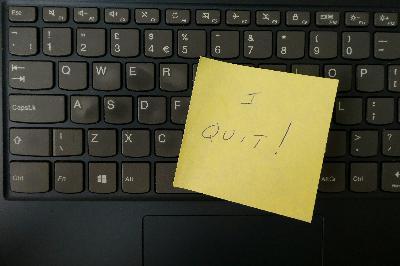
Every time you quit before realizing an important goal without giving your best effort, you make it easier to quit next time. Soon, quitting becomes your default.Knowing when to quit is a skill worth learning. Learn it well and you’ll know you’re making an excellent choice. Fail to learn this lesson and you’ll always be second guessing yourself: “Did I do the right thing? Could I have found a way to keep going? Should I have tried harder?”As the saying goes, “Discipline weighs ounces; regret weighs tons.”Hey there. It’s me, Kore. And you’re listening to Exercising Self-Control: From Fitness To Flourishing.The PrincipleHere’s the main idea:You can only quit if you can honestly say you’ve given 100% effort to succeed.But what does 100% actually look like? It means you’ve had the difficult conversation, sought mentorship, adjusted your approach multiple times, and exhausted your legitimate options. It’s not just that you tried until it got uncomfortable. It means you’ve faced your resistance, pushed past comfort, and been radically honest with yourself about what’s possible.Once you feel the inclination to quit, you must first dig deep. Face your demons and fears. Then give it one more complete effort to make it work. If you can honestly say you’ve done all you can and you still want to quit, it’s the right decision.Photo by Nick Fewings on UnsplashThe 84-Day FrameworkThe 84-day commitment that’s part of The Practice that I recommend makes this principle practical. 84 days is long enough to create major change but short enough to maintain your commitment. Execute with excellence for 84 solid days.This timeframe removes the temptation to quit frivolously. You’re not signing up for a lifetime; you’re committing to a defined period of full engagement. When It’s Right to QuitBut there are legitimate reasons to quit before the end of the 84-day commitment:* A Values Misalignment: The goal no longer fits who you’re becoming or is no longer consistent with your highest values.* It Drains Your Energy: The pain, frustration, or drawbacks outweigh the benefits, negatively impacting your mental health and well-being.* Your Progress Has Stalled: You’ve exhausted reasonable options and have no realistic way to move forward, even with small steps.* You’ve Outgrown It: The goal has become a distraction from even better options.In all these scenarios you need to make a decision.If your partner violates an agreement, if the business model becomes unethical, if circumstances change fundamentally (e.g. new job, location change, health issues) you need to adapt on the fly. These aren’t failures of effort. They’re changes in the game itself. You must maintain your integrity. Quitting under these conditions isn’t frivolous, it’s principled.The Real CostHowever, if you quit without giving your best effort whatever the circumstances, you make it easier to quit the next time challenges arise. Convenience becomes your standard. Continuing through difficulty requires far more strength than walking away.The person who quits too easily becomes someone who needs circumstances to cooperate. The person who quits well becomes someone who can keep going despite the circumstances. As the Carthagian general Hannibal Barca is quoted as saying when told it would be impossible to cross the Alps with war elephants: “I will either find a way or make one.”Take A Break Before You DecideBefore you quit, ask yourself: Have I truly given everything, or am I just tired?It may be that you need a rest from the struggle. Take a break if you can. As much time as you need. Even just a day can be enough. Deliberate development and growth is often uncomfortable. There will be times everyone will question their choices.Don’t make hasty decisions, if at all possible. Take the time to determine what’s really happening. If the break doesn’t have you eager to get back in action you may have reached the end of that particular journey.It takes as much skill to quit well as it does to follow through well, perhaps even more. Quitting is easy, they say. Not if you do it right it isn’t.That’s it for today. Catch you next time. This is a public episode. If you would like to discuss this with other subscribers or get access to bonus episodes, visit stoicstrength.substack.com

Most people think of exercise and studying as competing demands on their time. But what if they could work together? The timing, intensity, and type of movement you choose can dramatically amplify your ability to learn and retain information. You can turn a workout into a cognitive enhancement tool.In my episode Engage Your Brain While Breaking A Sweat I focused on how you can stimulate cognitive development with the exercise choices themselves. Today we’ll explore how you can use exercise to optimize your specific learning and study habits.Hey there. It’s me, Kore. And you’re listening to Exercising Self-Control: From Fitness To Flourishing.The Science of TimingYour brain’s prefrontal cortex, responsible for decision-making and processing new information, temporarily takes a backseat during highly intense exercise. Blood flow redirects to your muscles, and your brain prioritizes motor coordination over complex thinking. This is why studying organic chemistry while lifting heavy weights is ineffective.However, this shift is temporary. Within minutes of finishing intense exercise, the heart rate drops, blood recirculates, and your prefrontal cortex comes back online, so to speak. This post-exercise window is optimal for focused learning. Your body has completed its physical demands and your brain has been primed to absorb new material.Photo by Robert Bye on UnsplashMatching Exercise to LearningDepending on your exercise and study schedule, the order and intensity can be manipulated to work best for your goals.* Before learning: More intense workouts (e.g. running, heavy weightlifting, HIIT) create the ideal conditions for study. Complete your exercise, then begin learning within about 30-60 minutes, having allowed the body to return to homeostasis. High-intensity training is particularly efficient at boosting neurogenesis (i.e. the creation of new neurons in the hippocampus, the seat of learning and memory).* During learning: Keep exercise low-intensity and automatic (e.g. walking, light jogging, or familiar yoga flows). These moderate-intensity aerobic activities stimulate neurogenesis while allowing you to focus on podcasts, lectures, or educational videos. The key is that your movements require minimal conscious thought. Easy aerobic exercise excels at building hippocampal volume and boosting memory over time.* After learning: Moderate-intensity exercise about four hours after the learning session helps consolidate what you’ve learned. New neurons created during this activity have an immediate purpose: strengthening the neural networks you’ve built during your study session.Understanding Exercise Intensity and NeurogenesisBoth moderate-intensity aerobic exercise and High-Intensity Interval Training (HIIT) effectively stimulate neurogenesis, but through different pathways:* Moderate aerobic exercise (e.g. brisk walking, swimming, cycling for 20-30 minutes) promotes steady neuron growth and builds long-term memory capacity. It’s sustainable and excellent for consistent brain development.* HIIT (i.e. short bursts of intense effort followed by brief recovery) is more efficient at rapidly increasing the number of new neurons.The takeaway: consistency matters more than intensity. Even 10 minutes of regular activity builds new neurons. Current guidelines recommend aiming for at least 150 minutes of moderate activity weekly and incorporate HIIT strategically for maximum brain cell production.Why This WorksExercise functions like a gardener tending to your brain. BDNF (i.e. brain-derived neurotrophic factor) is the water and nutrients that allow seeds (i.e. new neurons) to germinate and take root. Neurotransmitters like serotonin, norepinephrine, and dopamine are the sunlight that energizes growth. Without regular watering and sunlight, seeds remain dormant. But with consistent care (i.e. exercise paired with learning) your neural garden flourishes, creating new pathways and strengthening existing connections.The development happens when both elements are present: exercise provides the biological conditions for growth, while learning gives those new neurons purpose and permanence.Start SimpleYou don’t need an elaborate routine. Keep it simple and doable.The strategy is straightforward: align your exercise intensity and timing with your learning demands and watch your cognitive capacity expand.That’s it for today. Catch you next time. This is a public episode. If you would like to discuss this with other subscribers or get access to bonus episodes, visit stoicstrength.substack.com

Paralysis From Too MuchYou’ve got so many things that need doing. Your task list has over a hundred items. Your inbox is overflowing. Your calendar is packed. And right now, thinking about all of it, you feel completely paralyzed. Not because you’re lazy but because the sheer volume you have to deal with feels like too much for any one person to face. You need to get it all done. And you feel like now would be best.Here’s the thing: no one can do it all right now. The sooner you release that expectation, the sooner you’ll actually make progress. You may have too much to do but you can only tackle the task at hand. We’ve all heard this. I’m going to say it again today. It’s one thing to hear the message, it’s another to apply the lesson.Hey there. It’s me, Kore. And you’re listening to Exercising Self-Control: From Fitness To Flourishing.Single-Tasking Is A SuperpowerThis concept is more than just a productivity hack, it’s an exercise in self-control. Single-tasking, or focusing entirely on the one task before you, is something self-help books, instructors, and project managers emphasize constantly. Yet hearing it and living it are different things. Truly applying the principle, on focusing on the present task, can transform it into a superpower.How Tasks Actually WorkThink of your workload like sand in an hourglass. Only one grain passes through the narrow neck at a time. No matter how urgent it seems, all tasks can’t happen simultaneously. Tasks take time. Rushing won’t change that reality. Forcing everything to happen at once only leads to inefficiency and burnout.Photo by Wilhelm Gunkel on UnsplashThe Power Of Focused AttentionThe goal is to free your mental bandwidth. When you concentrate on one task your skills and focus sharpen, making you more efficient. Your energy becomes laser-focused rather than scattered across a dozen competing priorities. This singular attention is what accelerates real progress.The Ten-Page PrincipleConsider a practical example: imagine starting a thousand-page novel. At first glance, it seems insurmountable. But what if you dedicated yourself to reading just ten pages each day?Focus only on those ten pages. If inspiration strikes or you have more time and you read more? Wonderful. But the priority remains hitting your daily target. If you fall short one day, don’t dwell on it. The key is the consistent, manageable goal. In about two months, little steps will carry you more than halfway through the novel.Apply It EverywhereThe same principle applies to your work, your projects, your life. One task. One day. One step at a time.When you stop trying to do everything simultaneously and instead pour your full attention into what’s directly in front of you, your life changes. The overwhelm dissolves. Your effectiveness increases. And you move steadily toward your goals. Not through an impossible to achieve effort but through the routine power of sustained focus.Start NowStart today, in this moment. Pick one task from all those you have to do today. If you’re using a system it will be the next task you have scheduled. Focus all your attention and effort fully on that task. Forget about the rest. Do the task well. And when you’re done, or you’ve used up the allotted time, move on to the next task with the exact same attitude: full focus, forget about the rest.With training this will become how you operate over the course of your day, every day. Before you know it all the previously overwhelming tasks will have been checked off your list. All completed one task at a time.That’s it for today. Catch you next time. This is a public episode. If you would like to discuss this with other subscribers or get access to bonus episodes, visit stoicstrength.substack.com

The 90-Second WindowHere’s a scenario: You feel a surge of anger or anxiety wash over you. Circumstances have triggered a lightning quick, non-conscious response that’s beyond your ability to control. The body does what it does. Not a problem in itself. This is part of the human condition.What makes it a problem is when you find yourself trapped in that emotional cascade for hours.Here’s what neuroscience reveals: the chemicals fueling that emotion only circulate through your body for about 90 seconds. Everything that happens after that window closes depends entirely on you.Hey there. It’s me, Kore. And you’re listening to Exercising Self-Control: From Fitness To Flourishing.How Emotions Take HoldEmotions trigger a flood of neurochemicals. Adrenaline, cortisol, and others flood your system to prepare you for action. In those first 90 seconds, you have a choice. You can notice the sensation without judgment and employ calming techniques like controlled breathing or cognitive reframing. The intensity naturally subsides as the chemicals clear from your bloodstream.But most of us don’t stop there. Instead, we construct a narrative around the feeling. We replay the triggering event, question our responses, imagine different outcomes, and spiral into regret. This cycle, which psychologists call rumination, keeps the state alive indefinitely, long after the initial chemical surge has passed.The chasm between that 90-second window and hours of suffering isn’t mysterious. Your thoughts sustain the emotion. Each time you revisit the story, you reinforce the neural pathways associated with that mood. Essentially reliving it. You become the architect of your own emotional prison.Photo by Nicolas Solerieu on UnsplashTwo Paths ForwardThis understanding opens a door to genuine change. You have two primary levers to pull: your thoughts and your behaviour.Redirecting Your AttentionThe first approach involves redirecting your attention. You can consciously shift focus to something else, interrupting the rumination cycle, and starving the response of the mental fuel it needs. This strategy has merit, especially when you have the space to step back and think consciously about what is happening and how you want to respond.Choosing Your BehaviourBut there’s a more powerful option: behavioural change. Rather than waiting for your feelings to shift before you act, you reverse the equation. You accept the emotion as present, you don’t deny it or suppress it, and you let your actions lead.This means moving forward despite the feeling. You show up to work even though you’re anxious. You reach out to a friend even though you’re hurt. You take the next step even though you’re afraid. Your behaviour becomes the catalyst that transforms your emotional state.You’re not pretending everything is fine. You’re acting with intention despite what you feel. When you behave constructively despite the sensation, you gather evidence that contradicts the story your mind is telling.You prove to yourself that you’re capable, resilient, and in control. Over time, your feelings follow your actions.Reclaim Your PowerThe 90-second window is your biological inheritance. It’s a brief moment when the chemistry of emotion is at its peak. What you do with this understanding determines whether the feeling fades naturally or remains beyond its usefulness.You can’t always control what triggers you but you absolutely can direct what happens next. Choose your behaviour. Own your emotional landscape. It takes awareness and training.Now you know what’s possible. The training is up to you.That’s it for today. Catch you next time. This is a public episode. If you would like to discuss this with other subscribers or get access to bonus episodes, visit stoicstrength.substack.com

Making progress toward our goals is one of the most motivating experiences of all. Even just the smallest perception of progress can keep us going when we’ve been struggling.So what about those times when you notice you’re stuck? You might think to yourself, “I’ve been working on myself and my goals for a year and a half, but I haven’t gotten anywhere.”This was the scenario for a young man in an online group in which I was also a member. He wrote it just like that. Honest. Vulnerable. I think this is more common than most of us want to admit.But here’s the thing: he had made progress. He just didn’t recognize it for what it was.Hey there. It’s me, Kore. And you’re listening to Exercising Self-Control: From Fitness To Flourishing.Here’s the story. A newer member of the group had decided to share his frustration. Despite consistent effort, he felt completely stuck. The group rallied with advice. Several supportive members jumping in with encouragement and helpful suggestions. And I found myself wanting to offer something different. A perspective I thought he really needed to hear.The Expanding ProblemBecause here’s what struck me most. It wasn’t how he articulated his struggle. It was his clarity about why he was struggling.He’d consumed everything. Free courses. YouTube videos. Articles. Podcasts. Endless resources. Yet all that input had gotten him nowhere. He was drowning in possibility. Unable to chart a course through the noise.This is the expanding problem of our times, isn’t it?Photo by ün LIU on UnsplashWe have an overwhelming access to information. It’s like a siren song: “Just learn a little more and you’ll have all you need to succeed with your goals.” But the more time we spend learning, the less time we spend doing. We mistake consumption for progress. We mistake scrolling for growth. We stay busy without actually moving anywhere.How many of us have been there? I know I have. I’m a minimalist when it comes to physical belongings. But when it comes to information I lean more toward being a maximalist, if that’s a thing. I’ve gotten better but it’s something I still deal with if I slack in my discipline. Perpetual curiosity doesn’t help. Anyway, back to the story.The BreakthroughHere’s what I told him. And I’m speaking to all of us here: Recognizing you’re stuck is the breakthrough.That’s progress in itself.Most people never reach this point. They wander for years. Distracted by the next shiny course, the trending methodology, the latest promise of quick advancement. They never pause to ask if any of it’s actually working. They confuse motion with forward movement.But this guy? He’d achieved something valuable: clarity.Sure, it took him eighteen months. That seems like a long time but some people never make that realization. He’d identified the exact problem: a perpetual search but never deciding he had found something.That’s no small achievement. That’s a major pivot point.Where Real Change BeginsAwareness is where real change begins. It’s the first honest step. The one that separates people who drift from people who actually build something.I encouraged him to see this recognition not as a setback but as earned wisdom.The strides he’d made weren’t visible in external results yet. They were internal. He’d learned what doesn’t work. He’d discovered his own patterns. That’s tangible growth, even if it doesn’t feel like it in the moment.With this new understanding he could move forward differently. With intention. With fewer distractions. With a foundation that actually holds.The MirrorThis exchange was a mirror for me, too. And maybe you can relate.How often do we rush past our own moments of clarity? Eager to find the next solution instead of honouring the insight we’ve just gained.The real progress isn’t always visible. Sometimes it’s quiet. Sometimes it’s just the recognition that what we are doing isn’t working. Then making the decision to cut our losses and begin again in a new way.That’s it for today. Catch you next time. This is a public episode. If you would like to discuss this with other subscribers or get access to bonus episodes, visit stoicstrength.substack.com

You’ve probably heard this: get 1% better every day and you will transform your life. It sounds simple. It sounds powerful. And it is. But here’s where things can stall. If you scatter that effort across too broad a focus, nothing changes. If on Monday you focus on your fitness, Tuesday on your business, Wednesday on your relationship, and so on, you’re improving, right?Well, you may be getting 1% better in A, then B, then C, then D but your effort is diluted. Ultimately it’s not productive. By the time you get back to improving your fitness you’ll have lost all your momentum. You may even have slid backward a little.What’s required is a much more concentrated and consistent effort.Hey there. It’s me, Kore. And you’re listening to Exercising Self-Control: From Fitness To Flourishing.Speed vs. Velocity: Why Direction MattersHere’s an analogy. There’s a difference between speed and velocity. Speed measures how fast something moves. You could be moving at the speed of light, but if you’re just bouncing back and forth in the same spot, you’d go nowhere. A snail moving in a straight line will cover more ground in an hour than something with incredible speed but just spinning in place.And that’s the thing, the snail has velocity. Velocity measures not only speed but the direction of that speed. And that’s the difference. Improvement isn’t about how fast you move. It’s about moving consistently in the same direction.Photo by Ash Amplifies on UnsplashThe Framework: Identify, Measure, RepeatWhen you commit to real improvement (e.g. business, health, or any skill) you need three things:First, identify the specific behaviours and metrics that matter. What exactly are you measuring? Revenue? Strength? Writing quality? Be precise.Second, focus fully on those key behaviours. Not everything; the things that move the needle.Third, track them consistently. Though you’re aiming for 1% it won’t be that precise. What matters is the direction stays the same and the trend is improvement.The Motivation ProblemHere’s the most difficult challenge with this approach: 1% improvement doesn’t feel like anything.Tommy Baker, author of The 1% Rule: How To Fall In Love With The Process And Achieve Your Wildest Dreams, points out that if you get 1% better every day for one year, you’ll be 37 times better than when you started. Mathematically true, if you can keep up that pace. But even if you only 10x instead of 37x your performance it’s a massive improvement. Either way, you won’t feel it.The compounding happens so slowly in the beginning you won’t notice much at all. It will feel like you’re just running in place. Lots of motion but no progress.This is where most people quit.The Real Reinforcement: Consistency With Your ValuesThat’s why consistency with your highest values matters. Your values provide immediate reinforcement. And that’s something you need right now, not a year from now.When you’re grinding through those invisible weeks of improvement, the metrics aren’t moving visibly yet. The results aren’t there. But if you’re working toward something that aligns with what you actually believe in, that alignment itself becomes the reward. You’re not just chasing a number. You’re living according to what matters to you.This distinction is crucial. If you’re improving your business purely for money, the early grind feels hollow. But if you’re improving it because you value autonomy, or impact, or building something meaningful? Suddenly the daily work has purpose. The 1% doesn’t feel pointless anymore. It feels like you’re becoming who you want to be.* To explore this idea further check out my episode called The Most Powerful Self-Reinforcement System.What Keeps You On The PathThat’s what helps keep you on the path when the results aren’t visible yet. Yes, you strive to be disciplined. But when your improvement is rooted in your values, consistency becomes natural. You’re not forcing yourself to show up. You’re choosing to because it’s consistent with your Preferred Self.The compounding will come. But first, you have to survive the invisible phase. And you survive it by staying consistent. Both in what you choose to focus your effort on improving and in who you are becoming.That’s it for today. Catch you next time. This is a public episode. If you would like to discuss this with other subscribers or get access to bonus episodes, visit stoicstrength.substack.com
Have you noticed that almost everyone wants the same things? A fit body, financial security, professional success, fulfilling relationships. But what’s the reality? Not everyone achieves these goals.So what’s the difference? What separates those who realize their most important goals from those who don’t? It comes down to what a goal requires. Those who fail to realize a goal don’t do what’s required. It takes more than just choosing a destination. You also need to move.Hey there. It’s me, Kore. And you’re listening to Exercising Self-Control: From Fitness To Flourishing.The Gym Membership IllusionThink about a gym membership. You sign up, you feel motivated, you imagine yourself six months from now being stronger and healthier. That feeling is real and it matters. It reflects your desire to improve your circumstances.But signing up? That’s just an event. It’s a single moment. What actually transforms your body is what needs to happen next: the consistent workouts, the discipline to show up even when you don’t feel like it, and the process of putting in the work week after week for months. Not to mention the equally important behaviour changes in eating, sleeping, and time management. That’s what shapes the health and fitness you’re after. When done well you will have established a practice you’ll enjoy for the rest of your life.Photo by Jimi A. on UnsplashCommit To The ProcessThe same principle applies everywhere. Whether it’s building wealth, advancing your career, or mastering a skill, the people who succeed aren’t necessarily smarter or luckier than everyone else. They’re simply committed to the process. They understand that goals are just destinations on a map. The actual journey is what gets you to the destination. It’s the daily work, the systems you follow, the habits you build.In other words, the goal determines the direction of movement but without movement you stay where you are. Both are necessary but the process, the movement, is where most people fail. So that’s where we need to put the emphasis.Why This MattersHere’s what makes this understanding powerful: once you shift your focus from the outcome to the process, you become clear about what you must do. You stop waiting for motivation to strike. You stop looking for shortcuts. Instead, you show up consistently because you’ve committed to the work itself, not just the promise of what it might bring.And here’s the best part. When you commit to the process, the results follow naturally. That’s how reality works. When you move in the direction of your destination you cover the distance, bringing you closer.Alignment: Your Actions Reveal Your CommitmentsBut commitment to the process also means being honest about the choices you make. If you want to get fit but you’re buying junk food at the grocery store, you’re not really committed to fitness. Instead, you’re committed to something else. Maybe convenience, maybe flavour, maybe comfort. Your actions reveal your true commitments.This isn’t about judgment; it’s about clarity. When your daily choices align with your goals, progress becomes inevitable. When they don’t, you’re moving in a direction that won’t get you where you say you want to go.The Bridge From Here to ThereThe journey from where you are now to where you want to be is bridged entirely by process. You might not know every detail of what that process looks like yet and that’s okay. What matters is that you commit to working through it, learning as you go, and adjusting when necessary. That commitment, that willingness to do the work, is what realizes the goal.If you keep going long enough, and your actions are aligned with your goal, success is essentially inevitable.Your Next StepGive this a try: identify one of your goals. Stop focusing on the outcome for a moment. Instead, define the process clearly. What daily or weekly actions would move you toward that goal? What system would you need to follow? Once you know, commit to the process just as much as you are committed to the result. Then take action consistently.Do this long enough, improving your skills and the process along the way, and the results you want will be realized naturally.That’s it for today. Catch you next time. This is a public episode. If you would like to discuss this with other subscribers or get access to bonus episodes, visit stoicstrength.substack.com

Here’s a scenario: You feel stuck in a circumstance. Could be a job, a relationship. Whatever it is you know something needs to change but you’re paralyzed by uncertainty. So you wait. You think. You research. And nothing changes.Meanwhile, the people who are moving forward, who are making decisions and taking action, are learning things you never will. They’re discovering what works, what doesn’t, and most importantly, who they actually are.Hey there. It’s me, Kore. And you’re listening to Exercising Self-Control: From Fitness To Flourishing.Thinking vs DoingHere’s the key distinction: there’s a universe of difference between Thinking Choice and Enacted Choice.* Thinking Choice happens only in your head. You imagine doing something. You might even plan it out mentally, visualizing success, but nothing physically changes.* Enacted Choice requires action. It’s physically observable. It could be recorded. It’s when you actually do the thing. That’s the moment of actually making the choice.And this matters because you learn best through action and experience.Why Speed MattersWhen you make decisions quickly, you get feedback faster. You discover whether your choice was right or wrong in real time, not in theory. That feedback is invaluable.Consider this: if you’re trying to get fit, you might spend months researching the perfect workout program. You read articles, watch videos, talk to friends. But until you actually start exercising, you haven’t learned anything about what works for you specifically.So you pick a program and commit to it for three weeks. It’s brutal. You hate it. You quit.That’s not failure, that’s data. Now you know that program doesn’t work for you. So you try something different. It’s better but still not quite right. You adjust again. This one clicks into place. You’re consistent, you’re seeing results, and you even look forward to the workouts.Those first two you tried? They weren’t a waste of time. You learned something real. You initially tried them because you imagined they’d work for you. It was only taking action that revealed the truth.Photo by Jon Tyson on UnsplashThe Risk CalculusNow, not all decisions are equal. Some choices will make a permanent mark in your life, so to speak.You need to think clearly about any potential permanent downside. When the potential downside could be serious (e.g. complications from an elective surgery) you must understand the consequences and select the one that’s most consistent with your highest values and most important goals.Even in these more serious circumstances only action will reveal the result.But here’s the thing: most decisions in life have minimal irreversible consequences. Trying a new exercise program, a new job, a new approach are generally experiments from which you can recover if they don’t go well. You may lose some time, some money, some other opportunities but you gain experience. That’s an investment, not a cost.Compare that to staying stuck. Staying stuck is the real cost. Now you’re spending the same time but learning nothing new.The TaskHere’s the takeaway: stop waiting for certainty. You’ll never reach certainty by trying to think your way to realizing any of your goals.The next time you’re facing a decision with no serious downside, make it quickly. Take action. See what happens. Learn from the result. Adjust and try again.This is how effective people operate. Not because they’re smarter or luckier but because they’ve accepted that action is the only real teacher. They’ve learned to make choices quickly, fail fast, and move forward.Now it’s your turn. What’s one thing you’ve been thinking about doing but haven’t started. Make the choice by doing it this week. And if you feel so inclined, let me know what you learned.That’s it for today. Catch you next time. This is a public episode. If you would like to discuss this with other subscribers or get access to bonus episodes, visit stoicstrength.substack.com

What if the most powerful strategy in relationships isn’t winning arguments, outsmarting competitors, or being endlessly nice? What if it’s something far simpler and far more effective?This strategy lies in a principle so fundamental that it mirrors reality itself: consistency.When you become predictable, reliable, and fair in your dealings, you unlock something that money, charm, and intelligence alone cannot buy: trust. And trust is the currency that compounds forever.Hey there. It’s me, Kore. And you’re listening to Exercising Self-Control: From Fitness To Flourishing.Why Consistency WinsConsistency wins because it develops trust, provides reliability, and leads to long-term cooperation. It succeeds where pure aggression or unconditional passivity fail.Acting on First PrinciplesActing on first principles means building decisions on fundamental truths about how reality works. Reality is predictable. Gravity doesn’t surprise you. It’s reliable. You never have to doubt whether the ball you throw into the air will come down. When you act on first principles, you align your behaviour with these natural laws. You are striving to be as reliable as reality itself.Photo by Moises Alex on UnsplashThe Four Rules Of Engagement1. Provide Clear, Consistent BoundariesWhen your responses are consistent and proportional, people can relax. They know what you reward and reject. They stop testing you, not out of fear but out of predictability. There’s no advantage to testing someone whose response you can predict.Example: Business* A contractor delivers on time and on budget. When a client tries to negotiate after completion, the contractor politely declines. By the third deal, the client stops testing. They’ve learned: this person is fair and their word is their bond. The consistent contractor wins the long-term relationship.2. Shape For Future BehaviourYour response to a behaviour teaches the other person how to treat you next time. Consistency provides structure. People know if they deal fairly with you, they’ll be treated fairly back. If they betray you, they lose that benefit.Example: Relationships* A friend repeatedly cancels plans last-minute. The first time, you let it slide. The second time, you address it directly. The third time, you simply don’t make plans for a while. Not out of anger but consistency. If they start showing up reliably, you immediately return to full engagement. You’ve taught them through actions, not words.3. Avoid The Unworkable ExtremesMost people fall into one of two mistakes:* Unwarranted Aggression: Winning every argument destroys trust and leads to isolation.* Hopeful Niceness: Being too soft rewards exploitation. Generosity without boundaries invites people to take advantage.The reciprocal strategy balances both. It rewards cooperation, mirrors betrayal only once, and forgives when the other person returns to cooperation. This balance of trust with consequence is what most people miss.4. Focus On The Long-TermThe person who plans for the quality of the relationship wins over the person who merely tries to win in the moment. Crushing someone feels satisfying once, perhaps. Earning trust takes much more effort but is beneficial for everyone long into the future.The Game Theory Foundation: Tit-for-TatIn game theory, this strategy is called tit-for-tat:* First move: Enter expecting cooperation and goodwill. Lead with trust.* If betrayed: Respond in kind. Burn them in return once.* The critical move: Assume they made a mistake and the goodwill still exists. Never punish more than once.They learn you’re predictable. Eventually, they either stop trying to screw you over, or you choose to stop dealing with them. Either way, the problem is solved.Be As Reliable As Reality ItselfYou know what else is predictable? Reality.That’s how you want to approach life. Be as reliable and predictable as reality itself. Gravity doesn’t negotiate. The seasons don’t change based on emotion. When you operate on principle, your behaviour becomes predictable. People can trust you the way they trust physics.Your ReflectionAsk yourself: Where in my life am I being inconsistent?* Where are you rewarding behaviour you shouldn’t?* Punishing people multiple times for the same mistake?* Changing your standards based on mood?Identify one area. Commit to being as consistent as reality itself in that area for the next 21 days. Pay attention to what happens.To Succeed Long-TermConsistency, just like excellence, can seem boring but it’s powerful. It’s the strategy that wins in game theory, builds trust, and creates long-term cooperation in business, relationships, and leadership.To succeed more often be as reliable and predictable as reality itself.That’s it for today. Catch you next time. This is a public episode. If you would like to discuss this with other subscribers or get access to bonus episodes, visit stoicstrength.substack.com

One of golf’s greatest champions had a playing style so consistently brilliant that it could appear boring to observers. That champion was Ben Hogan. The thing is Hogan himself was never bored. He was intensely, passionately committed to the pursuit of consistency.There’s a valuable lesson in this for the rest of us.Hey there. It’s me, Kore. And you’re listening to Exercising Self-Control: From Fitness To Flourishing.The Illusion of BoredomHogan’s approach to golf was methodical and predictable. So much so that his play could seem mechanical to spectators. He’d step up to the tee with a clear plan: He’d first aim to put the ball there on the fairway, then there, then on the green, then in the hole. The execution appeared almost robotic. His pre-shot routine was described as “mundane in its consistency.” But that consistency masked something far more dynamic: an obsessive pursuit of excellence.Hogan wasn’t disengaged. He was laser-focused. He famously said, “Golf is not a game of good shots. It’s a game of bad shots. The guy who misses the best is going to win.” This wasn’t a flippant observation, it was the driving philosophy behind his relentless discipline. He didn’t chase spectacular shots or high-risk pin placements. Instead, he shaded his approach shots toward the center of the green, hit fairways consistently, and avoided catastrophic mistakes.This wasn’t boring to him; it was the challenge of mastering the game itself.Photo by Mick Haupt on UnsplashThe Laboratory of ExcellenceHogan viewed the driving range as a laboratory, not a place of mindless repetition. He called it finding “the secret in the dirt.” Here he would search for the answers through deliberate, investigative work.A fellow pro once asked him how practice was going, and Hogan replied, “Not very good. I keep hitting my 4 iron 174 and 176 yards.” He was frustrated because he couldn’t achieve perfect consistency down to a single yard. That’s not boredom. That’s obsession.Hogan never felt he’d mastered the game though that was his goal. Every shot was a calculation. His mental discipline was legendary. The Scots called him “the Wee Ice Mon” for his self-control and his control of emotion during play. He definitely had passion but it was channeled into pure focus.The Universal PrincipleHere’s what Hogan understood: excellence appears boring from the outside because it’s built on repetition, consistency, and simplicity. But from the inside, it’s a constant challenge. The work is straightforward: show up, execute the fundamentals with discipline, and pursue incremental improvement. That simplicity requires extraordinary mental commitment.The TakeawayExcellence isn’t about being interesting or exciting. It’s about being reliable and committed. Ben Hogan showed that the most impassioned pursuit can look like the most boring execution. His consistency didn’t signal disengagement. It was the visible result of an invisible obsession with mastery.Here’s the lesson for the rest of us: Excellence may be boring to watch but it’s never boring to pursue.That’s it for today. Catch you next time. This is a public episode. If you would like to discuss this with other subscribers or get access to bonus episodes, visit stoicstrength.substack.com

Your brain doesn’t just sit idle while your body works out. It’s actively rewiring itself with every movement you make. The type of exercise you do influences which cognitive skills are influenced but keep this in mind: consistency matters far more than novelty. A person who runs on a treadmill three times a week will see greater cognitive gains than someone who sporadically partakes of an obstacle course race.Hey there. It’s me, Kore. And you’re listening to Exercising Self-Control: From Fitness To Flourishing.Physical activity boosts blood flow to the brain, delivering oxygen and triggering the release of dopamine, endorphins, and adrenaline. These neurochemicals enhance mood and boost energy while stimulating neuroplasticity. This is the brain’s ability to reshape itself through new experiences. This process fosters neurogenesis, the birth of new neurons particularly in the hippocampus, the brain’s memory center.Research suggests that 4-12 weeks of consistent aerobic exercise can measurably improve memory and processing speed, though individual timelines vary based on age, fitness level, and existing health conditions.Different Activities, Goals, And ResultsDepending on how you exercise, your brain and cognitive functions will respond differently. * Trail running demands constant decision-making as you navigate obstacles and react to changing terrain, engaging executive functions. * Gymnastics, martial arts, and dance strengthen connections between brain hemispheres through precise, coordinated movements while enhancing proprioception (i.e. your awareness of body position in space). * Team sports add another layer: you must read teammates’ cues, anticipate opponents’ actions, coordinate both verbally and non-verbally, as you strategize in real time during play.However, repetitive exercise like steady-state treadmill running or swimming laps in a pool shouldn’t be dismissed. These activities can induce a meditative, flow-state that reduces stress and anxiety. For many people, the mental clarity and consistency that comes from a familiar routine outweighs the cognitive stimulation of constant novelty.Photo by Jeffrey F Lin on UnsplashA Practical Framework For ProgressionStart with an exercise you genuinely enjoy and can sustain. This is your foundation. Once you’ve established consistency (ideally 4-6 weeks), introduce one element of novelty: vary your treadmill incline, add a partner to your workout, change the order of the exercises, or change the timing between the sets. This approach maintains cognitive engagement without overwhelming yourself or risking burnout.The goal is sustainable challenge, not constant disruption.Limited Environment Or Options?What do you do if your environment is limited? Not everyone has access to trails, lakes, or varied modalities of exercise. If you’re in an apartment or have mobility constraints, you can still achieve cognitive benefits: vary treadmill speed and pace, use online fitness classes with different instructors and styles, practice bodyweight exercises in different rooms or layouts, or explore the same movements with different equipment (e.g. stretch bands instead of dumbbells, kettlebells instead of barbells). The principle is introduce manageable variation within your constraints.The increased oxygen from consistent exercise also improves sleep quality, which consolidates both physical and mental development.Keep Yourself Interested Over The Long-TermBottom line: Exercise is a powerful tool for brain health but only if you actually do it. Choose activities you’ll stick with, prioritize consistency over optimization, and when you’re ready, layer in variations.By keeping exercise interesting as you challenge yourself physically you’ll be developing your brain as much as your body.That’s it for today. Catch you next time. This is a public episode. If you would like to discuss this with other subscribers or get access to bonus episodes, visit stoicstrength.substack.com

Continuing the theme of being more productive in your work life from yesterday’s episode I’d like to give you four opportunities for exercise breaks during your day. As you’ll see it’s best to take advantage of all four. They each have their own rationale for where they’re to be used.And just so you know these exercise snacks, as they’ve been called, are supplementary to your dedicated exercise workout. You’ll still have your “main meal” of exercise to look forward to, as well. Don’t worry, these are just snacks. They fit in your day easily. And they’re well worth it.Hey there. It’s me, Kore. And you’re listening to Exercising Self-Control: From Fitness To Flourishing.The Evolutionary CaseThink of primitive man. He had to be physically active in order to survive: moving to find or catch food or to avoid predators. His brain evolved to expect movement. Today, we sit. We’ve broken the pattern our bodies were built for and we wonder why we’re fatigued and unfocused.The cost is real: sedentary work reduces blood flow to the brain, suppresses BDNF (the chemical that builds new neural connections), and leaves us mentally foggy by mid-morning. Movement fixes this.The Four Opportunities For Exercise* Move to start your day. Get your heart pumping before email, before meetings, before tackling work. This increases blood flow to the brain, aligns your circadian rhythm, and gives you more mental clarity than coffee. Even 10 minutes works.* Move before each meal. Earn the meal, so to speak. Movement before eating improves digestion, stabilizes blood sugar, and prevents the energy crash that kills productivity.* My episode Mimic Your Ancestors Before Eating goes into more detail on this.* Move consistently throughout the day. Every 60-120 minutes, take a 5-15 minute movement break. This aligns with your natural ultradian rhythms (i.e. your attention span naturally dips at these intervals). A quick walk, stretching, or bodyweight exercises resets your focus.* My episode Use The Science Of Ultradian Rhythms For Peak Performance has more details.* Move before you retire for the evening. Calming, relaxing movement (e.g. relaxed stretching or yoga poses) winds down your nervous system and improves sleep quality. Better sleep means better thinking tomorrow.Common Objections“I don’t have time.” You don’t have time not to move. As cliche as that sounds it’s still true. Five minutes of movement can return over 50 minutes in clear and focused thinking. It’s an investment, not a cost.“I’ll get sweaty.” You don’t need to break a sweat. Save that for your proper workout session. Walking, stretching, and light movement count. A quick set of desk push ups or squats don’t need to be taken to full workout levels. That said, comfort is secondary to the boost in cognitive performance.“I’m too tired.” Movement creates energy. The fatigue you feel is often from stillness, not exertion. This one’s important so I want to expand on this further.* When you take a quick movement break, your body gets an energy boost. Your heart pumps faster and sends more blood throughout your body. This blood carries oxygen and nutrients to your cells, which they use to make energy.* At the same time, your brain releases energizing chemicals like endorphins, dopamine, and adrenaline. These chemicals make you feel more alert, help you focus better, and put you in a better mood.* It’s like your body flips a switch that wakes everything up. You feel invigorated and energized even though only minutes before you felt like taking a nap.Photo by Olivier Collet on UnsplashThe ExperimentTrack this for a week or two: your energy levels, focus quality and duration, and work output. Most people notice how much sharper they are immediately.Your business doesn’t need you to push harder through your fatigue, it needs you to think better. To think better, you must move better.Maybe it’s not “a sound mind in a sound body,” but “a sound mind through a sound body.”That’s it for today. Catch you next time. This is a public episode. If you would like to discuss this with other subscribers or get access to bonus episodes, visit stoicstrength.substack.com
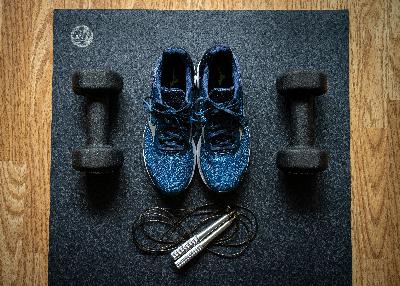
Today’s episode goes out to all my fellow solopreneurs out there. It’s a bit of a rant, a bit of tough love, and a reminder to take your exercise practice seriously.And I’ll add this: even if you don’t consider yourself a solopreneur or small business owner it all still applies. You are your own business even if you work for a large company. Your client just happens to be the company you work for. The better you serve your company (i.e. your manager, supervisor, or boss) the more likely they are to keep paying you for your services or products.That said, on with the show.You think your business fails because of market conditions, timing, or bad luck.Perhaps.Even if those are contributing factors, can you change those circumstances? No. They are what they are. What’s another alternative that’s entirely within your power to change?Your business may be failing because you haven’t trained your mind to make the excellent choice whatever the market conditions, timing, or the quality of your luck.And the best context for training your mind? Your body.Hey there. It’s me, Kore. And you’re listening to Exercising Self-Control: From Fitness To Flourishing.The Illusion of ControlHere’s what most people get wrong: they think they control their body. You want to move your arm, you move it. You want to stand, you stand. It feels like control.It’s an illusion.Your body is as much beyond your control as the economy. The Stoics knew this over 2,000 years ago. What is in your control? One thing only: your intention.This is the Dichotomy of Control and it changes your perception of everything. You think it may limit you. It’s the key to your freedom.Why Exercise Is Your Secret WeaponAs a solopreneur you face decisions all day. Should you check email or focus on deep work? Should you take on the new client or pass? Should you ship the product or refine it more?The quality of those decisions depends entirely on the quality of your thinking. And the quality of your thinking depends on the health of your brain.Movement and physical exertion are vital for brain health. To think better, you must move better.When you exercise consistently, you’re not just conditioning your body. You’re strengthening your brain. You’re improving how you direct your attention, your focus, your ability to reason. You’re literally making yourself a better decision-maker.The Practice To Train Making Better ChoicesExercise is the ideal arena to master virtuous self-control because:* It’s always available. You don’t need to wait for the right moment. Your body is at hand, so to speak.* The feedback is immediate and honest. You can’t lie to yourself. Either you did the workout or you didn’t. Either you made the choice or you didn’t.* It’s simple enough to focus on. Your entire life is too complicated to master all at once. But a consistent exercise practice? That’s manageable. That’s where you start.* It generalizes everywhere. The self-control you build in your fitness practice transfers to your business decisions, your relationships, your finances. You’re training your ruling centre, your faculty of choice.The Two Kinds of ChoiceNever make the mistake of confusing thinking about doing something with actually doing it.I call this Thinking Choice versus Enacted Choice.You can think about getting up at 5:30 in the morning. That’s easy. But until your feet hit the floor at 5:30 in the morning, you haven’t made the choice. The physical follow-through is the choice.This is why exercise is so powerful for solopreneurs. It’s where you practice Enacted Choice. Every rep, every run, every session is you choosing excellence in the moment. No excuses. No rationalizations. Just you, making the harder choice.And when you master that? When you can choose the more difficult thing consistently in the gym? You bring that same strength to your business.Photo by Alexandra Tran on UnsplashThe Real Goal Isn’t FitnessHere’s the thing: It doesn’t matter if you get shredded. It doesn’t matter if you run a marathon or lift a certain weight.What matters is this: Can you make the excellent choice when it takes more effort?* Can you choose to exercise when you’re tired?* Can you choose the apple when you want the donut?* Can you choose to go to bed on time when you want to scroll on your phone?Because if you can’t master those choices in the one arena where the options are simplest and the feedback is clearest, how are you going to master the choices that actually build your business?Health, like wealth and reputation, is what the Stoics called a “preferred indifferent.” It’s the material of reality with which you exercise your virtue. The real work isn’t getting healthy. The real work is strengthening your character through the practice of making virtuous choices.Start Small; Start NowYou don’t need a perfect program. You don’t need the best gym or the fanciest equipment. You need consistency.Pick something you can actually do. Something you’ll stick with. Something that challenges you but doesn’t overwhelm you.Then do it. Every day. Not because you think you should. But because you’ve decided that mastering your own mind is non-negotiable for building the business and life you want.Because here’s what I know: the solopreneurs who win aren’t the ones with the best ideas; they’re the ones with the strongest minds. The ones who can choose excellence when nobody’s watching. The ones who’ve trained themselves to think clearly under pressure. The ones who can make a plan and follow through.Your training starts best with your body. Where it ends is up to you.That’s it for today. Catch you next time. This is a public episode. If you would like to discuss this with other subscribers or get access to bonus episodes, visit stoicstrength.substack.com

To Acquire A SkillWhen learning a skill most people quit before they get a realistic start. Not because they lack ability but because they lack patience. They abandon their efforts after less than 10 hours, convinced they’re “not cut out for it.” They never discover what’s actually possible.The barrier between mediocrity and competence isn’t talent. It’s time. Put in between 25 and 50 hours of deliberate practice and you’ll reach a level of skill not many can claim.Hey there. It’s me, Kore. And you’re listening to Exercising Self-Control: From Fitness To Flourishing.The Numbers Behind Skill AcquisitionResearch on skill acquisition reveals a predictable pattern. Competence in the basics requires approximately 25-50 hours of focused, deliberate practice. During this window, your brain forms the neural pathways necessary to perform fundamental tasks with consistency.You move from conscious incompetence (often the most frustrating level and where most people quit) to conscious competence (where you know what you’re doing but you still need to think).Mastery, by contrast, takes roughly 10,000 hours. Malcolm Gladwell popularized this figure and it’s suggested for elite performance. It’s not a hard number but it’s a good rule of thumb to describe the amount of practice required. Another alternative, put forward by Naval Ravikant, is that it could be 10,000 iterations. Either way it’s a lot of work. We’re talking here about what it takes to reach virtuoso level, the domain of world-class performers. But you don’t need mastery to make excellent progress and become exceptional. You need competence.The gap between 50 hours and 10,000 hours is where most valuable work happens. This is where you become genuinely useful, where you can create real results, where you stand out from the 90% who never commit to the work.Why 50 Hours Changes EverythingCompetence is a threshold. Cross it and you’re no longer a beginner. You understand the fundamentals. You can troubleshoot problems. You can teach others. You start becoming, as Steve Martin the comedian put it, “so good they can’t ignore you.”Most people never reach this threshold because they underestimate the commitment. They think 5 hours should be enough. They think 10 hours proves whether they have “the gift.” But that’s not enough. Fifty hours is the real test. Not the test of talent but of whether you’re serious and willing to put in the work.How To Get 50 Hours Within One 84 Day ExperimentHere’s how to make it practical within one 84 day experiment. This is the length of time used in implementing The Practice:* 50 minutes during weekdays only = 50 hours within one 84, hitting the target with weekends off* 50 minutes daily = 70 hours within one 84, exceeding the baseline that ensures skill competenceThe math is simple. The execution is doable. What’s difficult is the follow through.Photo by Nathan Dumlao on UnsplashPractical Example: Mastering Your PhoneHere’s an example. You want to stop checking your phone out of habit. It’s a small habit but you want to demonstrate to yourself you can reclaim your attention. You know it fragments your focus and pulls you away from what matters.Frustration Level (0-10 hours): You commit to waiting 25 minutes before checking your phone in the morning and again after eating lunch. You make it three days, then slip. You tell yourself you’ll restart tomorrow. The urge is overwhelming. You feel like you’re fighting yourself constantly.Competence (25-50 hours): Somewhere between Week 4 and Week 6 of deliberately waiting 25 minutes before checking your phone, something has changed. The urge still arises but you can observe it without acting on it. You’re no longer in conflict with yourself. You’ve rewired the automatic response. Now, you own your attention instead of your phone owning it.This is competence. Not perfection, not mastery but genuine, reliable change. This opens up possibilities that weren’t there before.The OpportunityYou know you need to put in the practice; you know it’s achievable; the math makes sense. Most people won’t make the effort. That’s your opportunity.Commit to 50 hours of deliberate practice, actually follow through, and you can become exceptional.That’s it for today. Catch you next time. This is a public episode. If you would like to discuss this with other subscribers or get access to bonus episodes, visit stoicstrength.substack.com

Many people spend their lives trying to cross someone else’s finish line. They measure their worth against colleagues, competitors, or strangers on social media. They are always looking outward, never quite measuring up.If you enjoy the challenge of competition what else could you do? Have you considered competing with your ideal adversary? Who’s that exactly? I suggest this is the person you were yesterday.Self-competition is a fundamentally different approach to success. Rather than measuring yourself against others, you measure yourself against your own potential. It’s a shift that transforms not just what you achieve but who you become in the process.Hey there. It’s me, Kore. And you’re listening to Exercising Self-Control: From Fitness To Flourishing.Why Self-Competition?Here are 10 reasons why self-competition is the superior path:* You’ll constantly strive toward a higher standard of personal excellence. This is the essence of personal development: continuous improvement without external limits.* You live your highest values while realizing your most important goals. When you compete against others, you risk losing sight of what matters to you. Their success can influence you to adopt values that aren’t yours or pursue goals that don’t align with your vision.* You’ll learn valuable lessons about yourself. You get to explore your interests, drives, and ideas. When you compete with others, they set the agenda.* You become more independent. You learn to trust your own thinking and gain a confidence that basing your choices on what others think would never provide.* You’ll maintain healthier relationships more naturally. When you compete against others, you risk experiencing them as opposition instead of inspiration.* You get to define success. You stay in control of your experience with greater focus and clarity.* Everyone’s potential is unique to them. Competing against those with higher potential sets you up for disappointment. Competing against those with lower potential may have you resting on your laurels. But you competing against you is a perfectly fair competition. You both have the same potential. You are your ideal competition to draw out your best performance.* You’ll maintain your equanimity better. External competition leads to being influenced by others’ pace and effort. Self-competition puts you in control of the experience.* Those you compete against may have different standards than you. You’ll end up selling yourself short on what you’re capable of doing, or conversely, you may get discouraged trying to reach unrealistic standards that aren’t yours. You must set your own standards for what excellence means to you.* You’ll keep becoming better. When competing against others, you may stop once you’ve surpassed everyone else. But when you reach a new level of achievement competing against yourself, the bar resets. Can you do even better?A Gym ExampleSo what might this actually look like in your life?Here’s an example. Imagine you’re training for fitness and you’ve been comparing yourself to someone at your gym. Maybe they’re stronger, leaner, or more disciplined. You measure success by whether you’re “better than them.” But here’s what happens: if they hit a new personal record, you feel defeated. If they skip workouts, you feel temporarily superior, but it’s hollow.Now flip the script. Instead ask: “Am I stronger than I was six months ago? Can I do more reps with better form? Do I have more energy and endurance?”Suddenly you have a metric that specifically addresses what you’ve actually done in the past. You’re not waiting for someone else to set the standard. You’re not chasing their trajectory. You’re building your own.Competing With Others Has Its PlaceThis isn’t about ignoring others or becoming indifferent to the world around you. External competition has its place. It can motivate, inspire, and push you to grow. But it should be secondary, not primary. Use others as inspiration and as benchmarks for what’s possible. Learn from their achievements but don’t make them your scoreboard. The moment you do, you’ve surrendered control of your own narrative.That said, self-competition requires honest self-assessment. Without it, you can rationalize mediocrity or use it as an excuse to avoid feedback. The goal isn’t to become isolated or dismissive of outside perspectives. It’s to make your own growth the primary driver, while remaining open to learning from what others are doing.Photo by Lance Grandahl on UnsplashA Starting PointStart where you are. Pick an area where you’re currently measuring yourself against someone else: your career, your fitness, your creative output. Notice it. Acknowledge it. Then ask yourself, “What would excellence look like if I removed that other person from the equation? What standard would I set for myself based on my own values and capabilities?”Life-Changing ImplicationsThe practical implications are life-changing. You’ll experience less anxiety because you’re no longer subject to someone else’s performance. You’ll make better decisions because they’re rooted in your values, not in reaction to external pressure. You’ll build genuine confidence. This is the confidence that comes from knowing you’re doing your best work, not from arbitrarily exceeding someone else.Most importantly, you’ll create a sustainable path forward. External competition is exhausting because there’s always someone faster, smarter, or more talented. But competing against yourself? That’s a game you can play your entire life. Every time you level up you have a new starting point. Every milestone raises the bar. You don’t need to try to be the best. You only need to try to be better than you were.The Real Prize: Peace of MindThe race against others has a finish line. The race against yourself never does. That can sound intimidating but it’s a good thing.When you stop measuring yourself against others, something shifts. The constant comparison stops. The envy fades. The sting of someone else’s success diminishes. You’re no longer trapped in a game where the rules keep changing based on what other people do. Instead, you step into a game where you control the rules, the pace, and the outcome.That’s peace of mind. It’s the psychological freedom that comes from knowing your worth isn’t determined by how you stack up against anyone else. It’s the quiet confidence of someone who’s stopped looking over their shoulder. It’s the ability to celebrate others’ wins without it threatening your own sense of progress.This is the real benefit of self-competition. Not just better results, though you’ll get those. But a fundamentally different relationship with yourself and your effort. You’ll sleep better. You’ll feel lighter. You’ll move through your days without the constant hum of comparison anxiety in the background.That’s what happens when you stop racing against the world and start racing toward your own potential. You don’t just achieve more, you experience more peace.That’s it for today. Catch you next time. This is a public episode. If you would like to discuss this with other subscribers or get access to bonus episodes, visit stoicstrength.substack.com

Some days, even just some moments within some days, are more challenging than others. On those days a person can do with a reminder of why striving for personal excellence is worth it. Why the effort to become the person they imagine they could be matters.It’s easy to be disciplined and work hard when circumstances are falling in place, you’re full of energy, and the sun is shining. Enjoy those days.This is the reminder you may need for those other days.Hey there. It’s me, Kore. And you’re listening to Exercising Self-Control: From Fitness To Flourishing.Living with Stoic Strength, what I call virtuous self-control, is not a path to be taken lightly. It’s the harder path but there is no more effective means of realizing your most important goals.Here’s the thing about Stoic Strength as a means of moving through the world. When you have this strength, this virtuous self-control, it doesn’t matter what your circumstances happen to be. You can drop a Stoic Strength Operator into any circumstance. They immediately make that circumstance and environment more excellent.It’s like they’re an Excellence Engine. They’ll create excellence wherever they find themselves with whatever materials are at hand. They act and events unfold as they may. Whatever happens, they continue operating with excellence. Unwaveringly exercising virtuous self-control in the moment of choice.Photo by Markus Spiske on UnsplashAnd here’s what makes this truly transformative: because of this consistent focus on personal excellence, the environment through which they move becomes more excellent, as well. Their excellence moves beyond them like the ripples of a stone dropped into a pond. By making their own life better, they make the world better.The Ripple Effect of Personal MasteryThink about the people in your life who embody this kind of integrity. They’re not perfect, they struggle like everyone else. But when faced with difficulty, they choose what’s right over what’s easy. They choose growth over comfort. And something shifts in the people around them.When you walk into a room with someone who operates from genuine virtue, you feel it. Their calm within the chaos becomes contagious. Their commitment to excellence raises the standard. Their refusal to compromise their values in the face of pressure gives others permission to do the same. They don’t need to preach or convince. Their example speaks.This is the hidden power of Stoic Strength Training. You’re not just building personal discipline. You’re not just living your own values while realizing your own goals, though you absolutely will. You’re a force for good in a world that desperately needs it.The Unseen Moments of VictoryBut let’s face something squarely here. It’s easy to live your values when someone’s watching. When there’s an audience, when there are witnesses to your struggle and your choice, the effort feels justified. You can see the impact. You can feel the recognition, even if it’s just internal acknowledgment that you showed up well, that you provided an example, you fulfilled your role.The real transformation happens in the moments no one sees.It’s the choice to do the right thing when you’re completely alone. When no one will ever know you took the harder path. When the easier choice would take so much less effort and no one would be the wiser. When the discipline to maintain your values seems pointless because there’s no witness, no validation, no external reward.This is where the strength that matters is developed.Because here’s the crucial distinction: the person you become in private is the person you actually are. The choices you make when no one’s looking? Those are the ones that shape your character at the deepest level. Those invisible victories compound in ways that visible ones never can. They build a foundation of integrity that can’t be shaken because it’s not dependent on recognition or approval.When you choose excellence in the unseen moment, you’re not just making a small difference. You’re fundamentally altering who you are. You’re training yourself to be someone who operates from virtue regardless of circumstance, regardless of audience, regardless of whether anyone will ever know.And that person, that version of you, changes everything. Because that integrity becomes unshakeable. It becomes the bedrock from which all your visible actions flow. The ripples that move outward come from a source that’s genuinely rooted in who you are, not in who you’re trying to appear to be.A Possible World Shaped by ExcellenceImagine what happens when more people commit to this path. When more individuals refuse to be diminished by circumstance. When more people choose to exercise virtuous self-control in the moment of choice, regardless of the cost. When more people become Excellence Engines operating within their families, their workplaces, their communities.The ripples flow outward. One person’s integrity influences another. That person’s commitment to excellence shapes those around them. The standard rises. The culture shifts. What seemed impossible becomes inevitable.This isn’t naive idealism. History shows us that transformative change rarely comes from grand gestures or external mandates. It comes from individuals who decide that their character matters more than their comfort, who decide that excellence isn’t optional, who decide that the world is worth the effort of becoming better.Your Part in Something LargerWhen you commit to Stoic Strength Training, you’re not just investing in yourself. You’re participating in something larger. You’re becoming part of a lineage of people who understood that personal mastery and world-making are inseparable.Every moment you choose virtue over convenience, you’re casting a vote for what’s possible. Every time you operate with excellence despite difficulty, you’re showing others what’s achievable. Every day you refuse to be diminished by circumstance, you’re expanding the realm of human possibility.And every invisible choice you make in solitude, every time you live your highest values when no one’s watching, you’re building the unshakeable foundation that makes the next even more ambitious goal more believable.No Small TaskExercising virtuous self-control in the moment of choice is no small task. It may well be the most challenging, depending on your circumstances.But it is a good life. And it makes life better for everyone.That’s it for today. Catch you next time. This is a public episode. If you would like to discuss this with other subscribers or get access to bonus episodes, visit stoicstrength.substack.com

You can’t force yourself to understand calculus by sheer willpower. You can’t decide to grasp a difficult concept through determination alone. You can only expose yourself to the subject matter repeatedly until, one day, your brain connects the dots.Learning and understanding aren’t choices, they’re neurological outcomes. What is within your control is choosing to introduce the circumstances for them to happen.Hey there. It’s me, Kore. And you’re listening to Exercising Self-Control: From Fitness To Flourishing.What You Can’t ControlI’ll say it again because it sounds a little odd. You cannot choose to understand something. You cannot choose to learn something. All you can do is choose to set up the right conditions for that understanding and learning to occur.The body does what it does. You’ve heard me say this over and over again. What we do as Stoic Strength Athletes is choose to exercise daily, eat well, get adequate rest, and the body adapts to those circumstances. And that adaptation is according to its schedule and capabilities not any we might wish it had. The brain is subject to these same realities.It’s not a matter of willpower. When you expose yourself to information, engage with experiments, read books, talk to teachers, or work with mentors, your brain makes connections at its own pace. Whether it actually learns is not up to you. It’s a physiological process. Your brain will make the connections when it’s ready, not when you demand it.This is why some people struggle with a concept for months, then suddenly understand it after one more explanation. The breakthrough wasn’t about trying harder. It was about enough exposure finally triggering the neural pathways to connect.Touch fire and it burns. You don’t unlearn that lesson. It’s hard to unsee what you’ve seen, especially when it’s important to your survival, your values, or your goals. Once understanding occurs it becomes your conception of reality. But you can’t manufacture that moment of understanding through intention alone.Photo by Vitaly Gariev on UnsplashWhat You Can ControlThis is where intention actually matters. Not in forcing understanding but in engineering the circumstances where it can occur.You choose the exposure. You choose to read the book again. You decide to find a better teacher. You seek out a mentor. You run the experiment one more time. You have a conversation with someone who thinks differently. You keep showing up, keep engaging, keep exposing yourself to the material. That repetition, that consistency, that willingness to stay in the arena; that’s up to you. And it works. Not because willpower creates understanding but because repeated exposure creates the conditions your brain needs to learn.By accepting that learning isn’t up to you, you stay grounded in your real power. The power to engineer the conditions where learning is most likely to occur.Why This Distinction MattersMisunderstanding this difference destroys people. They blame themselves for “not getting it” fast enough. They feel stupid for needing multiple explanations. They give up because they think effort should equal immediate understanding. That’s not how brains work.Once you accept that understanding is beyond your direct control, you stop wasting energy on guilt and shame. Instead, you ask better questions:* Am I putting myself in contact with the material enough?* Am I engaging with the right resources?* Do I need a different teacher, mentor, or coach?* Should I approach this from another angle?You shift from blaming yourself to strategizing your circumstances.The Most Important Lesson To LearnAnd when understanding arrives, when that synaptic connection happens, you’ll recognize it for what it is: not a gift you were lucky enough to receive but the result of circumstances you put together on purpose.Learning that lesson is even better than whatever it is you were working on in the first place.That’s it for today. Catch you next time. This is a public episode. If you would like to discuss this with other subscribers or get access to bonus episodes, visit stoicstrength.substack.com

People don’t fail just because they lack self-control. They also fail because they follow someone else’s script. Stoic Strength Training, the system and its components I’ve been describing in detail over the past eight episodes, is how to write your own script. With this system you can begin living your highest values while pursuing your most important goals with much greater consistency.But here’s the thing. You don’t actually need it.Hey there. It’s me, Kore. And you’re listening to Exercising Self-Control: From Fitness To Flourishing.I’m committed to sharing and teaching Stoic Strength as a system of personal development. I believe it will make a massive positive difference in your life. And I not only talk the talk, I walk the walk. I live by this system myself. When I struggle it’s because I’m failing to be consistent with my own principles and The Practice itself.Okay. So, why am I saying you don’t need this?Because it’s the intent behind the system that counts. Any method you use must serve your intent. And if the system becomes an obstacle in itself, replace it with something better.Just like protocols in bloated bureaucracies, the juice sometimes isn’t worth the squeeze. When “filling in the paperwork” hampers the actual work, the need for the paperwork needs to be re-evaluated.Similarly, if you are content with your life and your progress, there’s no need to adopt a practice that adds extra work or distraction. But if you want to operate at a higher level of excellence, a planning system will help you organize your efforts and transform how you move through the world.The Rationale Behind This SystemAlright. All that said, I’m still convinced Stoic Strength Training, as a system of personal development, is an excellent choice. Here’s why:* It’s simple, straightforward, obvious, and easy to understand. Even though I reference neuroscience, psychology, and research studies the concepts and steps themselves are not complex.* It provides immediate proof of its effectiveness. Right out of the gate you aim to live as your Preferred Self, which is the foundation. That’s what drives every step from that point forward. In other words, the moment you choose to live your highest values, you are successful.* When you describe and define who it is that you are becoming you clarify every excellent choice from that point forward.* This also pinpoints any unhelpful beliefs or misguided thinking that create internal hurdles to your success. With that you can direct your attention to sort out these blatant internal hurdles.* How you need to adapt to go forward becomes glaringly obvious. The need for consistency of action is understood and the structure provides the boundary within which you take that action. You experience the calm, reasonable, responsible freedom to make better choices. All you need to do is take the next step. The next Task you’ve scheduled is your entire focus. You stop overthinking and make more progress, improving as you move.* The system is internally consistent.* Purpose defines your virtue* Principles ensure the experience of Purpose* Skills enact the Principles* Systems create the opportunity to iterate and refine your Skills* Tasks operationalize the Systems* Implement all five and you create a Virtuous Cycle that expands every day and with every 84 day experiment.* An improvement at any point strengthens the entire system, making it more effective all around.* The environment runs the system once it’s in place and you use it daily. As you reinforce your excellent choices with The Discipline they become habits. Once something becomes a habit it takes very little effort to enact. The circumstances themselves trigger the excellent conditioned response you’ve trained. Then you focus your conscious intention and effort on the behaviours that still need refinement and direction.Photo by Markus Winkler on UnsplashThe Real Power: ConsistencyThis is the real power of the system: it doesn’t ask you to be perfect. It asks you to be consistent. And consistency, when aligned with your highest values, is its strength. Every excellent choice reinforces the next one. Every completed Task strengthens your belief in yourself. Every 84-day experiment demonstrates that you can become who you’ve decided to become.The system works because it works with human nature, not against it. It acknowledges that we are creatures of habit, that our environment shapes us, and that small, deliberate actions create massive transformation over time.You don’t need Stoic Strength Training to succeed. But if you’re serious about operating with excellence more consistently, if you’re ready to stop drifting and start directing, then this system is your blueprint.You can write a better script for your life. Will you?The choice, as always, is yours.That’s it for today. Catch you next time. This is a public episode. If you would like to discuss this with other subscribers or get access to bonus episodes, visit stoicstrength.substack.com


Download from Google Play

Download from App Store
 United States
Physical training starts with discipline, but growth doesn’t end with muscle. True development lies in how fitness habits improve your mindset, energy, and daily motivation. Platforms like https://realreviews.io/reviews/madmuscles.com highlight how routines impact more than just appearance. Users often note shifts in confidence, focus, and mood as side effects of consistency. It's not just about lifting more—it's about carrying yourself differently. With progress tracked, goals met, and routines maintained, fitness becomes a foundation for flourishing in all areas of life, from work to relationships.