


Optimize Learning Through Exercise Timing And Intensity
Description
Most people think of exercise and studying as competing demands on their time. But what if they could work together? The timing, intensity, and type of movement you choose can dramatically amplify your ability to learn and retain information. You can turn a workout into a cognitive enhancement tool.
In my episode Engage Your Brain While Breaking A Sweat I focused on how you can stimulate cognitive development with the exercise choices themselves. Today we’ll explore how you can use exercise to optimize your specific learning and study habits.
Hey there. It’s me, Kore. And you’re listening to Exercising Self-Control: From Fitness To Flourishing.
The Science of Timing
Your brain’s prefrontal cortex, responsible for decision-making and processing new information, temporarily takes a backseat during highly intense exercise. Blood flow redirects to your muscles, and your brain prioritizes motor coordination over complex thinking. This is why studying organic chemistry while lifting heavy weights is ineffective.
However, this shift is temporary. Within minutes of finishing intense exercise, the heart rate drops, blood recirculates, and your prefrontal cortex comes back online, so to speak. This post-exercise window is optimal for focused learning. Your body has completed its physical demands and your brain has been primed to absorb new material.
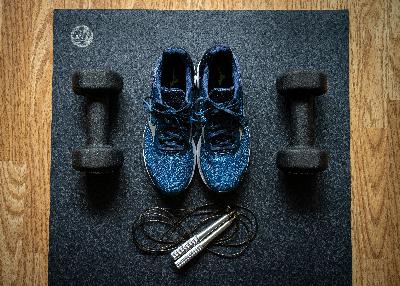
Photo by Robert Bye on Unsplash
Matching Exercise to Learning
Depending on your exercise and study schedule, the order and intensity can be manipulated to work best for your goals.
* Before learning: More intense workouts (e.g. running, heavy weightlifting, HIIT) create the ideal conditions for study. Complete your exercise, then begin learning within about 30-60 minutes, having allowed the body to return to homeostasis. High-intensity training is particularly efficient at boosting neurogenesis (i.e. the creation of new neurons in the hippocampus, the seat of learning and memory).
* During learning: Keep exercise low-intensity and automatic (e.g. walking, light jogging, or familiar yoga flows). These moderate-intensity aerobic activities stimulate neurogenesis while allowing you to focus on podcasts, lectures, or educational videos. The key is that your movements require minimal conscious thought. Easy aerobic exercise excels at building hippocampal volume and boosting memory over time.
* After learning: Moderate-intensity exercise about four hours after the learning session helps consolidate what you’ve learned. New neurons created during this activity have an immediate purpose: strengthening the neural networks you’ve built during your study session.
Understanding Exercise Intensity and Neurogenesis
Both moderate-intensity aerobic exercise and High-Intensity Interval Training (HIIT) effectively stimulate neurogenesis, but through different pathways:
* Moderate aerobic exercise (e.g. brisk walking, swimming, cycling for 20-30 minutes) promotes steady neuron growth and builds long-term memory capacity. It’s sustainable and excellent for consistent brain development.
* HIIT (i.e. short bursts of intense effort followed by brief recovery) is more efficient at rapidly increasing the number of new neurons.
The takeaway: consistency matters more than intensity. Even 10 minutes of regular activity builds new neurons. Current guidelines recommend aiming for at least 150 minutes of moderate activity weekly and incorporate HIIT strategically for maximum brain cell production.
Why This Works
Exercise functions like a gardener tending to your brain. BDNF (i.e. brain-derived neurotrophic factor) is the water and nutrients that allow seeds (i.e. new neurons) to germinate and take root. Neurotransmitters like serotonin, norepinephrine, and dopamine are the sunlight that energizes growth. Without regular watering and sunlight, seeds remain dormant. But with consistent care (i.e. exercise paired with learning) your neural garden flourishes, creating new pathways and strengthening existing connections.
The development happens when both elements are present: exercise provides the biological conditions for growth, while learning gives those new neurons purpose and permanence.
Start Simple
You don’t need an elaborate routine. Keep it simple and doable.
The strategy is straightforward: align your exercise intensity and timing with your learning demands and watch your cognitive capacity expand.
That’s it for today. Catch you next time.
This is a public episode. If you would like to discuss this with other subscribers or get access to bonus episodes, visit stoicstrength.substack.com


















 United States
