


Innovation at the Grid Edge with DOE's Ram Narayanamurthy
Description
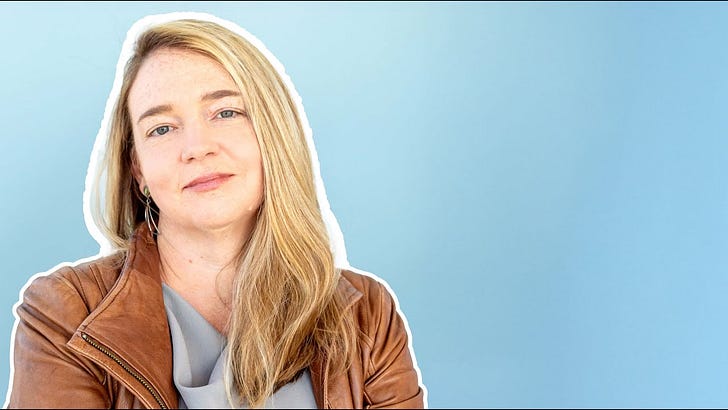
My guest this week is Ram Narayanamurthy, the Deputy Director of the Building Technologies Office at the Department of Energy (DOE) for the last two years. Before joining DOE, he led the buildings program at the Electric Power Research Institute, or EPRI, for a decade. He has 27 patents to his name and has worked extensively with builders, developers, and utilities to scale new technologies that can increase grid reliability, reduce emissions, improve human health, and lower costs.
I spoke to Ram about his work on DOE’s Connected Communities program which funds projects to advance grid-interactive, energy-efficient buildings and communities across the nation. Ram and the Building Technologies Office are doing cutting edge research and deployment to increase demand flexibility, a key component to strengthening the grid. We talked about the role AI plays to optimize demand and shift loads to times of day with an abundance of power and use less at peak times. We talked about the importance of building technologies that improve energy efficiency and demand response, particularly in an environment of rapid load growth.
I enjoyed learning what this important Office within the Department of Energy is up to and how the technologies they’re piloting with utilities around the country could impact Texas in future years.
I hope you enjoy the episode. Timestamps, show notes, and the transcript below. Please don’t forget to like, share, subscribe, and leave a five-star review wherever you get your podcasts.
Timestamps
2:05 - About the Building Technologies Office
3:28 - What does demand flexibility mean in buildings
6:41 - Energy optimization and flexibility as energy efficiency
9:03 - AI
11:55 - The grid edge
15:28 - What are Connected Communities? What is the Connected Communities program?
17:25 - Examples of Connected Communities; results and lessons learned so far
25:27 - Who should orchestrate all these distributed energy resources
28:36 - Importance of distribution planning; examples of successful strategies
32:38 - Replacing resistance heat
36:18 - How do we make sure these technologies and the benefits are actually accessible and affordable to everybody; trickle up vs trickle down strategies for technology access
42:51 - How do we make demand flexibility and grid edge more understandable and desirable to the public
46:29 - Resilience benefits of Connected Communities
Show Notes
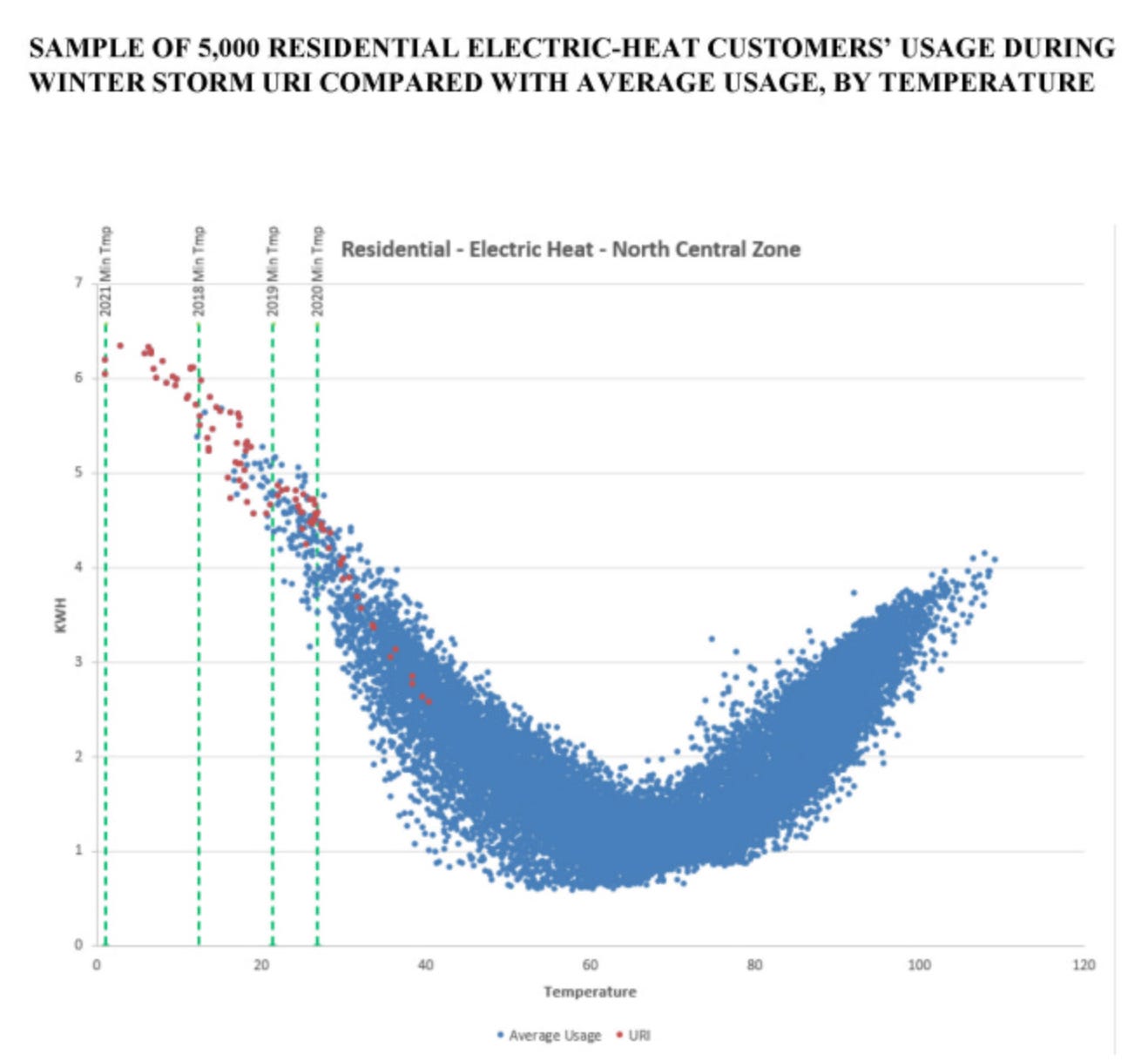
FERC and NERC report on Winter Storm Uri
Information on HOMES and HEARs (or HEEHRA) programs
Seattle City Light Electrification Assessment
Electrification Strategy - City Light
Transcript
Doug Lewin
Ram Narayanamurthy. Welcome to the Energy Capital Podcast.
Ram Narayanamurthy
Thank you, Doug, and it's my honor to be here. Thank you for inviting us over.
Doug Lewin
Yeah. Thanks so much for taking time, Ram. Obviously the Building Technologies Office where you sit, is doing some really phenomenal work. Can we just start with kind of a little bit about BTO and its mission? Obviously DOE is a great big agency. There's lots of different areas of endeavor, but tell us a little about the Building Technologies Office.
Ram Narayanamurthy
So the Building Technologies Office, we are about creating healthy, comfortable, efficient, affordable, resilient, and decarbonized environments for people to live in. We spend 90% of our time in buildings, whether it's for work, whether it's for living, it's our home. We shop in buildings, we learn in buildings. So they're all over us and all around us. Part of the mission of our office is to achieve our long-term energy goals while still making sure that we are providing those healthy and resilient environments for people to live in and work in.
Doug Lewin
Perfect. And looking over the website, you guys kind of break it down into research and development, market stimulation, and codes and standards. And while I don't think you work, and you can correct me in a minute if I'm wrong, you don't work on codes and standards. I do want to make sure the audience understands how important those are. Because we're obviously in an environment, we're on just about every podcast run, we're talking about load growth, right? And having these standards in place, bringing the use of refrigerators and air conditioners and lights down, that makes a big, big difference. But what we want to talk about today is the part of the mission, and I'm reading this little phrase from your website, “enable high performing, energy efficient, and demand flexible residential and commercial buildings.” Can you talk for a minute about what you mean by this demand flexibility?
Ram Narayanamurthy
Perfect, yeah. So at the Building Technologies Office, we just recently released our national blueprint for decarbonizing the building stock by 2050. When we look at our goals to achieve a net zero economy by 2050, buildings contribute about 38% of emissions, overall emissions when you count the energy use, the electricity use in buildings.
So for achieving those goals, we have four main pillars. One is around reducing emissions at the building. We have a second pillar, around energy efficiency, which has been core to both affordability and decarbonization over many years. We are working on demand flexibility and we are working on what's called embodied carbon.
And demand flexibility for us is the place where the buildings are integrally tied into the overall energy system, especially the electricity system, but also to some extent to the gas system. And demand flexibility means that you are now able to move the energy use. Buildings use about 75% of all electricity that's generated. So the capability and the ability to move that energy use to times when you have more clean power or more clean power generation being able to have that flexibility so that even within a building you are able to run your air conditioner while still charging your electric vehicle, while still charging your battery or discharging your battery, making all of those different elements work together so that you are optimizing at the building level, but you're also optimizing at the overall system level and helping the overall energy grid become more cleaner and efficient. That's really what demand flexibility is about. And we have different ways of achieving it. Traditionally demand flexibility on the utility side has been around demand response, but now we are going to a new era where we have not just the traditional on/off switches, but we have much more flexible technologies, whether it's batteries, EVs, smart term stats, building energy management systems that can provide the demand flexibility. It's a concept that is transition.
Doug Lewin
Yeah. And so it's actually, I like to talk to people about this a lot. I've been working in and around energy efficiency for 20 years or so. And we all have to kind of update our priors here because we're rapidly moving into an era. In many ways we're in that era now where energy efficiency actually means using more power at certain times, right? You talked about there's low emission power, that's basically the same as cheaper power, right? So if we can actually get into, you were talking about electric vehicles, charge the vehicles when power prices are low and the power is cleaner and then, stop the charging or even you get into some of these vehicles-to-home, vehicle-to-load, vehicle-to-grid, these kinds of things. But even a more fundamental basic use case would be, and this is where the connection to energy efficiency and demand response come together, right, is with air conditioning. So if you can, particularly with some of the heat pumps, right, they can take a signal. So like you said, the old versions of demand response, direct load control, right. Turn it off and people kind of sweating inside their homes. Now you can actually pre-cool when you have a lot of solar power and then use less during that period when the sun's going down. Are you guys looking at those kinds of things as well?
Ram Narayanamurthy
Absolutely, yeah. And like you mentioned, right, technology has evolved a lot in the last 10 years. We have way more tools than we ever did in our tool belt. So, when we think about what we can do today, you take a smart thermostat, like a Nest or Ecobee, and now you have the capability to remotely change the set points. Of course, you're working with the people who live in the homes to make sure they're still comfortable with what you're doing. Butyou can do things now where you can pre-cool a building much more




 United States
