


Special Episode with the Chairman of the Texas PUC, Thomas Gleeson
Description
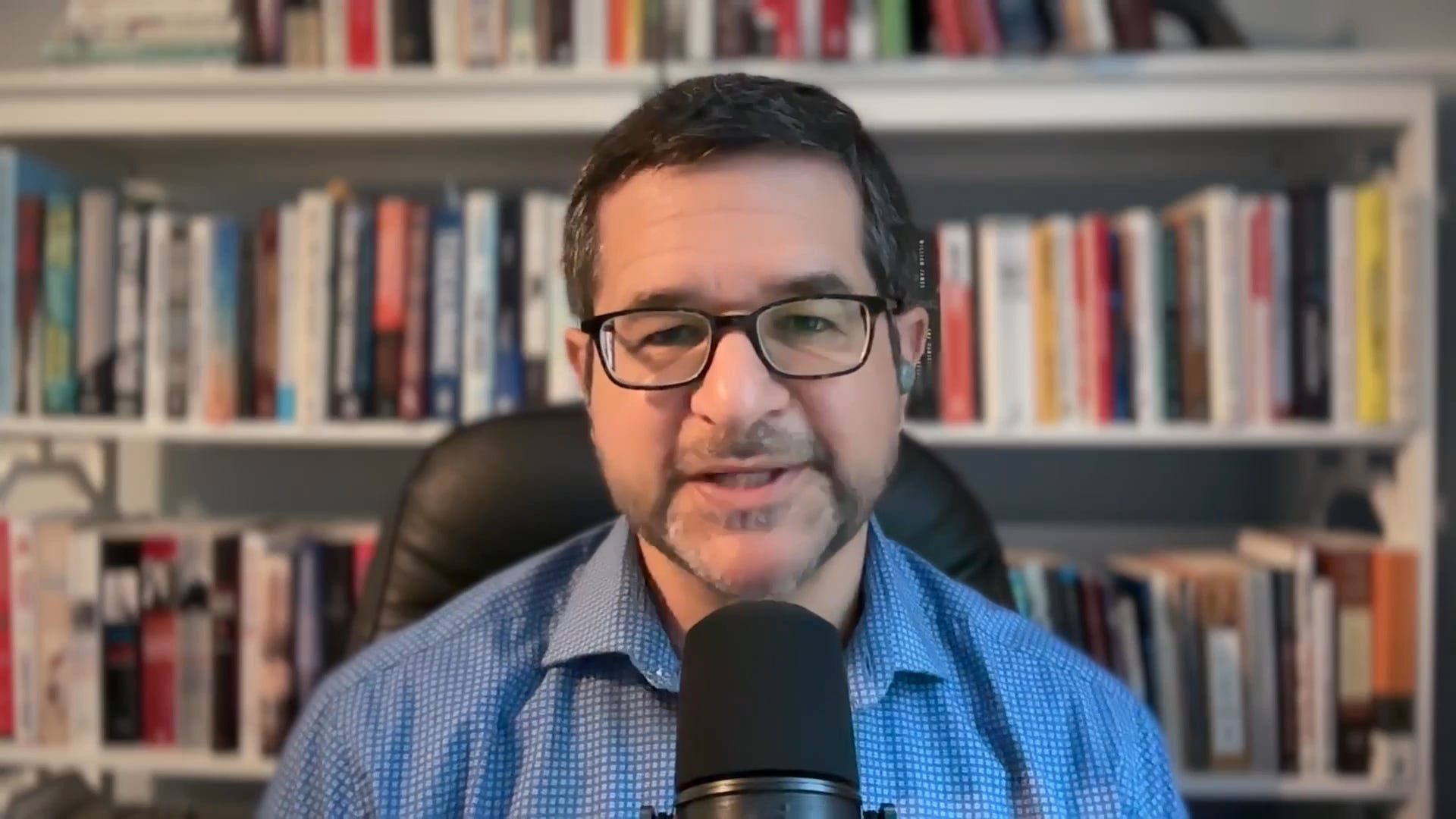
Today's episode is a special one: an interview with Thomas Gleeson, the Chairman of the Public Utility Commission (PUC) of Texas, recorded live on September 20th at the SPEER Industry and Policy Workshop.
The PUC oversees ERCOT and the transmission grid, fully regulates the monopoly transmission distribution utilities, and has power and authority over just about every part of the power grid. Chairman Gleeson was appointed Chairman in January; before that, he worked at the PUC for over 15 years, including as the Executive Director for about four years.
I enjoyed talking with the Chairman, he’s thoughtful, self effacing, and open to new ideas. As you know, I don’t agree with everything the Commission prioritizes or does and I am sometimes critical of their decisions. So I give Chair Gleeson a lot of credit for agreeing to do this. And, as often happens when people talk, it turns out we agree on a whole lot as well.
Chair Gleeson and I spoke about his vision for the grid in 5-10 years, the technologies he’s most excited about, and whether changes are needed in the utility business model. We talked about Winter Storm Uri and what remains to be done to increase reliability and resilience. We also talked about affordability; Gleeson worked on low income assistance programs as a staffer at the PUC a decade ago. Of course, given we were at the SPEER conference, we talked about the importance of demand response and energy efficiency.
We also talked about communications and public engagement. The Chairman is focused on making the PUC more accessible to Texans. In fact, the PUC will be in Houston on October 5 for the first PUC meeting with all the commissioners outside of Austin in over a quarter century.
We also dug into the Texas Energy Fund and I asked the Chair if the PUC plans to allocate the funding, approved by Texas voters last year, to fund microgrids at critical facilities, an issue that’s become more and more pressing after Hurricane Beryl led to deaths at nursing homes that could’ve benefited from the voter approved funds.
This interview was recorded at South-central Partnership for Energy Efficiency as a Resource’s, or SPEER’s, sold-out Industry and Policy Workshop, an annual conference that, if you haven’t been, I highly encourage you to attend next year. You can keep up-to-date about this event, and SPEER’s other work, at their website and on their social media, which we link to in the show notes.
I’m trying to keep as many of these podcasts as possible free. To do that, I need your support. If you’re not yet a paid subscriber to the Texas Energy and Power Newsletter and the Energy Capital Podcast, please become one today!
Timestamps
5:00 - Chair Gleeson’s outlook on the grid for the next 5 to 10 years
7:45 - Technologies Chair Gleeson is most enthusiastic about and emphasis on Texas’ “energy expansion”
9:30 - Extra High Voltage (EHV) transmission, changes in planning with load growth
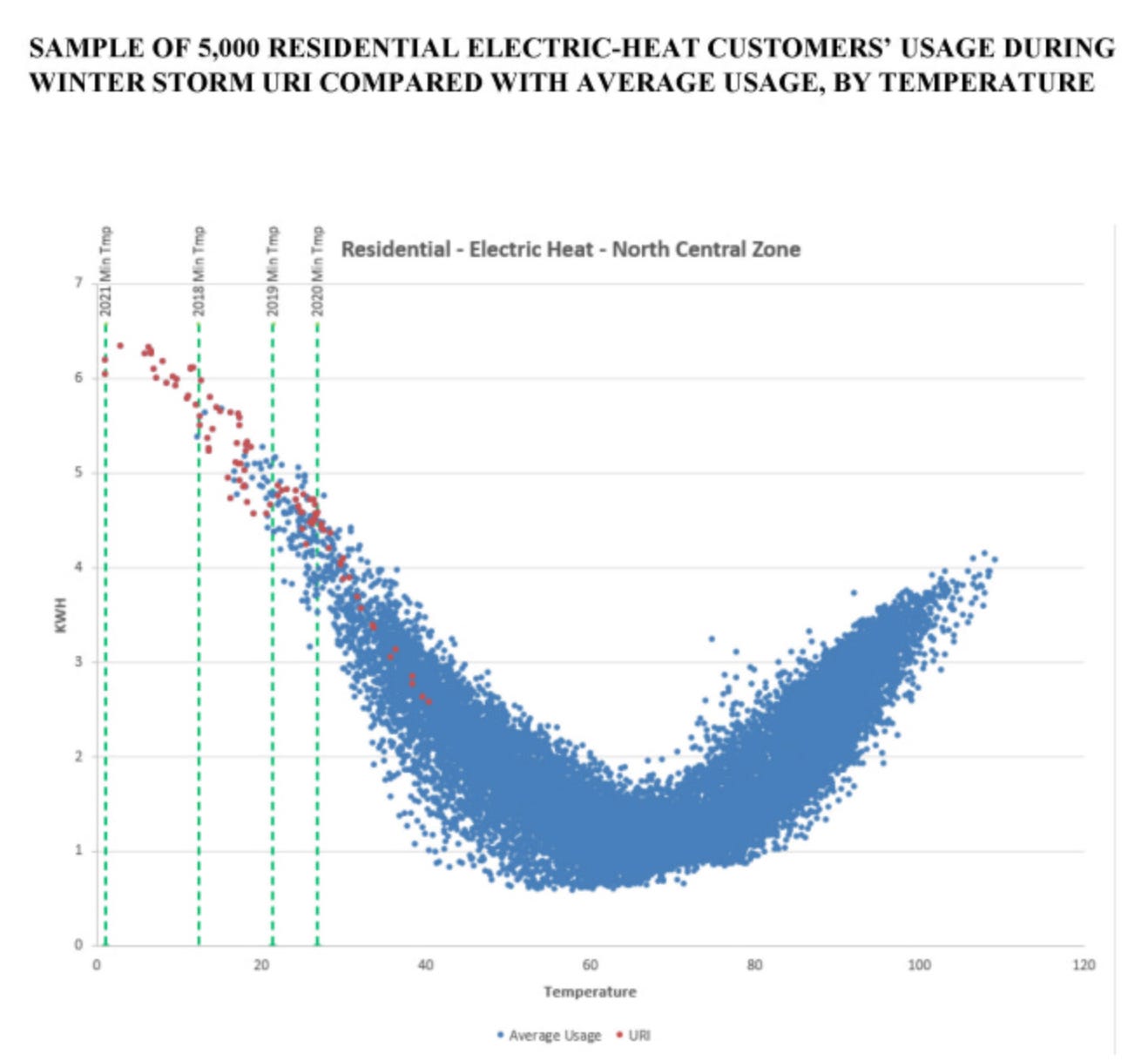
14:00 - Winter Storm Uri: diagnosis of what went wrong; mistakes after 2011 winter storm outages; and the state’s progress for addressing these issues
19:30 - Replacing resistance heat in Texas; heat pumps and energy efficiency
26:35 - Targeting energy efficiency programs for low-income Texans; failure of past bill assistance programs and ways to ensure we don’t repeat those failures
30:45 - Does Texas need to report utility shut-offs?
34:52 - After Hurricane Beryl, does the PUC need to change the way it regulates monopoly utilities?
40:00 - How do you align utility incentives with the financial interests of their customers?
43:45 - Texas Energy Fund and whether the promised 18% will be spent on Backup Power Packages for critical facilities
50:26 - Upcoming public hearing in Houston and efforts to make the PUC more publicly accessible
54:31 - Audience question: How to get ongoing and expected load growth under control, especially related to crypto mining and data centers
57:37 - Audience question: Integrated resource planning for non-ERCOT utilities
1:05:58 - Audience question: Interconnecting ERCOT with other systems
Show Notes
SPEER (South-central Partnership for Energy Efficiency as a Resource) website
SPEER Twitter, Facebook, and LinkedIn
Office of Public of Engagement at the Texas Public Utility Commission
His 93-year-old mom died from heat after Beryl. Her death was preventable. - Houston Chronicle
The February 2021 Cold Weather Outages in Texas and the South Central United States – FERC, NERC and Regional Entity Staff Report
This new organization wants to remake PUCs for the energy transition - Charles Hua on the Volts Podcast
Texas’ Energy Expansion - Texas 2036
Transcript
Doug Lewin
He's worked at the commission for 15 years, really understands the commission, understands the ins and outs of policy, and really excited to dig into all of that today. Anything else you want to say by way of introduction Chairman?
Chair Gleeson
No, I'm excited to be here. You know, as I was saying to you, we don't get to interact too often. So I'm excited to kind of have a conversation, get your thoughts on some of this. I will say I initially, when I came up the stairs, ended up at the beer distributors. And so…
Doug Lewin
You almost stayed over there?
Chair Gleeson
Almost. And I may mosey on back over there after this just to see if they're sampling anything or if I can join that association as well.
Doug Lewin
An energy efficiency crowd or beer distributors? It's a tough call. Before we jump in, I also just want to thank SPEER. We're obviously, for those that are listening on the podcast, we are recording this live at the SPEER Industry Conference. If you were not here live with us, you should make sure you're here next year. It's been, it was great yesterday. It's going to be great today. And, of course, thanks, Chairman Gleeson, for doing this. I think it's really important for you to be here, for folks to hear from you, and for you to hear from them in this really important industry, sort of sub-industry within the energy industry focused on energy efficiency.
So I just want to start with kind of a general question. And if you could kind of describe for us, I do this sometimes on the podcast. I think it's kind of a good way to jump into this. If you think of the grid in like five to ten years. And I'm hoping you could kind of describe this like you've got energy people in the room. There's energy people listening to the podcast, but also listening to the podcast are some folks that just, because of Winter Storm Uri or Hurricane Beryl or just rising costs or climate change or whatever it is that kind of brings them to that. There's folks that are not experts as well. So both in kind of, f you can kind of a technical way, but also to a consumer that's not super into industry jargon and all of that. What is your vision for what the grid will look like in five to ten years?
Chair Gleeson
Yeah. So, you know, one of the things I speak about often and I try to tell people in every speaking engagement I have is we hear often about an energy transition, which implies we are somewhere and we're transitioning from where we are to where we're going. And that may work in other parts of the country or in other parts of the globe. But in Texas, with the load growth that we see, I don't see it as a transition at this point. I see it as an expansion. And so we don't have the luxury of deciding we only want renewables or we only want gas fire generation or nuclear is going to be the end all, be the panacea that fixes everything. I don't think we have that luxury based on the load that I see coming to this state, which is a good thing, right? The governor, the elected leadership of the state want Texas to remain an economic engine for the country. So with that comes a lot of people and a lot of businesses. And so I don't th







 United States
