


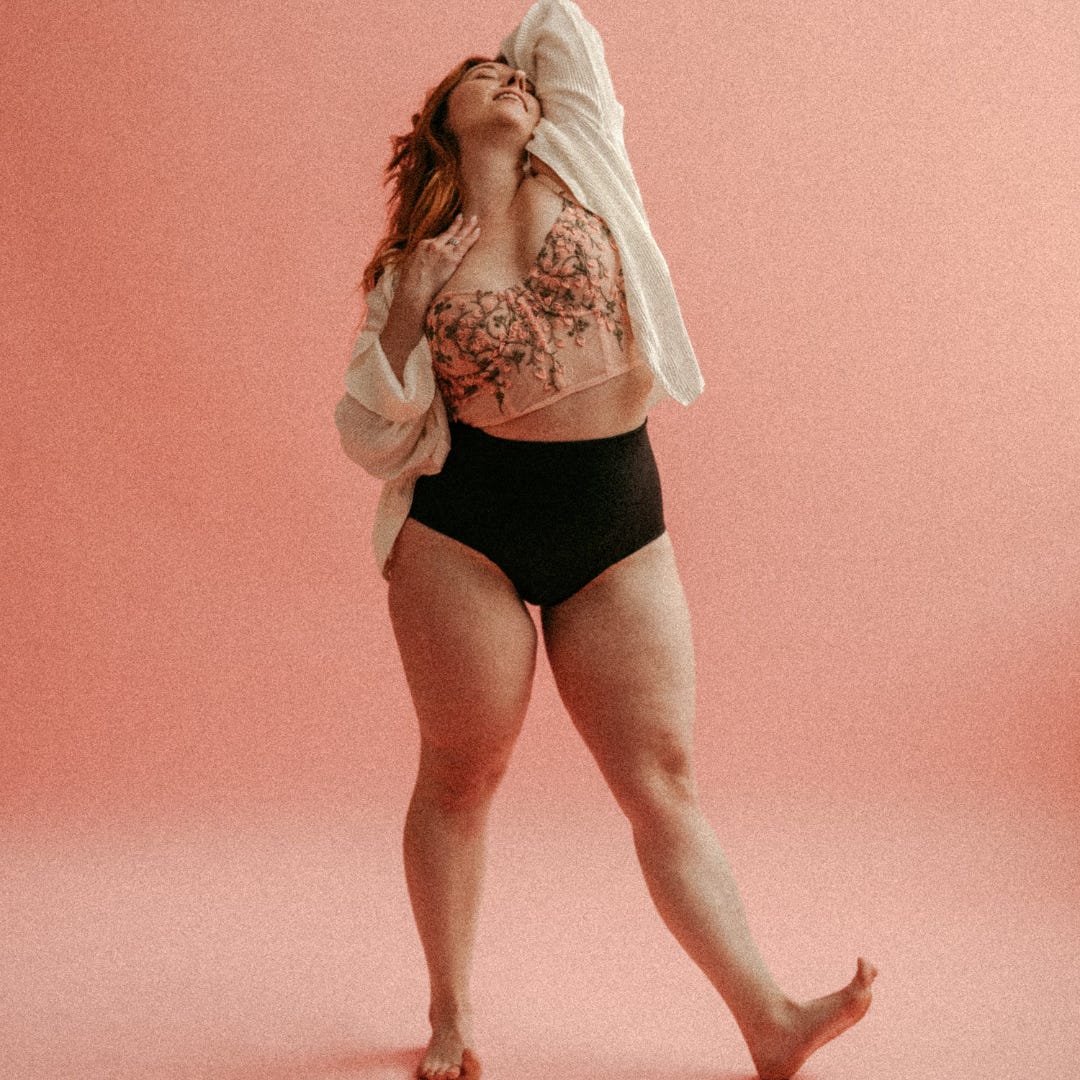
Continued Conversations with Ashley Justice
Description
Everyone please welcome my college friend and fellow creative Ashley Justice to A Broadway Body: Continued Conversations! Ashley and I went to Wichita State University together circa 2010-2014-ish, and this girl knows the body!!! She was in the dance department, and I was in the musical theatre department. Ashley is an insanely talented dancer and choreographer, and I had the pleasure of taking many a dance class alongside her.
Ashley is one of the first people who opened up to me about her experience in our college program when I was crowdfunding for “A Broadway Body” back in 2021. She shared what she’d gone through during our time in college, and I opened up about my experiences and those of friends of mine, and I knew I had to create the film to expose what goes on behind the closed doors of collegiate dance, theatre, and musical theatre programs.
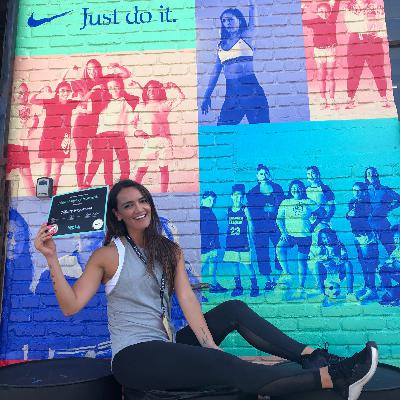
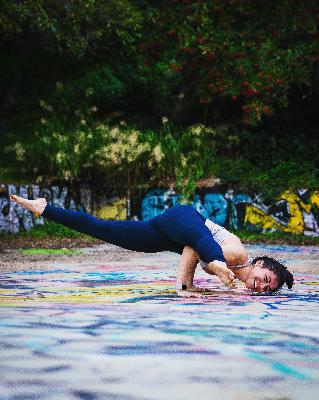
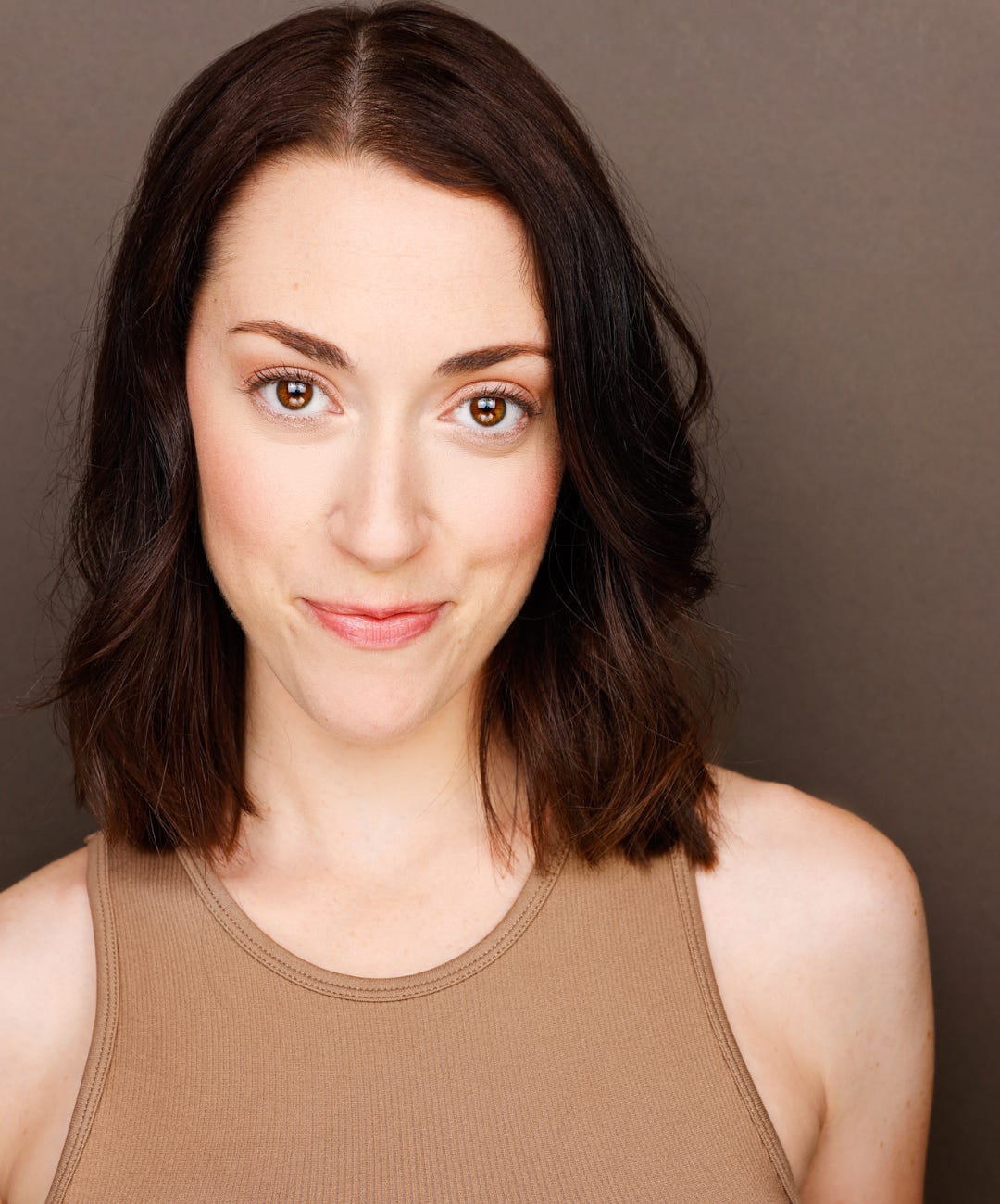
Ashley is a dancer, choreographer, SLT instructor, and barre instructor in New York City. She’s found her own community of advocates for her work in NYC, but that hasn’t come without its share of emotional labor. Ashley’s lens on having to carry the burden of being a dancer in a societally unconventional “dancer body” is extremely important and nuanced in a culture that lumps certain body types with certain professions. I hope you walk away changed after hearing Ashley’s story!
“ I've been told more than once that I have like a Black girl body, right? And that is racist. Not that it's racist to me, right. It's racist to Black people and to Black women, and also depending on who it's coming from it’s an insult, right? And it doesn't insult me. I don't feel any insult being compared to Black women at all. But if it's coming from a white person, I know that that's an insult, right? It's a microaggression, and it's not a microaggression — I mean, I guess it's a microaggression to me, but it's a microaggression of putting Black people beneath you and then putting me in that category with Black people that are underneath you. So that's a whole other layer that I've talked about with friends and with people, and it's why, in dance, the people that've encouraged me the most are usually people of color. White people in dance are genuinely not my advocates. I don't try to have them be my advocates, and I don't seek out people of color for that. The people that have become closer, given me opportunities, or taken the time to ask me what I want have always been people of color and never white people.“
- Ashley Justice
Ashley Justice: I turned 27 in February of 2020. I feel like I was robbed of my late twenties where I was feeling finely grounded and then the world said, “Ha ha ha!”
Megan Gill: “JK , LOL.” We are reclaiming those years.
Ashley Justice: Yeah. Oh, but speaking of that, I feel like that was such an interesting time mentally. I mean, I probably told you that I had a really severe ED pretty much my whole life. But that was such an interesting time where I knew it was flaring up, or that the thoughts or the anxiety around it was flaring up, because as soon as I stopped being active in my New York life, I was like, “Oh my God, I'm not gonna be able to do anything. Everything's gonna change, da, da, da.” And I was like, “Okay.” I remember having to tell myself, “You're going to gain weight and it's fine.”
That did happen, but I remember having to coach myself through it because, “There's just no way you can be as physically active as you were.” I didn't have access to a real gym, so I couldn't really lift weights or anything. And I also didn't want to go into hyper –
Megan Gill: – force yourself to do something that you genuinely don't want to do.
Ashley Justice: And I remember that was a really big moment because I was like, “Oh shit.
Like I really have to sit with this.”
Megan Gill: And do the hard – to me, like the easy out would be that we're gonna just fall back into old patterns, we're gonna just do what we've always known instead of approaching the challenging path of – wow, how aware of you to be able to be holding your own hand like, “It's gonna be okay.”
Ashley Justice: Yeah, because I was like, I could hyper control everything I eat and really restrict because that would make the most sense to go from being really active and not having to think about it as much to only thinking about what I'm consuming, but that's the big issue that I had anyway, right? So I was like, “Oh crap.”
And I wasn't in a healthy enough space to be like, “Well, some of that's valid.” If you're removed from ED brain, a normal thing to do would be to modify your intake with what you're doing in a day.
Megan Gill: Yeah, from a “fitness” perspective, “nutrition” perspective.
Ashley Justice: Yeah, your activity decreases, so your intake of calories should decrease. But it was such a stark change. It literally went from a full life –
Megan Gill: Like night and day, and not to mention the state of the world, which then, at least for me in my experience, put my mental health at like an – it really tested me mentally.
Ashley Justice: Same.
Megan Gill: And with anxiety and everything.
Ashley Justice: And a big thing that triggers my ED is control, right? And the state of the world, we couldn't control it. So the pattern, or the “easy” thing for me to do would've been to go right back into that. That's how I felt in control, just everything I eat, make sure that – and I was like, “I'm releasing that because I genuinely can't control any of this,” and the idea of trying to manage this in this time of uncertainty was like so much. So I had to release it, and it's been a thing because my body really did change from that point.
So that's something that I'm still managing being like, “Okay, it was a big change that happened over those couple years.” That was a challenge for sure.
Because you go from, I had just turned 27, I had just moved to New York. I was in the depths of having all these dreams and really trying to navigate that. And then it was all kind of ripped, and it was a big challenge for my body image. It was hard.
And then coming back to all of it, post that, I mean, I feel like no one talks about we just started doing capitalism again like it was a normal thing to do.
Megan Gill: Wait, what? Like, “What is all of this again? It's been a year,” or however long. I don't know how long – lockdown lasted for quite some time. But I feel like the ease back into like, what is this normalcy – when are gym's opening? When are we able to go outside again and be back in public?
Ashley Justice: Well, and it was like I was working in a restaurant and doing group fitness. Everything was just – all of my normalcy was ripped away.
Megan Gill: How long, can I ask, were you away from that pre-COVID life? How long would lockdown have lasted for you?
Ashley Justice: I think what happened was March happened, everything shut down. That was the middle of March. I lasted about three weeks in this apartment before I went to New Orleans to go home with my family. I was like, “I can't be in this apartment anymore.”
And so, I was there until I think maybe May or June. So a few months – March, April, May, June, so a few months. Because then it became summer and we started doing these outdoor classes and things were like a little bit more. And then I think August or so hit and I went back to New Orleans.
Megan Gill: Yeah, which also disrupts any semblance of normalcy that we're trying to create or like a daily flow.
Ashley Justice: Yeah, routine or something to do. And being able to teach was far and in between. They had kind of reduced us. They had a few people teaching online, like Zoom classes. But I was a brand new instructor. I think I had gotten certified in February of 2020. And so, everything that I was working towards had been very much ripped away from me. And I was just trying to hold onto it a little. I could have easily just been like, “Oh, fuck, whatever,” but I didn't wanna do that because I had hindsight. I was like, “No, when it reopens, I wanna be able to come back to it. I worked too hard to have it in New York to not do it.”
So I really had tried to dig my feet in, but, you know, it was very tumultuous for a time. My niece's mom also passed at that point though. And so, it was a weird time. So I remember that being August and me being like, “I think I just have to –,” and like the classes weren't really – it was turning into fall. Outdoors, the thing that was allowing us to do it was coming to an end. So all of that was kind of just like in the air. So I was like, “I'm just gonna go home until whenever.”
And I think I was home for – I was obviously paying my rent and my stuff was here, but I was laid off from my restaurant. I was laid off from my fitness job, so neither one was operating. And then eventually Landry’s sold our restaurant, so it was like, okay, that's not reopening.
So I stayed. I stayed until Barre3 was like, “Hey, what's the –,” I mean, I got my first vaccine in New Orleans. I was there for like a while, which was nice because I was with my family and my sister lives in Houston, so I was going back and forth to Houston some of the times. And yeah, my niece was born in February of 2020. So it was my sister's first baby, so there was a lot going on that was kind of nice to be home for a little bit. So I just spent a lot of time with my best friend and my family for a while. And that was nice because I w










 United States
