


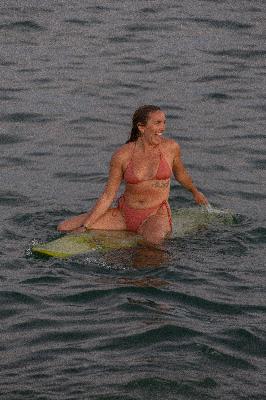
Continued Conversations with Sarah Plenge
Description
Trigger Warning: This conversation contains discussion of eating disorders and nutrition post-recovery. Please take care of yourselves as you listen and avoid if these topics might be triggering for you.
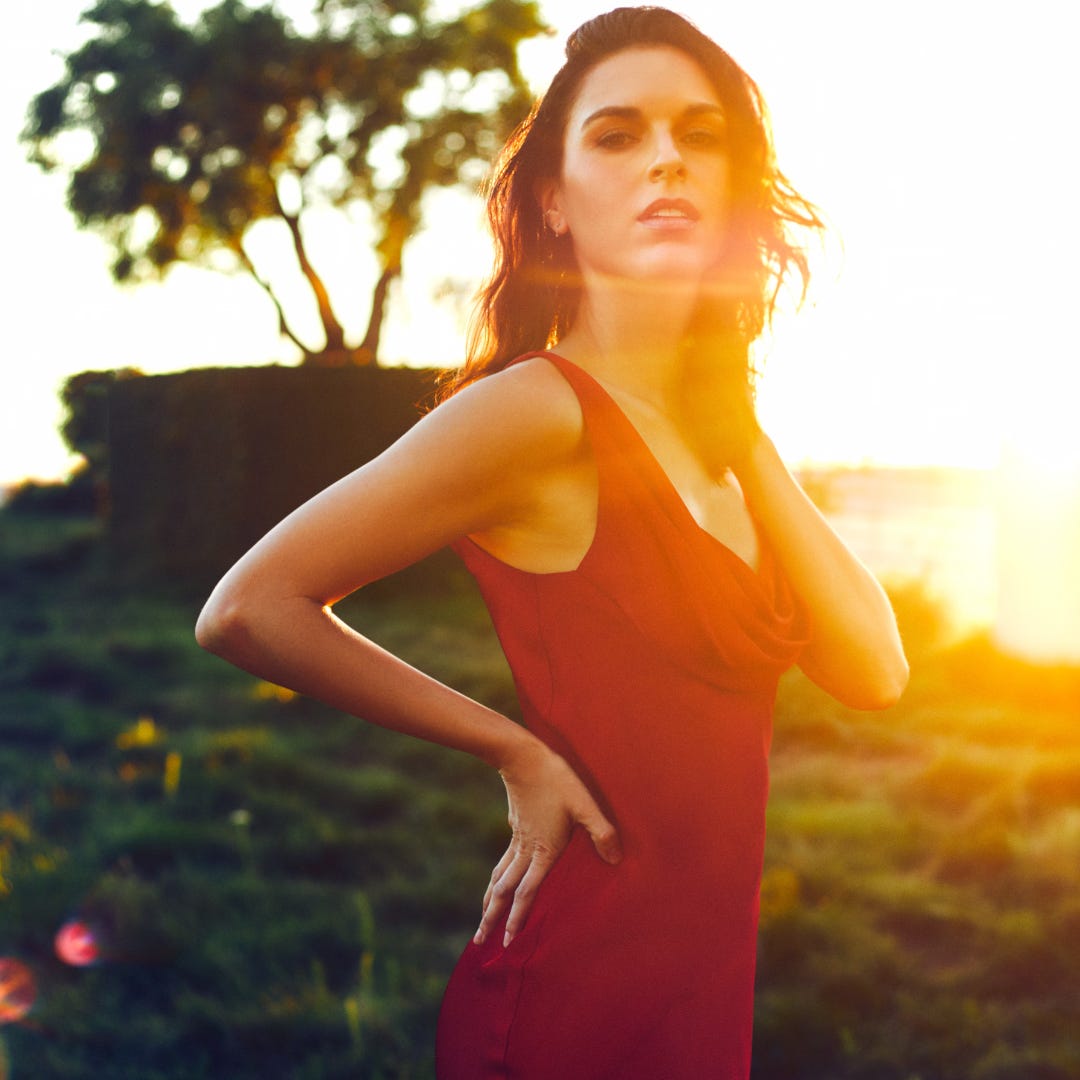
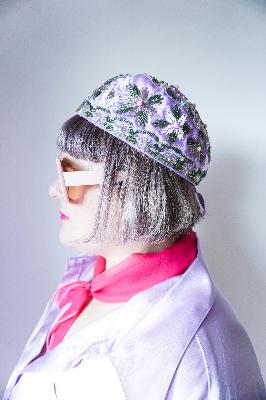
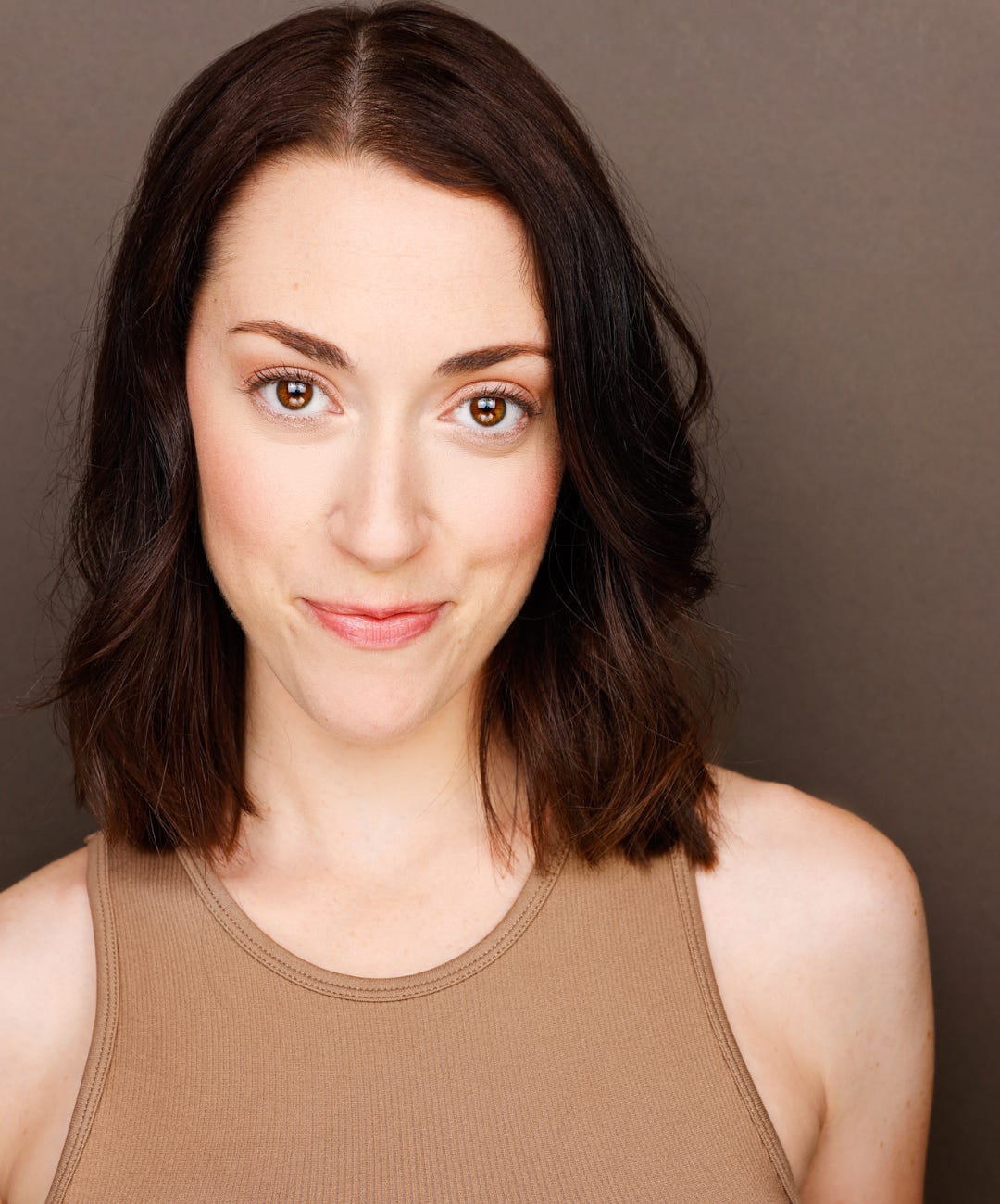
Everyone please welcome my friend and fellow Substack writer Sarah Plenge to A Broadway Body: Continued Conversations! Sarah and I met while I was thick in the depths of a serving job, and she brought a little beam of light to my life every Tuesday night. We have since kept in touch, and on a recent strand walk with Sarah, I knew I had to have a body image conversation with her.
In our conversation, Sarah speaks on how much clarity she has in her life now that she’s out of the weeds of her eating disorder. She shares about so much deeply impactful insight into how her experience has shaped how she now lives her life and how she creates her art and how healing has brought her closer to all of the wonderful things she wants for her life. Listen for her take on how our bodies are our best friends and how we need to shape our culture to treat others with kindness and respect.
It was a true honor to have Sarah as part of this series. She’s so wise when it comes to the topics of body image and nature. Sarah drops pure poetic gold in this conversation, including but certainly not limited to this quote that’s stuck with me since we spoke: “We are flowers; we are not meant to bloom year round.“ I can’t wait for you to listen to our conversation and soak up all of the goodness Sarah has to share!
“One really big shift I had in recovery was starting to see my body as the best friend I'll ever have and the only one that I'll have for the entirety of my life, and she is the only one that knows everything. Everything! What an incredible friend. And she's held me through all of it - the excruciating pain and the boundless joy. I vow to take care of her just as much as she takes care of me.”
- Sarah Plenge
Sarah Plenge: I was trying to get my thoughts in order before we sat down to talk, and one thing I was reflecting on in kind of my own body image journey and even how it's affected my professional life and obviously my personal life, but it's been really interesting for me. I think the greatest lesson that my eating disorder has gifted me has been the power of choice, and we really get to choose what we subscribe to in life and especially the media that we consume and the messages that we're telling our self. And I will say probably the biggest shift that happened internally on my recovery and that continues to happen in so many aspects of healing in my life is my self-talk and how I choose to talk to myself and others and, especially, I mean around body stuff and around food, and a lot of it feel can feel like automatic and overwhelming at times, but I really focus on trying to be willing to receive the pause because there's always a pause between thoughts. And before I go down this rabbit hole of like freaking out because a certain pair of jeans doesn't fit, what can I do to be like, “Hey, actually, I don't want to wear this outfit because it's really uncomfortable,” and that's fine. And some days the jeans fit, and sometimes they don't, and that's fine and super normal. And It really sucks that our education system does not involve an aspect of talking about how our bodies fluctuate and change and delves into hormones. And I mean, that's probably a function of a lot of research not getting funded, and we're like just learning so much about women's bodies as women are allowed more and more into STEM spaces, and that's a whole different conversation, so I'll stop myself there.
Megan Gill: Yeah, no, but also an important thing to point out. It's very true. I think that so much of it is the lack of our education, even as young women. I'm so grateful that there is more research being done about women and our bodies. And even just the simple fact that we fluctuate so much over the course of a 30-day cycle, body-wise, is something that I didn't realize until recently. Like, everyone's talking about your luteal phase and your follicular phase, and I'm learning like, “Oh yeah, duh, of course this makes sense,” and of course our bodies and our energy levels and our minds are going to be different over the course of our cycle. And I do think it's important to point out.
Sarah Plenge: And I think a really big piece of it that I am learning right now is that all of the seasons are okay and feelings are perfectly safe. They show up and they pass through, and it's just all water in the creek and it all flows on at some point. And I think as women especially go through these seasonal periods, within our cycles especially, it's kind of cool that every month we are offered an invitation to go in and explore whatever's in there. And like I know that my diet really affects how my cycles work, and the more I've gotten in touch with that, the more I've actually been open to eating to feel good and not to look a certain way, and how can I fuel myself to move in the ways that I want to and not just move because I want this set of muscles to look good or I want this outfit to look good or I want this person to pay attention to me. It's crazy all these things that like go through our heads all the time!
Megan Gill: Oh, yes! And all of these things I think we, at least in my experience, did not speak about to anyone until now. And it's just It's sad that we, for so long, I think were struggling on our own in those ways, trapped in our own minds with all of these thoughts.
Sarah Plenge: Oh, so much shame.
Megan Gill: So much shame. And just looking in the mirror and even trying to get ready one day, right, this morning, it comes down to the self-talk. It’s like I'm not going to let myself go there. Doing the healing to get to a point where you're like, “Hey, I'm aware that I'm, I'm having these thoughts. And I'm gonna honor the thoughts,” because they're gonna pop up. Like you said, it's normal. We get to revisit it every month, you know,
Sarah Plenge: Hey buddy!
Megan Gill: Before I kind of went on this deep dive of my own healing, I used to be like, why is it that like two weeks out of my cycle I feel really good about myself, and I'm vibing, I like feel good in my body, I like the way I look, I have a lot of energy. And then the other two weeks I'm like, oh, I don't feel good in my body, I don't like the way I look, nothing fits, nothing feels good. Like, oh, hmm, now it makes sense to me. And also just honoring those phases and honoring the thoughts that come up and having enough awareness, that's what I was getting to.
Sarah Plenge: No, I understand. But it's also learning can I love the question, can I love the uncertainty, can I love the place that feels weird and gushy and unhealed and not fit, for five minutes? It's fine, you know? I don't know, listening to you talk just now brought up a couple things for me where I think so much of an eating disorder is wanting to shrink, right? And it's wanting to fit into a mold that we perceive that is in front of us. I'm speaking about my experience and also experiences that I've connected with with others. And I think, at least for me, it was so much about this desire to be loved. And I was like, “If I can look a certain way, then people are going to like me, and I'm not going to have to deal with my stuff.” And that doesn't work for a very long time. We're super seasonal creatures. We're not meant to look a certain way all the time, and so much of my healing has been around learning to accept myself as I am and knowing that I am enough just as I am right now in this moment and that is worth everything, and I don't want to waste any more of my precious, sweet time on this planet trying to be someone that I'm not. It doesn't work, and it never has for me, and whenever I stray off the path, my body has a really funny habit of reminding me, “Hey, man, go enjoy what's right in front of you.”
I'm having that experience right now, where I have had two really random injuries this month. And I just moved to a place that's super beautiful, and I was intending on exploring all this nature. And I've actually been brought back into myself in being like, actually, I don't have to move through nature really intensely in order to enjoy it. I actually get to go sit and be still with this place and appreciate it for what it is. And how does the sun move through the trees and what can that teach me? And how can I go be in nature in this body and still feel beautiful? Because that's really what we want at the end of the day. It's like we all want to know that we're worthy and loved and capable of connection and just to be ourselves. That’s so much of what it's about, and it is really interesting that I think a lot of – I mean everyone of every gender might struggle with an eating disorder, but I'm just speaking from the experience as a woman, and so many of the women I know have, especially in LA and growing up here, so many of us have gone through just like weird stuff with food, even if it wasn't just with an eating disorder. How many, how many of the women I know have tried to be smaller? And how many of us have used our food as a method of control? And how many of us have demonized our emotions? I sure did. I've used it since I was a little kid, emotional eating. I didn't know any other coping skills. I was like, “The ice cream makes my brain feel awesome.”
Megan Gill: Same, same! So I'm gonna eat a whole friggin half-gallon of it, quarter-gallon, something like that, yeah!
Sarah Plenge: And it was delicious, and I really wish it had been like, actually, that was super okay to do. And I





 United States
